

By Mosa Cibi
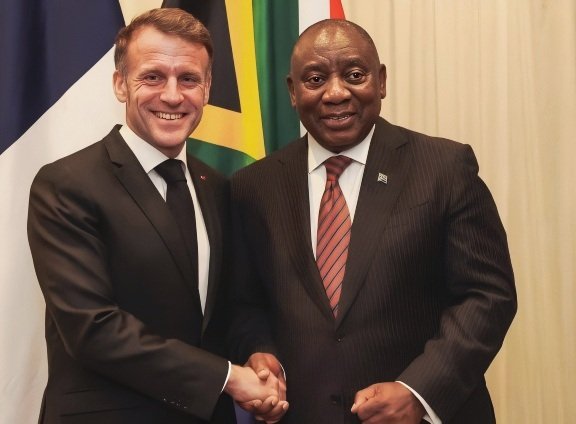
Diplomatic tensions have reached a breaking point as France withdraws South Africa’s G7 invitation under reported US pressure, straining long-standing ties between Pretoria and Paris.
South Africa’s reported exclusion from the upcoming G7 summit in France has ignited strong reactions at home, with growing calls for a firm and strategic response. What may appear as a diplomatic reshuffle is being framed by critics as a direct affront to the country’s sovereignty—particularly amid already fragile ties with the United States.
The gravity of this shift was highlighted today by Le Monde, which reported that South Africa was officially disinvited from the summit after intense pressure from Washington.
The fallout comes against a backdrop of worsening geopolitical strain, detailed in our analysis of South Africa’s evolving role in global diplomacy. For context on shifting alliances and global health diplomacy, see our earlier report on vaccine cooperation and G7 commitments.
The mining leverage: a long overdue audit
For decades, French multinationals have maintained a strong footprint in South Africa’s mining sector. Companies such as and continue to extract critical minerals that support European industrial stability.
Critics argue that if South Africa is no longer considered a strategic partner at the G7 table, then French corporations should not continue operating under favourable conditions.
A proposed response includes a comprehensive review of all mineral rights held by French entities—prioritising national development goals over foreign commercial interests.
This approach aligns with broader debates around sovereignty and economic leverage, particularly as tensions escalate in US–South Africa relations.
Land and property: the reciprocity principle
Beyond mining, attention is also turning to land ownership. There are growing calls for the government to explore legal pathways for the expropriation—or at least reassessment—of French-owned property within South Africa.
The argument centres on reciprocity: if global powers are willing to isolate South Africa diplomatically, they should not expect uninterrupted economic and legal protections within its borders.
This debate echoes ongoing international tensions, including disputes linked to Trump-era sanctions and policy clashes.
Ending the ‘open door’: visa restrictions under review
Another proposed lever is travel policy. Currently, French nationals enjoy relatively seamless entry into South Africa. However, some analysts argue this privilege should be reconsidered.
Suggested measures include:
- Mandatory pre-entry vetting processes for all French passport holders.
- Increased visa fees under a strict “reciprocity framework.”
- Stricter documentation requirements mirroring the rigorous Schengen standards South Africans face.
Such moves would signal a shift away from what critics describe as an “open door” approach to nations perceived as undermining South Africa’s global standing.
Securing sovereignty amid global pressure
Analysts warn that diplomatic isolation can create space for internal instability, particularly where external narratives intersect with domestic political movements.
By taking a firmer stance, Pretoria could send a clear message—not only internationally but also locally—that South Africa remains a sovereign state capable of defending its interests. This comes as tensions between President Cyril Ramaphosa and the Trump administration continue to simmer, specifically regarding South Africa’s stance on international justice.
Conclusion: no more business as usual
South Africa has long been a “G7 Plus” participant—invited to contribute to global discussions due to its strategic importance in Africa and the Global South.
If that role is now being reconsidered under pressure from and its allies, critics argue that the response must go beyond diplomacy.
Economic leverage, land policy, and border control are emerging as key tools in redefining South Africa’s position on the global stage.
Background: why South Africa was invited to the G7
The G7—comprising major industrialised nations—often extends invitations to emerging economies to broaden its global perspective.
South Africa’s inclusion in previous summits reflects its influence in African markets, its leadership within BRICS, and its role in global development initiatives.
Under France’s 2026 presidency, the bloc initially prioritized sustainable development; however, the decision to sideline Pretoria underscores how rapidly shifting political pressure can redefine global cooperation.