

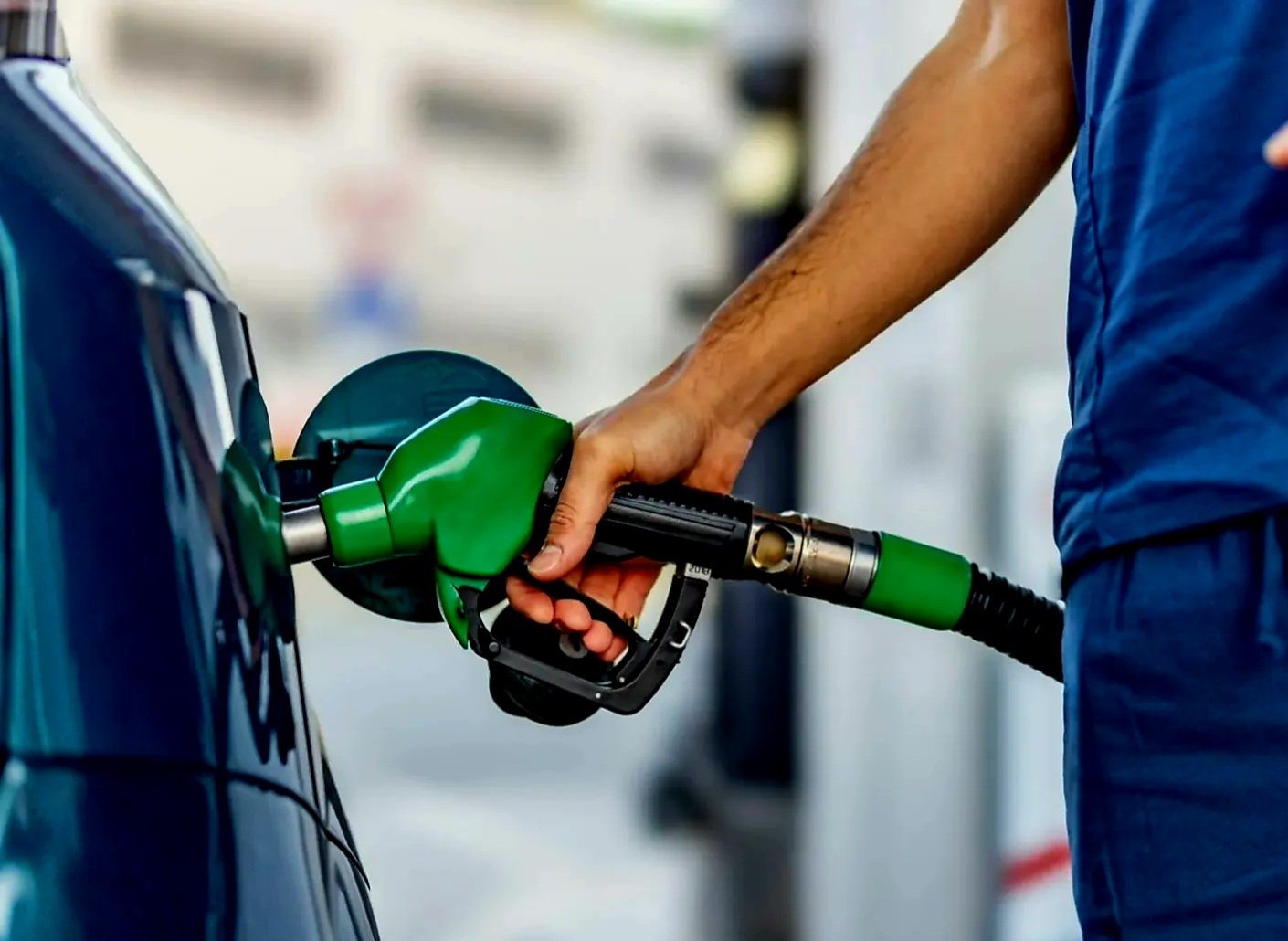
South African motorists will get some relief from the record fuel price increases projected for April. Finance Minister Enoch Godongwana announced that the general fuel levy will be temporarily reduced by R3 per litre for both petrol and diesel.
Speaking at the South Africa Investment Conference in Johannesburg on Tuesday, Godongwana said:
“I will temporarily be lowering the fuel levy for this month of April by R3.00, and then I am still discussing what we can do for the next two months.”
The announcement comes as South Africa braces for the long Easter weekend, a period when many households are traveling and hosting family gatherings — traditionally a time of heightened transport and entertainment costs.
“This is a prudent decision,” said Michael Grobler, a fixed-income strategist at Ashburton Fund Managers Ltd.
“I think it will blunt the inflation impact and help preserve GDP growth,” he said, while also tempering expectations of further interest rate hikes.
Context: historic price swings
The April relief follows a March 2026 fuel price increase that highlighted the volatility South African consumers face. Diesel rose by 65 cents per litre and petrol by 25 cents, a warning of the sharp rises to come.
South Africa’s fuel prices are directly linked to global benchmarks quoted in US dollars at refined petroleum export-oriented refining centres in the Mediterranean, the Arab Gulf, and Singapore (DMRE fuel pricing framework). The recent conflict in the Middle East, which began with US and Israeli attacks on Iran, has sent crude oil above US$100 a barrel — the largest supply disruption in decades.
Earlier projections in our April fuel shock report suggested petrol could spike by almost R6 per litre and diesel by more than R10. With the R3 per litre levy cut, these would be reduced to roughly R3 for petrol and R7 for diesel, though households are still facing historically high prices.
Government and ANC response
In a joint media statement, Ministers Godongwana and Gwede Mantashe said:
“The escalation of conflict in the Middle East has materially increased risks to global energy markets, placing significant upward pressure on domestic fuel prices. Consultations have been held between the National Treasury and the Department of Mineral and Petroleum Resources to explore measures to provide short-term relief to consumers, while maintaining a stable and sustainable fuel supply system.”
The statement detailed a two-phase approach:
- Phase 1: Temporary reduction in general fuel levies from 1 April to 5 May 2026, lowering petrol from R4.10 to R1.10 per litre and diesel from R3.93 to R0.93.
- Phase 2: A broader package of measures to support households and key sectors, to be announced in due course.
Minister Fikile Mbalula welcomed the announcement:
“We welcome the ANC-led government’s intervention regarding rising fuel costs because of the war in the Middle East. By cutting the fuel levy by R3, it will buffer citizens from rising fuel and food prices. This is what a government that cares and is responsive to the needs of the people does. We welcome this swift response.”
Opposition welcomes relief
The Democratic Alliance also praised the decision. Dr Mark Burke, DA finance spokesperson, said:
“The DA proposed a R3.17 reduction with a funded plan, and the Minister came within close enough striking distance with his announcement today. We understand that for many South Africans, the over R7 increase in diesel and R2 increase in petrol prices will seriously damage budgets and affect business decisions. This levy cut provides an urgent buffer.”
Burke also emphasized fiscal responsibility:
“The only viable route to funding this relief is to make spending more efficient. The National Treasury must refuse to grant permission to broken state entities such as the Compensation Fund and SETAs to keep their huge annual surpluses. This discipline must be extended across entities.”
What this means for consumers
Data from South Africa’s Central Energy Fund (CEF) indicates that retail prices would have surged dramatically without the relief. Consumers can track daily fuel price changes here.
Even with the temporary R3 relief, April marks one of the most turbulent periods for South African motorists in recent history. Real-time monitoring and careful budgeting remain crucial as households face higher transport, food, and electricity costs — particularly during the Easter holiday period.
For historical context on budget forecasts and inflation, see the 2026 Budget Speech.