

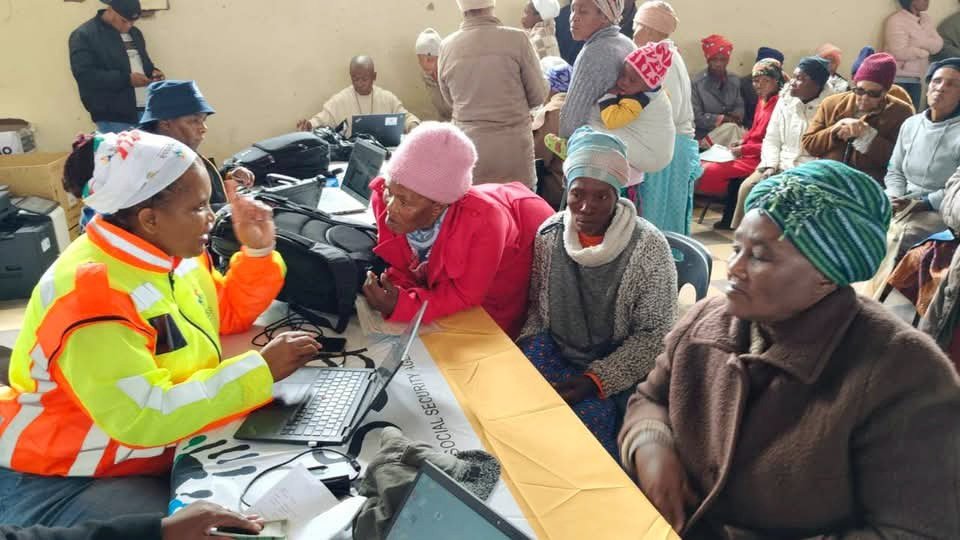
As SASSA January 2026 payment dates roll out, growing concern among beneficiaries has spilled onto social media, with many reporting sudden grant stoppages or SMS notices demanding urgent verification — often linked to avoidable Child Support and Older Persons’ Grant errors that frequently delay payments, as well as avoidable SRD grant mistakes that often lead to payment delays.
So why are some SASSA grants being stopped before and amid the just launched January 2026 payment cycle?
The South African Social Security Agency (SASSA) has confirmed that this is the result of intensified verification checks now being enforced nationwide, including a compulsory verification step now required before any payment is made. The process targets undeclared income, outdated beneficiary records, and identity risks, as part of a Treasury-mandated drive to protect the grant system and prevent fraud. This move is expected to save SASSA hundreds of millions of rands annually.
January 2026 SASSA Payment Dates Confirmed
Despite the reviews, SASSA has confirmed that the January 2026 payment cycle has begun as scheduled:
- Older Persons’ Grants: Tuesday, January 6, 2026
- Disability Grants: Wednesday, January 7
- Child Support Grants: Thursday, January 8
However, this payment cycle is unfolding alongside a major enforcement drive driven by Treasury warnings that forced SASSA to tighten checks, with thousands of grants already flagged for review or suspension.
This intensified oversight follows the revised 2025 budget and its impact on all SASSA grants, with further funding decisions and annual grant increases expected in the upcoming 2026/27 national budget.
Why SASSA Is Tightening Grant Checks in 2026
The core reason behind the suspensions is the full implementation of stricter verification rules imposed by National Treasury. These rules allow SASSA to conduct real-time automated checks across multiple databases, including:
- Banking records
- UIF data
- Home Affairs (DHA) records
- Other government systems
The aim is to ensure that only qualifying beneficiaries continue to receive grants.
Briefing Parliament, SASSA Executive Manager for Grant Operations Brenton van Vrede confirmed the scale of the enforcement drive and the financial impact of SASSA’s new verification system.
“Following Treasury’s conditions for SASSA to implement grant reviews, about 35,000 grants were suspended or lapsed,” Van Vrede said.
“From these lapsed grants alone, SASSA expects to save R28.5-million a month, R170.7-million by the end of this financial year, and R341.4-million after a full year.”
How Many Beneficiaries Have Been Flagged?
The verification drive is far broader than the current suspensions.
- More than 260,000 grant reviews were initiated in the first half of the financial year
- About 210,000 beneficiaries were flagged for potential issues such as undeclared income
- Over 201,000 beneficiaries have already completed their reviews
- Those who fail to come forward risk suspension
Importantly, not all reviews result in cancellations. SASSA confirmed that 8,600 Older Persons and Disability Grant beneficiaries had their grant values reduced after income reviews — not stopped — because their income exceeded thresholds but did not fully disqualify them.
Key Triggers Causing Grant Suspensions or Delays
If your grant is affected, it is most likely due to one of these triggers:
1. Undeclared or Misreported Income
This remains the leading cause of suspensions. SASSA now cross-checks income against bank deposits, UIF records and other data.
Even casual work, side income, or family financial support can trigger a review if not declared.
For example, Older Persons Grants are subject to strict limits, including:
- Monthly income thresholds
- Asset and property limits
Failure to disclose income can result in immediate suspension.
2. Failure to Complete a SASSA Review
Beneficiaries who receive an SMS requesting a review must comply within the stipulated timeframe.
Ignoring review notices can automatically suspend payments.
3. Outdated or Incorrect Personal Details
Old phone numbers, incorrect banking details, or mismatched ID records frequently result in missed payments or failed verification.
4. Non-Compliance With Biometric Verification
The mandatory Beneficiary Biometric Enrolment (BBE) — fingerprint or facial recognition — is now a cornerstone of the system.
Beneficiaries who have not completed this once-off biometric process may have transactions halted until compliance is completed.
SASSA leadership has stressed this is about system security, not punishment.
“Our plans were to commence with biometric enrolment… and it is all systems go for the implementation,” SASSA CEO Themba Matlou said.
SASSA Issues Scam Warning Amid Reviews
As verification tightens, scammers are exploiting confusion. Acting Chief Information Officer Jabulani Makondo confirmed that SASSA has identified more than 150 fake websites impersonating its platforms, with around 70 successfully shut down.
He warned beneficiaries to use only official SASSA channels and to avoid sharing personal details with anyone offering to “fix” or “fast-track” grants.
“We have addressed this to protect the personal information sent to the SRD grant system as people apply,” Makondo said.
✅ What Beneficiaries Should Do Right Now
If you are worried about your January 2026 payment or future grants:
- Confirm your contact details
Call 0800 60 10 11 or visit a SASSA office to ensure your phone number is correct. - Respond immediately to review SMSes
Take your ID, proof of residence and bank statements to a SASSA office if requested. - Declare all income honestly
Proactive disclosure is the fastest way to prevent suspension. - Avoid third-party “helpers”
SASSA does not charge fees and does not use agents.
Official SASSA Contact Details
Golden rule: Only trust official SASSA channels.
- Toll-Free Helpline: 0800 60 10 11
- Email: GrantEnquiries@sassa.gov.za
- Website: www.sassa.gov.za
- In person: Your nearest SASSA office. View regional offices
- Social Media:
- X (Formerly Twitter) : OfficialSASSA
- Facebook: SASSAnewsZA
Bottom line
The January 2026 payment cycle marks a permanent shift in how SASSA manages grants. While the reviews have caused anxiety, SASSA maintains that the goal is fairness, sustainability, and protection of public funds — not mass cancellations.
Beneficiaries who verify early, respond to reviews, declare income honestly, and avoid scams are unlikely to lose their grants.
NOWinSA Resource Centre — Stories Shaping South Africa Today.