

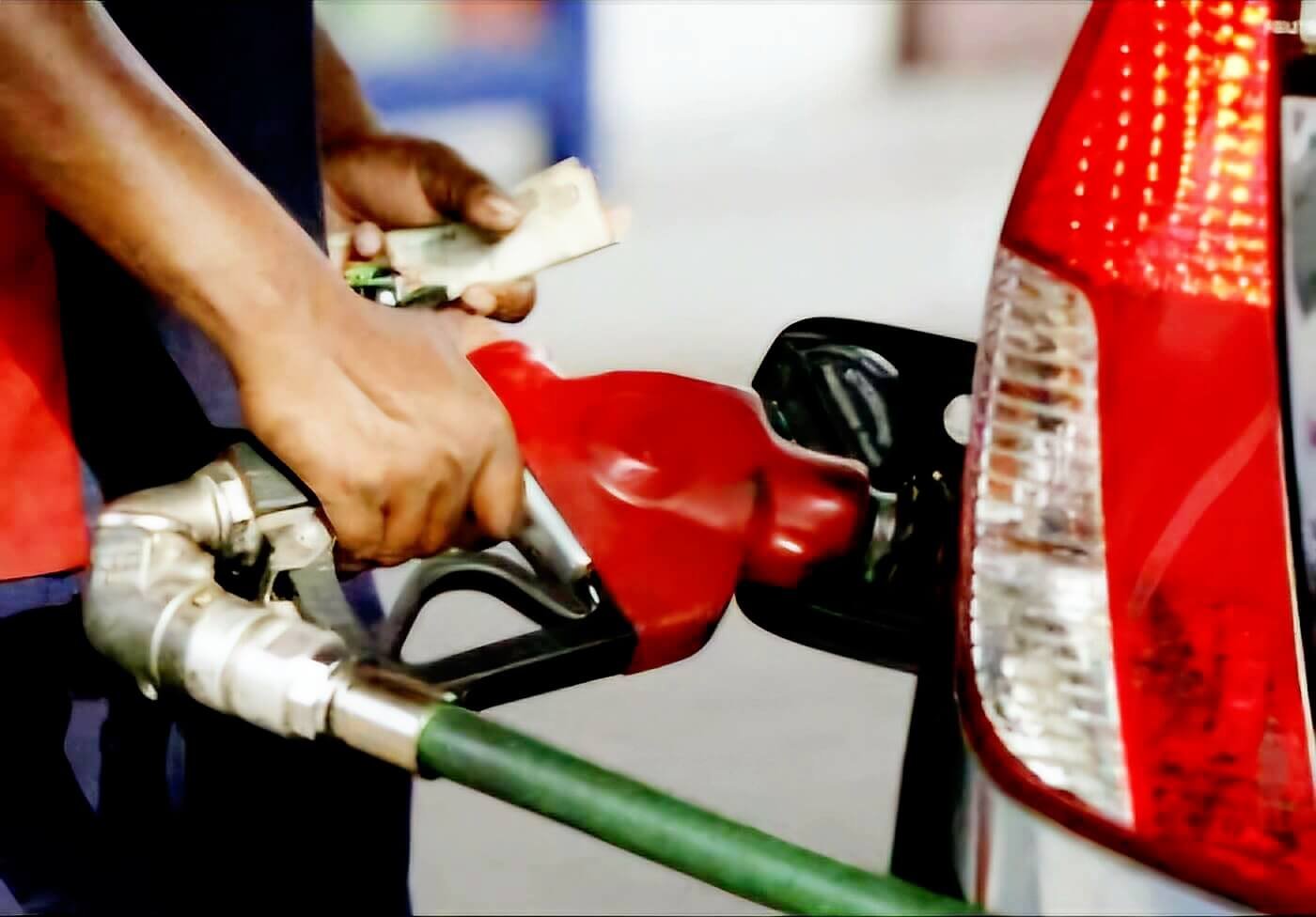
South African motorists are set to start 2026 on a high note, with the latest Central Energy Fund (CEF) data confirming substantial fuel price cuts for January.
Month-end figures point to over-recoveries across all fuel grades, ensuring that both petrol and diesel prices will drop sharply when the new adjustments take effect on Wednesday, January 7, 2026.
According to the CEF, petrol prices are expected to decrease by between 59c and 64c per litre, while diesel prices are set to fall by between R1.35 and R1.47 per litre — marking one of the biggest monthly declines in recent years.
Expected January 2026 Fuel Price Adjustments
| Fuel Type | Expected Change |
|---|---|
| Petrol 93 | -59c per litre |
| Petrol 95 | -64c per litre |
| Diesel 0.05% (wholesale) | -R1.35 per litre |
| Diesel 0.005% (wholesale) | -R1.47 per litre |
| Illuminating Paraffin | -R1.08 per litre |
Why Prices Are Falling
The over-recoveries are driven by two key factors: a stronger rand and stable international oil prices relative to November.
The rand strengthened significantly through December, closing the year around R16.53 to the US dollar — its best level since early 2022. A firmer currency directly reduces import costs for fuel.
Meanwhile, global oil prices have remained steady, with Brent crude hovering near $61 a barrel. Despite intermittent geopolitical flare-ups — including renewed tensions in Venezuela, Ukraine, and Iran — the global oil market continues to face oversupply pressures, which help to keep prices contained.
Together, these conditions have set the stage for South Africa’s biggest fuel price relief since 2021.
Rand Strength Powers the Rebound
The rand’s rally — up roughly 13% against the dollar in 2025 — has been underpinned by a combination of domestic reforms, improved fiscal discipline, and positive credit rating moves.
Locally, sentiment was boosted by a stable Government of National Unity, the country’s removal from the FATF grey list, and a series of interest rate cuts that helped steady inflation.
Analysts believe the currency’s strength could extend into early 2026, especially as reforms continue to gain traction.
“The rand appears to be ending 2025 on the front foot,”
— ETM Analytics.
Oil Prices: Calm After a Volatile Year
Oil prices were generally favourable for motorists throughout 2025, declining by nearly 20% year-on-year — the biggest drop since 2020.
Brent crude ended the year near $61 a barrel, even after a brief rebound following U.S. sanctions on Venezuelan oil and renewed clashes between Russia and Ukraine.
The International Energy Agency (IEA) forecasts a global supply surplus of nearly 3.8 million barrels per day for 2026 — a key factor keeping prices under control.
“Geopolitical events will support crude prices in the short term,” notes Robert Rennie of Westpac, “but oversupply concerns will likely dominate in the first quarter.”
Relief After Months of Volatility
January’s drop offers a welcome reprieve after December’s sharp increases, when both petrol and diesel rose by up to 82 cents per litre.
It follows November’s 60c petrol price cut — then the largest of 2025 — and reflects the early predictions of significant January price cuts.
The trend aligns with NOWinSA’s earlier report, which anticipated that South African fuel prices were nearing their lowest levels since 2021.
What It Means for Consumers
These January fuel cuts will offer a critical boost to household budgets and transport-dependent sectors, with ripple effects expected across food pricing and logistics.
Combined with recent monetary easing and a stable currency outlook, the drop is set to ease inflationary pressure and improve consumer confidence at the start of the new year.
The Department of Petroleum and Mineral Resources will announce the official price adjustments early next week.
When the New Prices Take Effect
The new fuel prices will officially come into effect on Wednesday, January 7, 2026.
For millions of South Africans returning to work, school, and daily commutes, this New Year’s fuel price cut delivers a rare and much-needed dose of optimism.
NOWinSA — Stories Shaping South Africa Today