

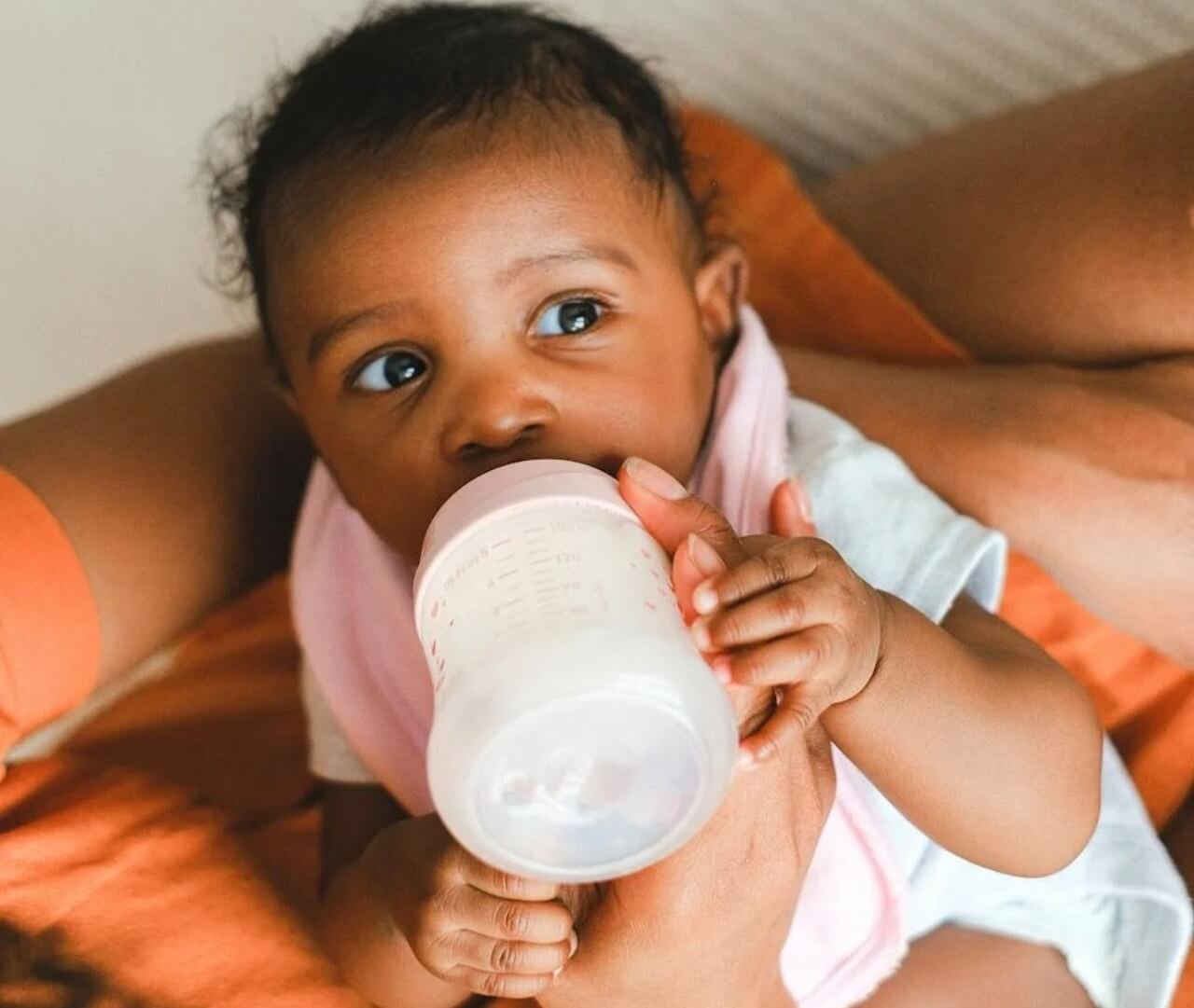
In one of the largest infant nutrition recalls in its history, global food giant Nestlé has issued an urgent warning to parents in South Africa to stop using a specific batch of NAN Special Pro HA 0–12 baby formula immediately, following fears of potential contamination by a dangerous toxin.
The recall forms part of a sweeping worldwide product withdrawal involving SMA, BEBA, NAN, Alfamino and Guigoz infant formulas — already affecting more than 50 countries across Europe, Asia Pacific, Africa and the Americas.
This follows growing scrutiny on major brands amid mounting global food safety alerts impacting South African consumers, including the previous Pick n Pay peanut butter recall over cancer-causing aflatoxins. These continue to raise pressing questions around food safety oversight and corporate accountability.
South Africa’s Confirmed Recalled Product
Nestlé South Africa has confirmed that the affected local recall is limited to one batch:
• Product: NAN Special Pro HA 0-12
• Pack Size: 6 x 800g
• Batch Number: 51660742F3
• Manufacture Date: June 15, 2025
• Expiry Date: December 15, 2026
Consumers are urged to stop using the product immediately and return it for a full refund.
Nestlé spokesperson Conny Sethaelo confirmed to local media that “no other Nestlé products or other batches of the same product are impacted” in South Africa.
Consumers may contact the Nestlé South Africa consumer careline on +27 8600 96116 for refunds or assistance.
What Went Wrong? The Toxin Parents Need to Know About
The global alert was triggered by the potential presence of cereulide toxin, linked to Bacillus cereus bacteria — identified as a contaminant in a third-party supplied arachidonic acid (ARA) oil ingredient used in some Nestlé infant formula production.
Unlike many bacteria-related risks, this toxin does not disappear when boiled or prepared correctly.
The UK’s Food Standards Agency warned:
“It is unlikely to be deactivated or destroyed by cooking, using boiling water or when making the infant milk.”
Symptoms include:
• sudden vomiting
• nausea
• stomach cramps
• possible diarrhoea
Symptoms may occur within hours and typically resolve within 6–24 hours. While Nestlé confirms no illnesses have been reported globally, authorities insist parents take precaution.
Nestlé’s Official Advisory to Parents
Nestlé has apologised for the distress caused and reiterated its commitment to infant safety, stating:
“Food safety and the wellbeing of all infants remain our top priority. We understand that this news may cause concern, and we are committed to providing clear, transparent information and support for parents and caregivers throughout this process.”
The company further confirms:
“No illnesses have been confirmed in connection with the products involved to date. Nestlé is taking the necessary actions in affected countries in full cooperation with the relevant authorities and in line with our strict product quality and safety protocols.”
View Nestlé’s full advisory and updated international recall list here.
How Big Is This Recall?
Authorities in Austria described the campaign as potentially the largest infant nutrition recall in Nestlé history, with recalls issued in over 25 European markets, alongside several in Asia-Pacific, Latin America, the UK, Australia and New Zealand.
This development marks a significant test of corporate accountability for a company that has long prided itself on social responsibility. It also highlights renewed urgency around South Africa’s consumer protection mechanisms.
What South African Parents Should Do Immediately
Parents and caregivers are strongly advised to:
1️⃣ Stop using the recalled NAN Special Pro batch (51660742F3)
2️⃣ Do NOT attempt to sterilise or boil the formula — the toxin cannot be removed
3️⃣ Seek medical advice if a child shows symptoms such as vomiting or stomach distress
4️⃣ Check batch numbers carefully, especially for imported Nestlé toddler or infant products
5️⃣ Call Nestlé SA Customer Care: +27 8600 96116 for refunds or support
This remains a developing story, with South African regulators expected to continue monitoring the situation closely. NOWinSA will keep readers updated on any further developments impacting local consumers.