


While Bryson DeChambeau was busy conquering the greens, South Africa was scoring a massive victory in the bank.
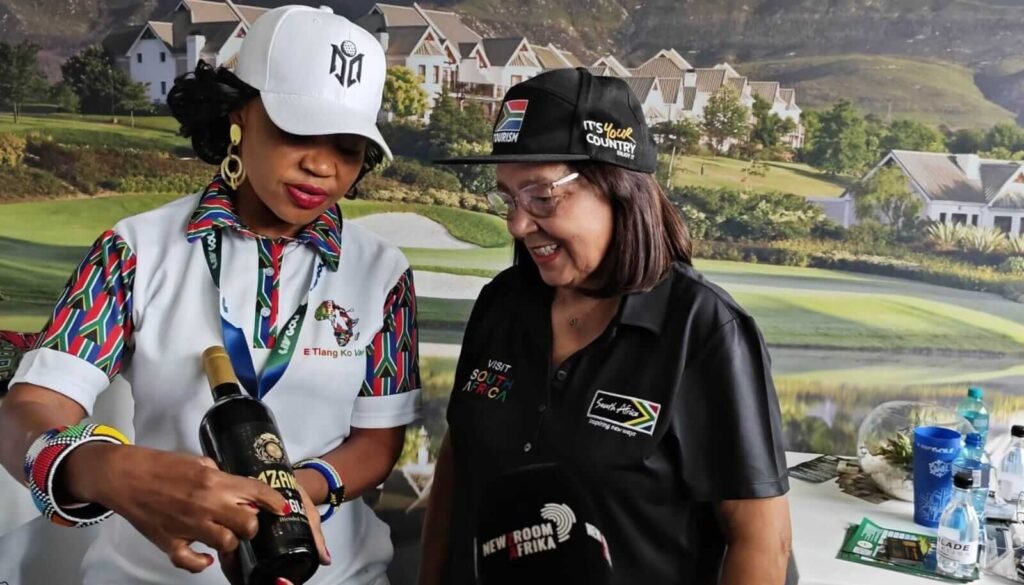
Minister of Tourism, Patricia de Lille, has hailed the inaugural LIV Golf South Africa as a transformative moment, describing the intersection of elite sport and high-end entertainment as the country’s “new gold rush.”
According to the Minister, the debut has already delivered a massive boost to the economy: “The impact on the economy of South Africa is over 800 million rands, and it’s creating temporary and long term jobs,” De Lille shared during a media address on Sunday afternoon. “You see all the facilities here, in the coming few days they have to break it down. And they have to rebuild it again for the next LIV Golf.”
A “colossal” debut on the global stage
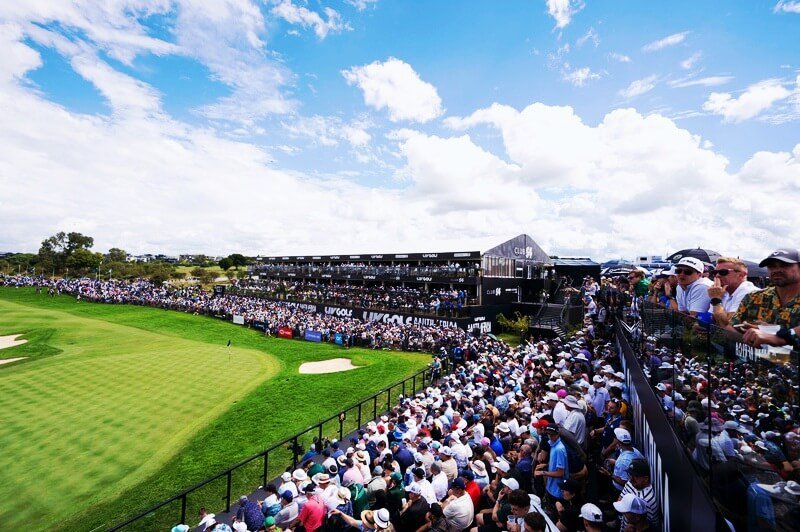
The tournament at The Club at Steyn City attracted more than 100,000 spectators, with a remarkable 40% of those fans attending a golf event for the first time. The global broadcast reached an estimated 1 billion households in over 200 countries, breaking records for inaugural golf events in Africa.
”We underestimate creative tourism and the value of sports tourism,” Minister De Lille noted. “And this again is an illustration to South Africa and I hope we learn from this.”
READ ALSO: LIV Golf South Africa 2026: The R1bn tourism boost and economic ripple effect
Addressing “gatekeeping” and modernising the game
Beyond the economic impact, the tournament has reignited a long-standing debate about about access, representation and control within South African golf.
Minister of Sport, Arts and Culture Gayton McKenzie addressed tensions surrounding the reluctance of some traditional structures, including the Sunshine Tour and Golf RSA, to align with LIV Golf South Africa. His remarks framed the issue as one of transformation rather than mere governance.
“LIV Golf came here with humility. The sport of golf has not reached black kids in the townships. It has not reached the majority of people in South Africa. It is viewed as an elite sport.”

Pointing to the visibly diverse crowds at Steyn City, McKenzie argued that the event signals a break from golf’s historically exclusive image.
“What you’re seeing here today, you’ve never seen it in a golf tournament in South Africa.”
He further made it clear that government would not be constrained by resistance from established stakeholders:
“We are not going to beg people to promote golf. We are going to work with those who are willing to promote the sport… The country comes first.”
This stance introduces a clear pivot in government thinking — from reliance on legacy bodies to actively backing new commercial partners and formats that broaden access and audience reach.
At the same time, Minister Patricia de Lille emphasised that long-term success will depend on grassroots development and inclusion, not just large-scale events. Central to this vision is the newly refurbished Soweto (Golf) Country Club, aimed at opening pathways for young players from historically excluded communities.
“Golf is a very disciplined sport… if youngsters start coming through and they start getting that mould of discipline, the opportunities are endless.”
Together, these approaches reflect a dual strategy:
- Challenge entrenched gatekeeping at the top level
- Build a sustainable talent pipeline from the ground up
With an ambitious target of 250,000 attendees for 2027, the next phase will require balancing rapid commercial growth with fair access for fans, particularly amid concerns around ticket availability versus corporate hospitality allocations.
NOWinSA Exclusive: President Ramaphosa joins 100,000 fans at Steyn City as LIV Golf confirms 2027 return
Infrastructure: Refining the experience for 2027
While the debut was widely praised, government is already working to improve operational efficiency ahead of the confirmed LIV Golf South Africa return from April 22 to 25, 2027.
Transport and traffic management have emerged as key focus areas.
”Given the opportunity we’ve now learnt in our first year, the local organising committee will look at all the experiences we’ve had,” said De Lille.
“If we have to improve on the traffic situation, we’ll have to do that — including more park-and-ride options. There’s simply not enough parking for everyone.”
An inter-ministerial committee, supported by a local organising committee, is already in place to streamline planning across departments — from tourism and transport to safety and local government.
This coordinated approach forms part of a broader national strategy, with South Africa currently bidding for 91 international events, of which 53 bids have already been secured.
“It’s a whole tourism value chain that benefits from these business events,” De Lille concluded.
What people are saying
Beyond official figures and policy direction, the atmosphere at LIV Golf South Africa has drawn widespread praise from fans and commentators alike.
LIV Golf editorial director Mike McAllister captured one of the tournament’s most defining moments:
“Unprompted, the crowd at 18 began singing the national anthem with the final group in regulation.”
The event has also been compared favourably with established global stops. A fan-run account, @BroncosOutside, noted:
“I don’t think that LIV Golf South Africa was better than Adelaide — but it was equal. And that’s a great thing for LIV Golf.”
With 100,000 tickets sold, South Africa now ranks as the second-largest LIV Golf event globally, behind only Adelaide in Australia.
According to South African Tourism spokesperson Aldrin Sampear, organisers believe the event could soon become the flagship tournament on the LIV Golf calendar.