

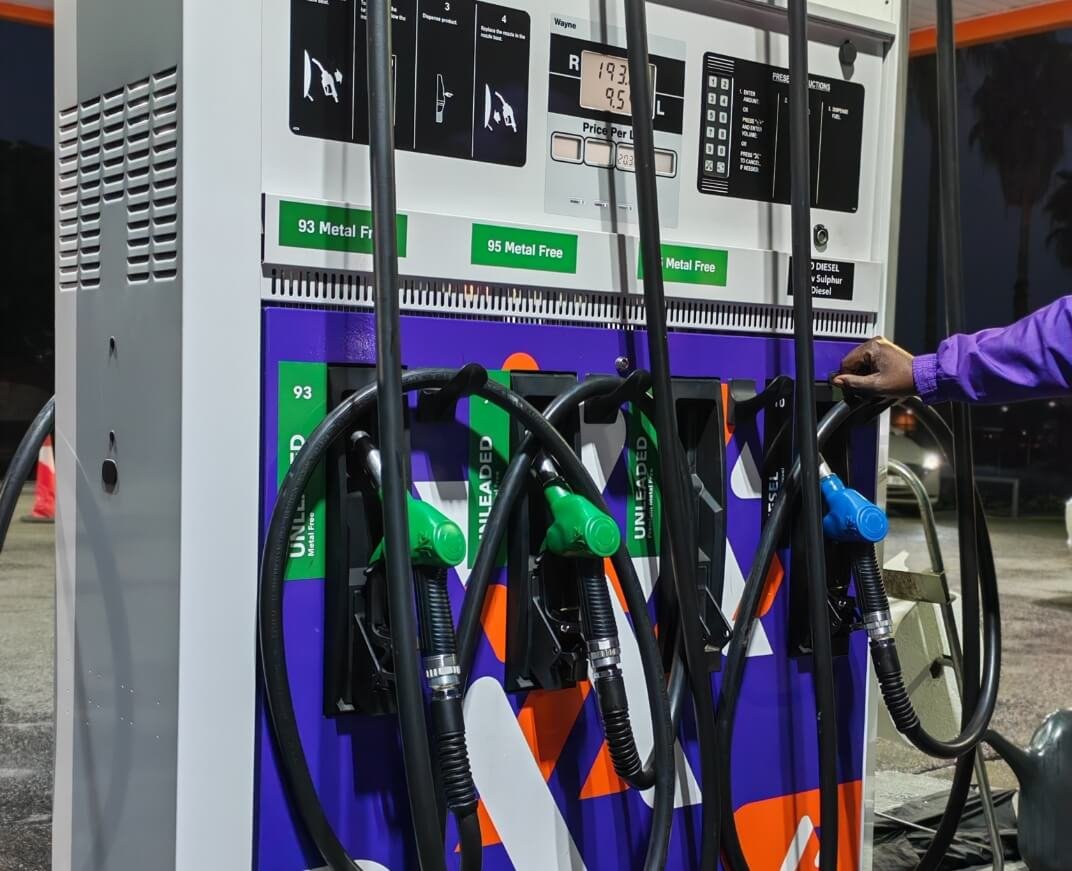
South African motorists need to brace for another painful month at the pumps. Early indicators point to a sharp fuel price increase at the start of May — and diesel leads the charge.
This warning follows government’s temporary relief measures earlier this month. The R3 fuel levy relief in April 2026 softened what would have been an even steeper hike. But that relief looks increasingly short-lived. Underlying costs keep climbing.
Daily data from the Central Energy Fund shows we continue selling fuel well below actual import costs. These under-recoveries have widened steadily through April. That signals a significant adjustment coming.
Just how bad is the gap right now? The latest CEF data from the first full week of April shows petrol facing an under-recovery of between R3.25 and R3.63 per litre. Diesel fares much worse — a massive under-recovery of between R10.80 and R10.84 per litre.
To put that in perspective: a few weeks ago, the CEF projected petrol would go up by R8 and diesel by a staggering R17 per litre. The situation in the Middle East has thankfully improved since then, bringing those projections down. But we still face serious pain.
Here’s what the CEF now expects for May 2026:
· Petrol 93 – Increase of R3.25 per litre
· Petrol 95 – Increase of R3.63 per litre
· Diesel 0.05% (wholesale) – Increase of R10.80 per litre
· Diesel 0.005% (wholesale) – Increase of R10.84 per litre
Those improvements temper early April’s nightmare scenario. But South African motorists remain a long way from seeing any actual relief.
What do we pay right now vs what’s coming?
As of early April 2026, diesel prices sit at roughly R25.90 to R26.11 per litre inland (wholesale) and R25.07 to R25.35 at the coast. Some reports show localised prices hitting around R27.50 already.
If the projected increase lands, here’s the math:
· Current price: ~R26.00 per litre
· Projected price: ~R40.00 per litre
· Total increase: R14.00 per litre
· Percentage jump: ~54%
That’s not just a number on a screen. A standard 60-litre tank that costs R1,560 today will jump to R2,400 after the hike. Since most freight in South Africa moves by road, that usually triggers immediate food price inflation. Public transport and e-hailing fares would likely see significant adjustments too.
The pressure doesn’t come only from local factors. Global oil markets remain volatile. Brent crude recently eased to around $97 a barrel after sharp swings earlier in the month. But geopolitical tensions — especially around key supply routes — continue to keep markets on edge, limiting any sustained price relief.
South Africa’s fuel pricing model works on a lag. So the ups and downs we see in April will probably show up directly in May’s fuel price changes. Even where oil prices have eased slightly, consumers absorb the current spike first.
We already see strain in parts of the economy. NOWinSA reported last week on diesel supply pressures in major cities, highlighting just how tight conditions have become.
“There’s a likelihood that there will be another big increase at the beginning of May, especially in the cost of diesel, which could take it up close to R40 a litre,” said economist Azar Jammine in an EWN interview on diesel price surge.
Households already under financial strain feel the implications immediately. Higher diesel costs filter through supply chains, raising the price of everyday essentials — from groceries to public transport.
Just look at recent trends. Prices swung from relief in February’s petrol price drop to renewed increases in March and April fuel increases. Motorists face rapid, unpredictable shifts.
Compounding the concern: we don’t know whether government will extend its temporary relief measures beyond early May. Without that cushion, the full extent of the increase will hit consumers all at once — no gradual easing.
For now, the outlook stays uncertain. But the direction points clearly. Unless global conditions stabilise and local interventions continue, May could bring one of the steepest fuel price hikes yet.
Motorists and businesses alike will watch closely in the coming weeks. Once again, the cost of fuel threatens to reshape household budgets and economic activity across the country.