

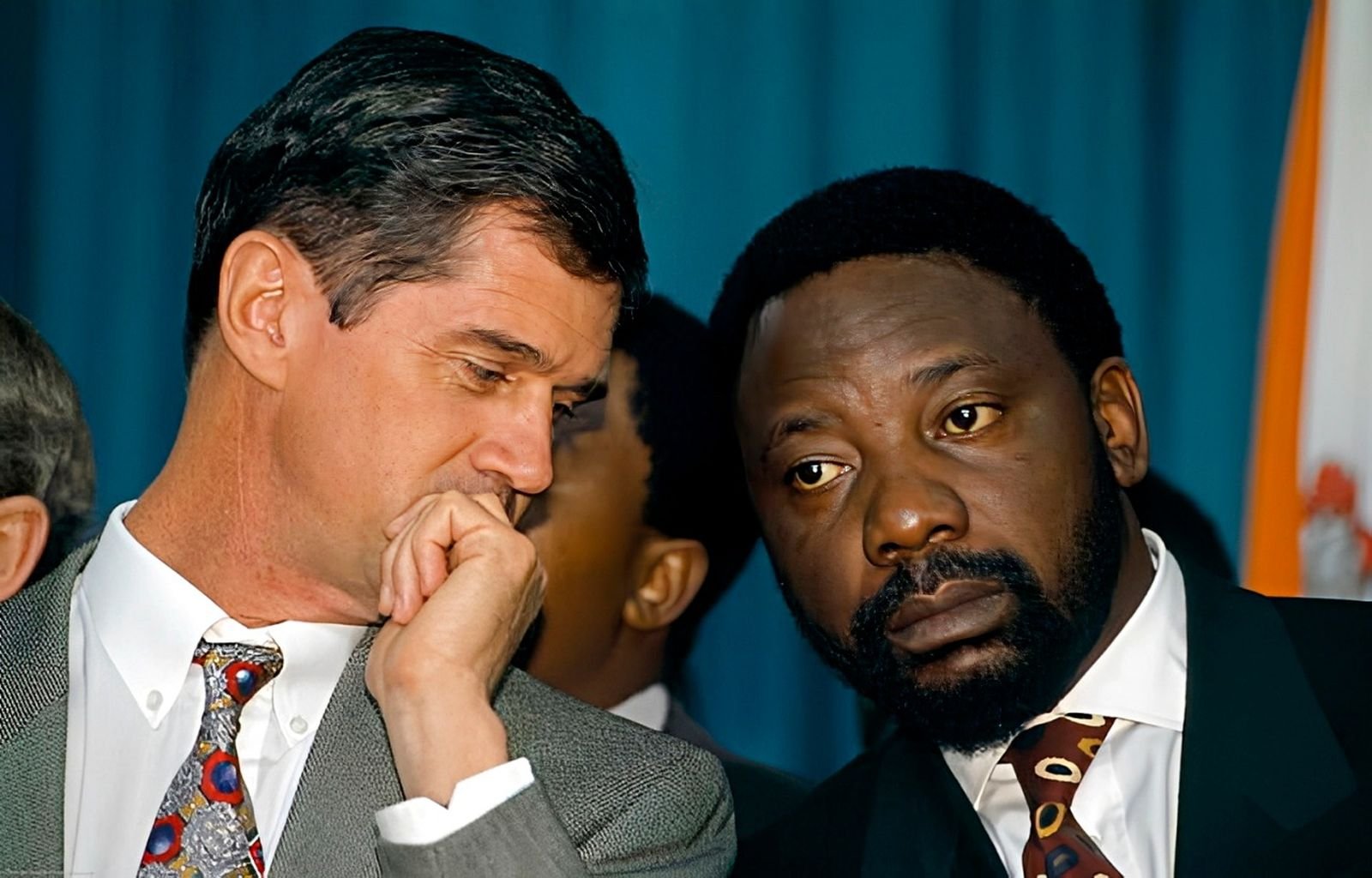
President Cyril Ramaphosa has reached back into history. He has appointed 78-year-old Roelf Meyer, a key figure in the talks that ended apartheid, as South Africa’s new ambassador to the United States (US) — a diplomatic gamble to protect the country’s trade lifeline to America.
The position has remained empty since March 14, 2025, when the US expelled former ambassador Ebrahim Rasool and declared him persona non grata after he criticised the Trump administration.
Presidency spokesperson Vincent Magwenya confirmed the appointment to the BBC, stating: “I can confirm that President Cyril Ramaphosa has appointed Mr Roelf Meyer as South Africa’s ambassador to the US.” When asked when Meyer would begin his diplomatic duties, Magwenya said: “Immediately, once all other protocols have been fulfilled in Washington.”
Ramaphosa desperately needs diplomatic stability. Bilateral ties between the two countries have hit a historic low, following high-profile spats and the expulsion of top officials, among other issues. So the president turned to a man who, alongside him, brokered the end of apartheid during the CODESA negotiations.
A partnership forged in fire
Meyer brings decades of negotiating experience to Washington. He grew up in what is now Gqeberha (formerly Port Elizabeth). He entered politics early as chair of the Afrikaanse Studentebond.
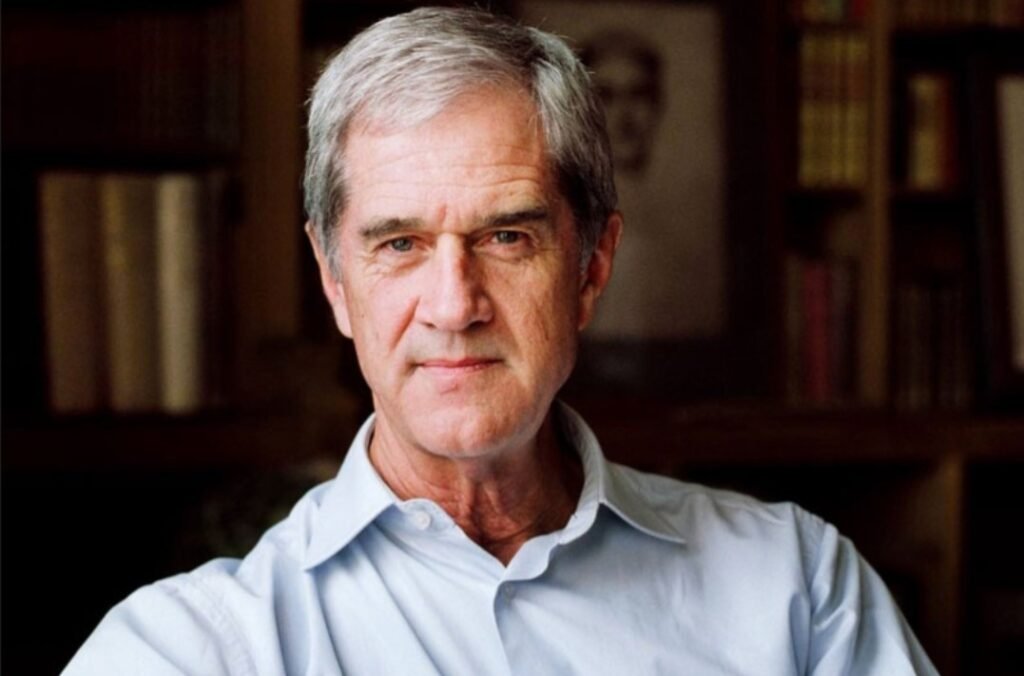
He became a National Party MP for Johannesburg West in 1979. By 1988, he saw the writing on the wall and realised change was inevitable.
He belonged to the “verligte” or enlightened wing of the National Party (NP). Meyer got to know the unionist and negotiator Ramaphosa well. Their working relationship helped the talks to end apartheid succeed. Today, that same chemistry offers the best hope of navigating Trump’s “America First” foreign policy.
One diplomat, speaking on condition of anonymity, told Daily Maverick why Meyer fits the role. “He has the networks in both parties in Washington DC to engage with both on the key issues concerned,” the diplomat said. “He is au fait and 100% on board with a rights-based approach, including our approach on Palestine. He will use his skills and experience to promote our values and interests without selling out our principles.”
Meyer currently leads the In Transformation Initiative, a global consultancy focused on peace initiatives. He has taken his negotiating nous global, engaging in peace initiatives in countries around the world and in negotiating complex processes in South Africa.
But Meyer walks into a storm. US-South Africa diplomatic relations have hit an all-time low. His immediate mandate: salvage the African Growth and Opportunity Act (AGOA) – a preferential trade deal that underpins $15-billion in bilateral trade – and manage the fallout from the Seditious Six disinformation campaigns that have poisoned ties between Pretoria and Washington.
For Ramaphosa, the appointment of Meyer represents a diplomatic gamble on a man who has not held public office in nearly three decades.
Mixed reactions and historical ghosts
Despite Meyer’s credentials as a deal-maker, the appointment has drawn fierce criticism from across the political spectrum. EFF spokesperson Sinawo Thambo invoked the memory of the late struggle hero Chris Hani to condemn the move.
Thambo claimed that Meyer was once “at the centre of the strategy to murder African people”, adding: “Today, on the anniversary of Hani’s assassination, Ramaphosa appoints a man who was at the centre of that strategy.”
From the right, Solidarity’s Kallie Kriel dismissed Meyer as a political opportunist. “The last thing the country needs is another ANC cadre. Roelf Meyer is exactly that,” Kriel stated, arguing that Meyer’s shift in political alignment – particularly his eventual alignment with the ANC – reflects a lack of steadfastness.
ActionSA leader Herman Mashaba offered equal scorn, stating that the president has “officially handed the country back to the National Party and completely compromised our freedom and our country’s sovereignty.”
The road to Washington
Meyer is expected to take up his post in early May 2026. He enters a diplomatic landscape already complicated by a refugee row involving Kenyan worker tied to the US relocation programme designed to relocate white Afrikanersbto America. It is further complicated by ongoing debates over race-based economipolicies especially, which Elon Musk erace-based economic policies, which Elon Musk recently compared to apartheid — a claim South Africa strongly rejected.
For Ramaphosa, the gamble is clear: the man who helped dismantle apartheid must now protect AGOA and prevent a total collapse of South Africa’s most vital Western alliance.
In the corridors of Pretoria, officials see this not as a look backward but as a strategic deployment to reclaim the once-cordial footing of a bilateral relationship that geopolitical friction has since eroded.