


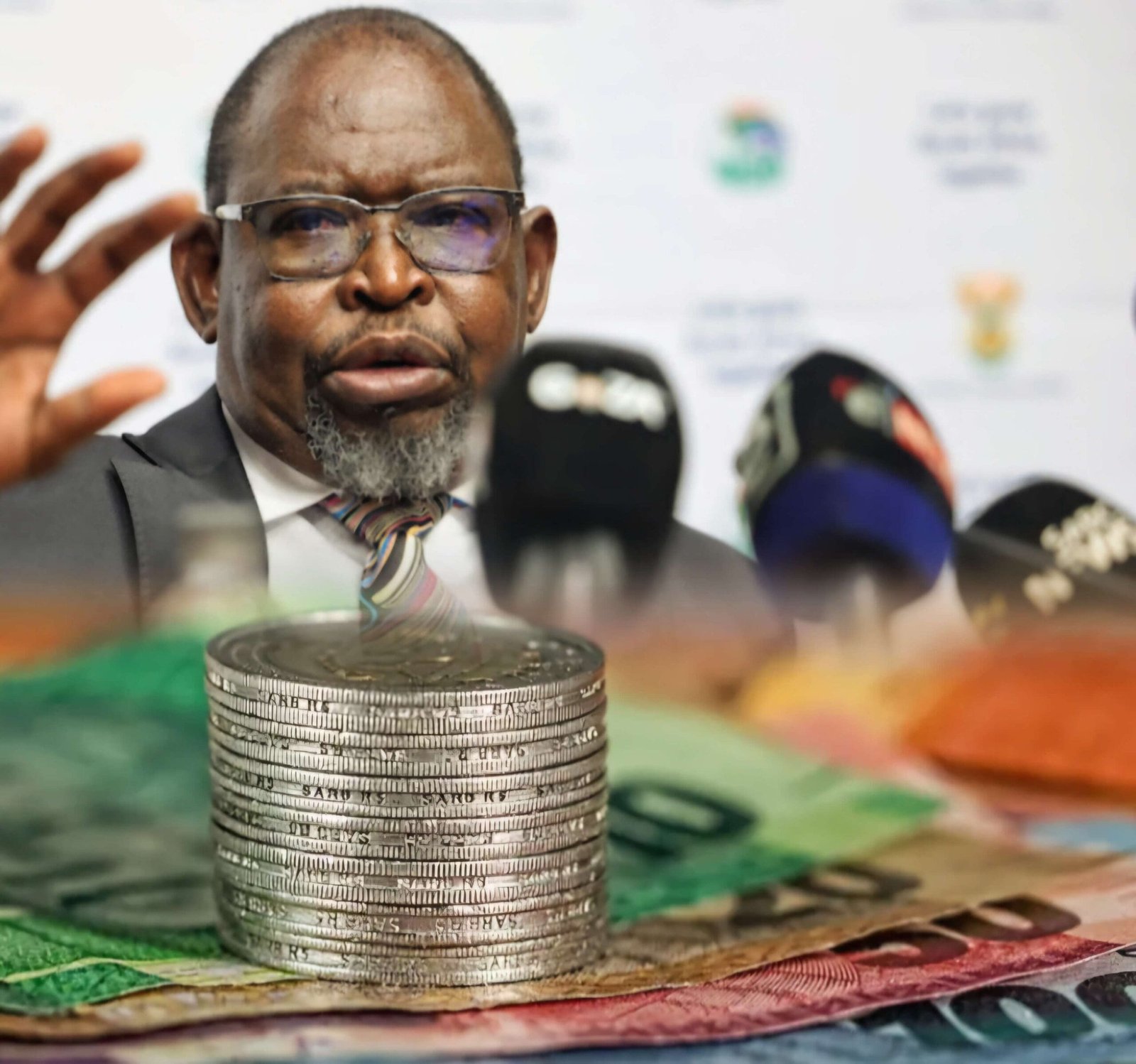
South Africa’s R3-a-litre fuel levy relief hangs in the balance as Finance Minister Enoch Godongwana prepares to announce later today whether government will extend the measure ahead of the expected May fuel price hike.
The temporary intervention, introduced beginning of April to cushion consumers from sharp global oil price spikes caused by Middle East tensions, expires on May 5. While the fuel subsidy provided a critical temporary buffer for motorists when it was made, the fiscus remains under severe pressure, making a long-term extension unlikely.
Decision expected after end-of-month review
Minister Godongwana confirmed that the final decision follows a formal review process concluding today.
“I am applying my mind to the extension of the fuel levy at the appropriate time,” Godongwana stated during a recent briefing. “I promised South Africans a review at the end of the month after consulting Minister Mantashe. I will likely make the necessary announcement on Tuesday, the 28th.”
This timeline places the announcement just days before the current relief lapses, leaving markets and transport sectors on high alert.
The fiscal cost of fuel relief
The intervention carries a heavy price tag. The government lost approximately R6 billion in tax revenue during April alone—a figure that explains why Treasury remains wary of long-term subsidies.
Despite public pressure, Godongwana cautioned that the state cannot sustain the measure indefinitely. This fiscal strain follows a record April fuel price surge, where diesel jumped by over R7.50 per litre. Without an extension, the May fuel price outlook suggests diesel could climb even higher, further straining the national economy.
DA pushes for extension without new taxes
The Democratic Alliance (DA) is leading the charge for a month-long extension, warning that a “levy cliff” would trigger catastrophic increases at the pumps.
The party projects that petrol could rise by over R4 per litre and diesel by more than R6 per litre if the full levy returns on May 6. To fund the relief, the DA proposes redirecting surplus funds from the Compensation Fund and tightening government expenditure rather than increasing borrowing. They maintain that the extension is financially viable if the state addresses internal inefficiencies.
Labour calls for deeper fuel tax cuts
Labour groups argue that simply extending the current relief is insufficient. The Congress of South African Trade Unions (Cosatu) is pushing for a more aggressive, permanent reduction in fuel taxes.
“The most important source of relief for workers is a further reduction in the fuel taxes and levies,” the federation stated. Cosatu warned that workers already spend up to 40% of their wages on transport and cannot absorb another price shock.
Revenue gains vs structural gaps
Advocates for the extension point to strong revenue collection by SARS in the 2025/2026 financial year, which hit a historic R2 trillion mark. However, Godongwana has dismissed the idea that this creates an automatic “surplus” for fuel subsidies. He noted that while collections have improved, total revenue still falls short of overall government expenditure, reinforcing Treasury’s stance that any relief must remains temporary.
Global pressures and supply shifts
External factors continue to dictate South Africa’s fuel security. Industry data shows a shift in trade routes, with South Africa increasing imports from the US, Nigeria, and India to bypass Middle East disruptions. As Africa imports roughly 70% of its refined fuel, the country remains highly exposed to global volatility regardless of local levy decisions.
The bottom line for South Africans
The Minister’s decision will have an immediate impact on the cost of food and logistics. While the emergency fuel cushion acted as a vital stopgap, its removal could push petrol toward R30 per litre and potentially drive diesel to a historic high of R40 per litre.
Godongwana’s pending announcement will determine if South Africans get a temporary lifeline or if they must prepare for a historic spike in the cost of living.