


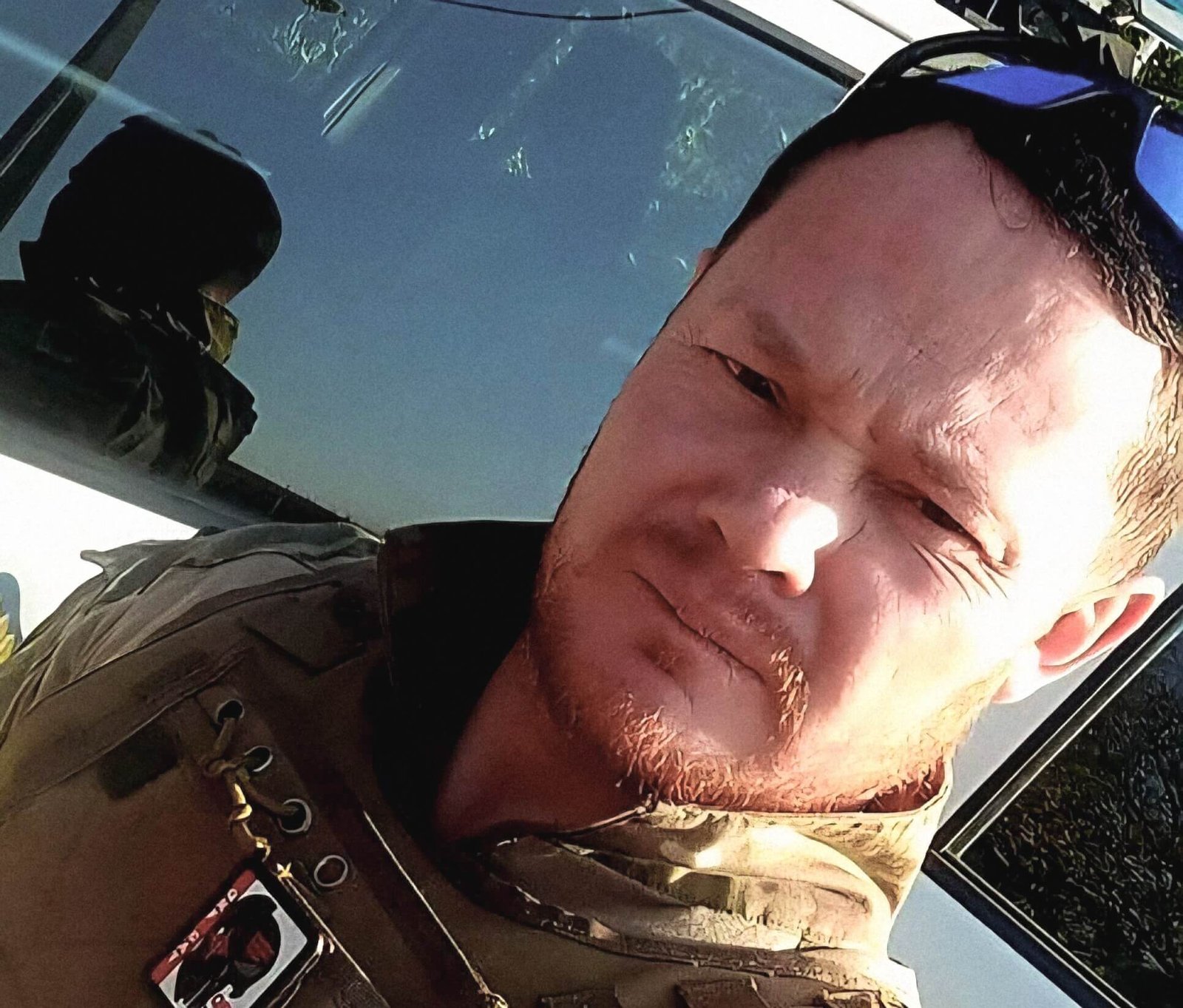
South Africa has been shaken by the assassination of Marius “Vlam” van der Merwe, known to the nation as Witness D in the explosive Madlanga Commission of Inquiry, after he was gunned down outside his Brakpan home in full view of his wife and children.
Van der Merwe, a former EMPD officer and owner of the specialised QRF Task Team, was shot multiple times as he prepared to leave his Gauld Street residence in Brenthurst on Friday evening (December 5, 2025). NOWinSA can confirm that senior SAPS leadership descended on the scene, where an urgent, impromptu media briefing was held.
This comes months after NOWinSA first amplified the deeply unsettling testimonies emerging from the commission, including the viral report on Witness B’s shocking and courageous evidence as highlighted in the below X post:
SAPS confirms identity — but won’t clarify whether protection was refused or never requested
Addressing media on the scene, Deputy Provincial Commissioner Lieutenant-General Fred Kekana confirmed that the victim was “indeed Witness D, a 41-year-old male.”
But when pressed about the state’s alleged failure to protect a high-risk whistleblower or witnesses — especially one who had publicly expressed fear for his life — Kekana said SAPS could not force protection on individuals.
However, crucially, he refused to clarify whether protection had been offered to van der Merwe and declined, or whether no request had ever been made.
“We are not allowed to force protection on individuals who say they don’t need it — or who do not ask for it,” Kekana initially told journalists.
When further asked whether Witness D had been offered protection or simply never requested it, he responded:
“With this investigation, we will get into this exact matter with IPID to understand exactly what happened.”
Kekana insisted that the investigation into the murder is “at an advanced stage” and vowed that the police would deliver concrete outcomes.
“We are going to ensure everything linked to his health and his safety concerns is dealt with,” he said.
His remarks have raised urgent questions about systemic failures in safeguarding whistleblowers tied to corruption, policing abuses, and organised criminal networks.
A witness targeted: He warned he might be killed
Crime activist Yusuf Abramjee has confirmed that Witness D had phoned him in just two days before his murder, saying he wanted to reveal his identity publicly because:
“I’m afraid I might be killed.”
Abramjee revealed in an interview with eNCA that van der Merwe contacted him again shortly after he posted about zama-zama operations on X, saying he was the one closing the illegal mining holes — a direct challenge to organised criminal groups.
His warnings now read as a chilling prediction of his fate.
What witness D told the Madlanga Commission
Van der Merwe’s testimony, delivered in-camera on November 14, detailed:
- His involvement in the disposal of a body allegedly at the instruction of suspended EMPD acting chief Julius Mkhwanazi
- An alleged cover-up following the 2022 Brakpan murder
- His knowledge of illegal mining syndicates and their alleged ties to senior officials
His identity was kept hidden — until now.
NOWinSA has tracked each development around the Mkhwanazi allegations, including:
🔗 Mkhwanazi implicating political leaders
🔗 Testimony suggesting SAPS protected key suspects in the Namhla Mtwa femicide case.
A system already on trial
The assassination strikes at the heart of the very crisis the Madlanga Commission was created to investigate.
President Cyril Ramaphosa established the inquiry following revelations of criminal syndicate infiltration in SAPS, NPA, Metro Police and the broader justice chain.
Earlier this week, South Africans watched in disbelief as Colonel Bila struggled to answer commissioners’ questions about why a murder case she reported had gathered dust — a moment that highlighted systemic failures now exposed even more starkly by Witness D’s death.
His assassination not only silences a critical voice but threatens to destabilise the credibility of the entire judicial reform project.
What happens now?
The state must now demonstrate:
- whether witnesses are proactively assessed for protection
- whether SAPS responded adequately to his warnings
- and how syndicates continue to operate with impunity
IPID’s involvement suggests the possibility of internal failures, negligence, or procedural gaps within witness management systems.
For a commission already battling allegations of captured police stations, compromised detectives and political interference, this killing may prove to be its most defining test.
South Africa will now await whether justice — the very thing Witness D died trying to restore — can still be salvage.