

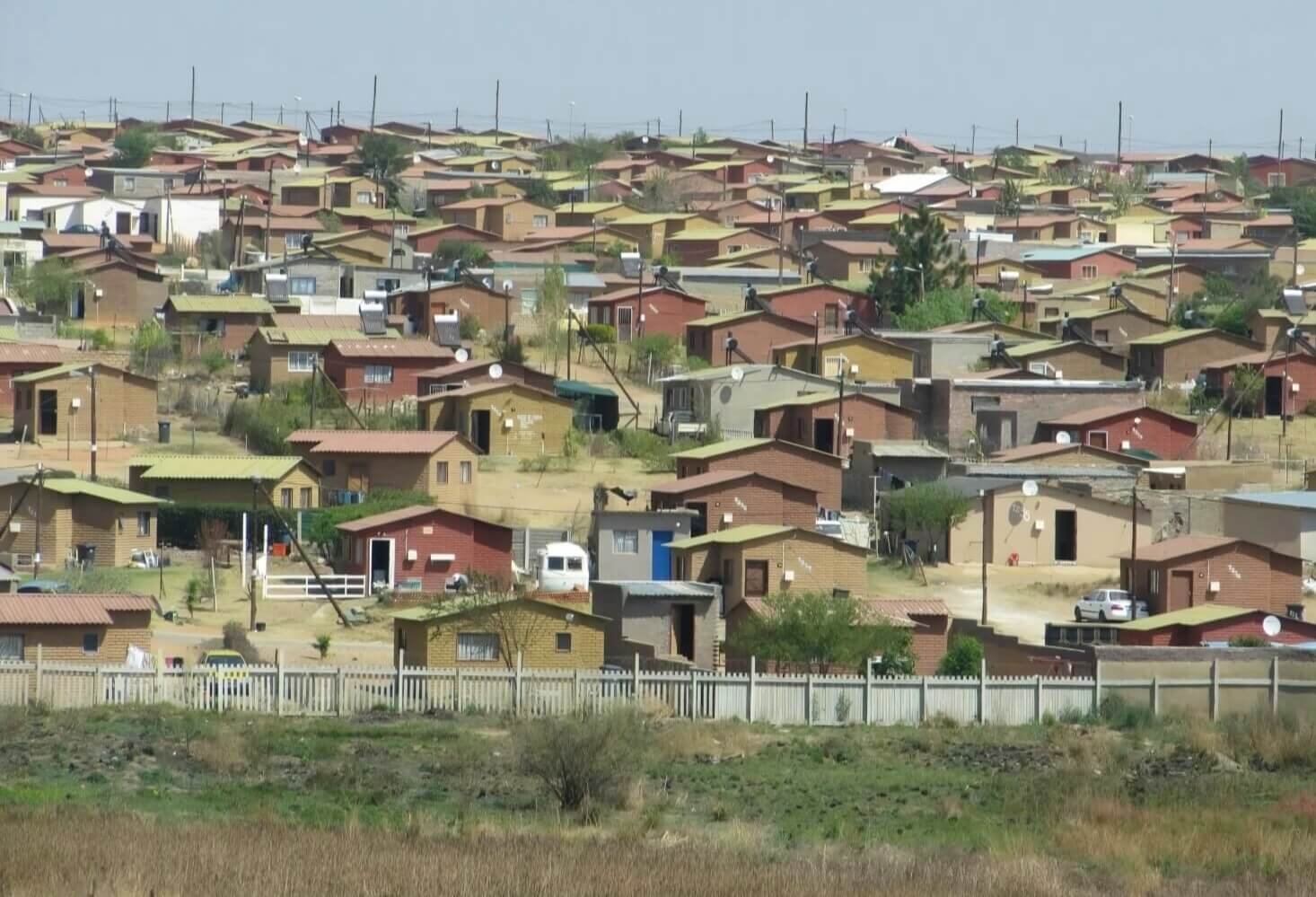
The recent controversy surrounding the alleged illegal sale and rental of RDP houses has left many South Africans asking if these properties can be legally traded.
According to the Housing Act 107 of 1997, the short answer is yes—but only under very specific and strictly enforced conditions. These houses are provided by the Department of Human Settlements (DHS) to support the poor and previously disadvantaged, and the law is designed to prevent these assets from being used for commercial gain.
The urgency for legal clarity has spiked following the Scooby Nero RDP outrage, where viral claims of mass illegal ownership sparked a national conversation on housing integrity.
The eight-year occupancy rule
The most critical restriction is the mandatory occupancy period. A beneficiary is prohibited from selling an RDP house before they have lived in it for at least eight years. As to Who qualifies for these homes is strictly defined by income and citizenship, and the state views the sale of a home before this period as a total violation of the subsidy’s intent.
If a beneficiary wishes to sell before the eight-year mark, they must first offer the property back to the Provincial Department of Human Settlements or the local municipality—a policy known as the “First Right of Refusal” under the Housing Act 107.
Why you need a title deed
Even after the eight-year period has lapsed, a sale is only legal if it is processed through a qualified conveyancer and the Deeds Office. Many people mistakenly believe that a police affidavit is sufficient for a property transfer; however, this offers no legal protection to the buyer.
- The Title Deed: This is the only legal proof of ownership.
- The Risks: If you buy an RDP house through an “informal” sale without a deed transfer, the house legally remains the property of the original owner.
Potential buyers are stoengly encouraged to seek representation from legal professionals to avoid scams. Without a formal transfer, a buyer could be evicted without compensation.
Prohibitions on renting
It is important to note that renting out an RDP house for profit is strictly prohibited at any time. The primary goal of the housing programme is to eradicate homelessness, not to create a rental market for subsidised housing.
Those who sell within eight years or use an RDP as rental stock faces the risk having the property reclaimed by the state.
Failure to follow the legally prescribed process when alienating or acquiring RDP property can be costly and regrettable. Before proceeding with any transaction, ensure you have consulted the relevant municipal authorities.
Read next
➡️ ‘I was just trolling’ – Scooby Nero apologises for RDP claims, admits he ‘didn’t read the room’
For breaking South African stories and in-depth analysis of the issues that matter to you, visit NOWinSA