

In 2026, choosing a trading platform is one of the first big decisions you’ll face as an active market participant in South Africa. If you want access to forex, local and global equities, commodities or even cryptocurrencies, the service you pick becomes the foundation of your trading experience.
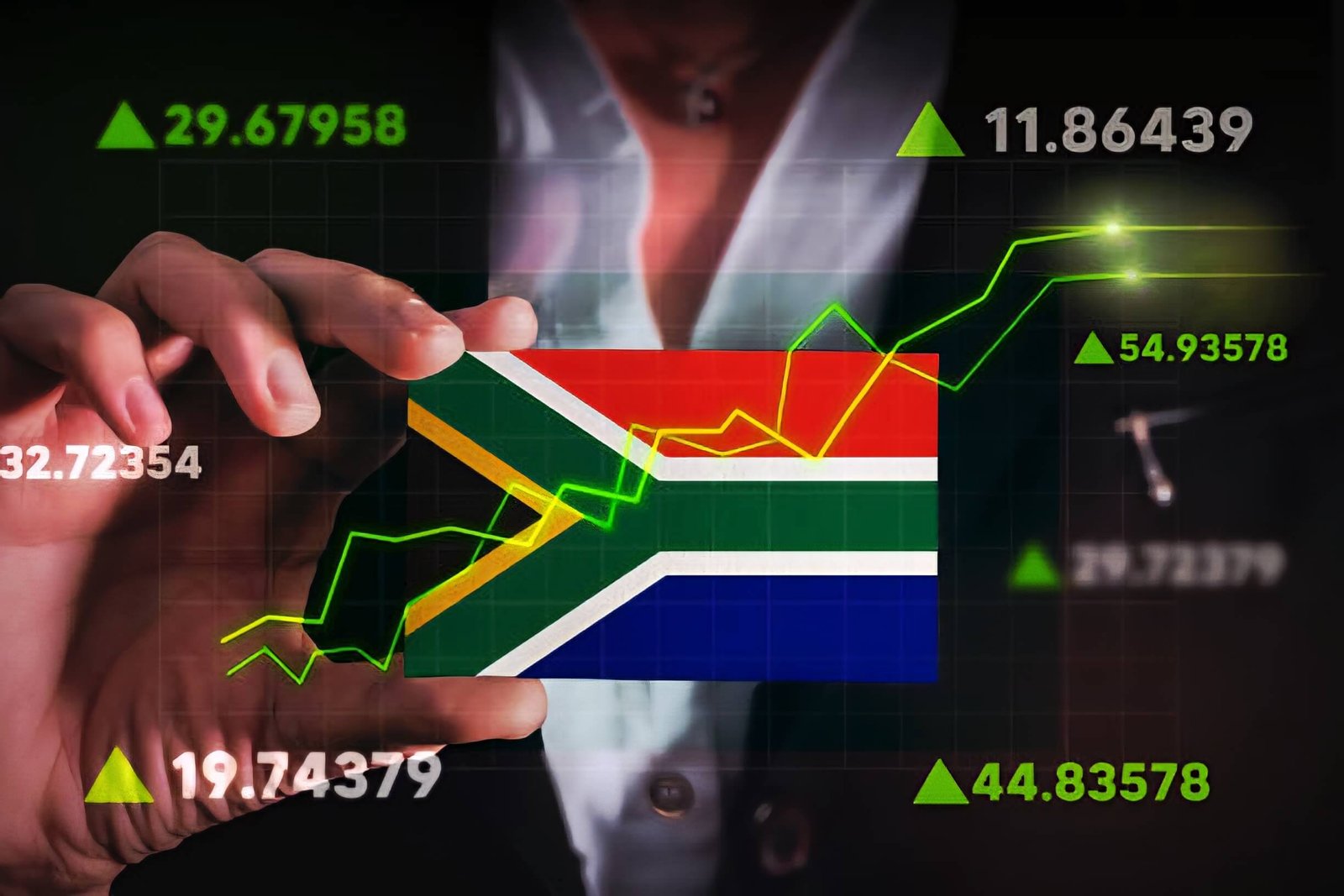
South Africa has emerged as the largest online retail forex trading market in Africa, with around 190, 000 active traders participating daily and generating more than R33 billion in turnover each day across forex and CFDs, reflecting intense local engagement and growing digital participation. This reality underscores how dynamic and competitive the landscape has become for individual traders.
Every platform makes promises about speed, reliability and cost, but your reality will be shaped by how well those aspects actually work for you. Experienced traders focus on factors that directly affect their outcomes and daily workflow, while newcomers want clarity and confidence that they are using a platform that supports learning and growth.
In this article, you’ll find a structured look at the features that matter most when evaluating a provider. These include regulatory legitimacy, cost structures, technological capabilities, range of tradable markets and the level of support and educational resources. The aim is to translate what professionals look for into practical insight you can apply when comparing brokers, and a strong platform can help you trade with assurance, reduce unnecessary friction and keep your focus on analysis and strategy.
Regulatory oversight and why it matters in South Africa
When you start comparing trading providers, regulatory oversight is a good place to begin your checklist. South African traders often pay particular attention to whether a platform is regulated by the Financial Sector Conduct Authority (FSCA), as this local regulator has established a framework to supervise brokers who serve retail clients in the country. It helps to reduce the risk of fraud or mishandling of client funds. Platforms with FSCA licences must meet defined criteria around capital adequacy, client fund segregation and reporting obligations, which helps protect you from unexpected closures or financial misconduct.
In addition to FSCA regulation, many South Africans also trade with global brokers that hold licences in established jurisdictions such as the United Kingdom or Australia. These regulators also require standards like transparent pricing, fairness in execution and strict internal controls. Trading platforms in South Africa as often seen in community forums and research to describe services that accept ZAR deposits, support local payment methods and comply with regional oversight. Ultimately, trading with a regulated platform doesn’t guarantee profit, but it does create a safety net that supports trust and accountability.
Cost structures: spreads, commissions and hidden charges
Cost considerations should be near the top of your evaluation list because they directly affect your returns. Brokers will typically make money through spreads, which are the differences between the buy and sell prices and through commissions, which are fixed or variable fees per trade. Some providers in South Africa have built reputations for tight spreads, which appeals to active traders who open and close positions frequently during the day. Other brokers might advertise zero commissions, but they do this by slightly widening spreads. There isn’t a universal best model, but you need to understand how costs scale with your trading style.
If you trade in large volumes or use leverage, even small differences in spread can add up over time. In addition to spreads and commissions, be mindful of deposit and withdrawal fees. A platform that charges high fees for local bank transfers or ZAR conversions can quietly erode your balance over multiple transactions. Many traders choose brokers with ZAR‑denominated accounts that simplify this aspect and make it easier to forecast the true cost of trading. Equally, interest rate cuts by the South African Reserve Bank can subtly influence swap or overnight holding fees, affecting the overall cost of leveraged positions. It also helps to check if the broker applies inactivity fees, overnight financing charges on CFD positions or additional surcharges for using certain order types. Once you map costs against your routine trading needs, you will have a clearer picture of overall affordability.
Platform performance and functional tools
After you have narrowed your list by regulatory standing and costs, your attention will likely turn to how well the platform actually performs. Speed of execution, reliability during peak volatility and the quality of the user interface all come into play here. Nothing frustrates a trader more than slow quote updates or dropped orders when markets are moving quickly. Many South African traders use established software such as MetaTrader 4 (MT4) or MetaTrader 5 (MT5) because these platforms have proven track records, deep charting tools and a community of third‑party developers who create indicators and automated strategies.
Other brokers have developed custom platforms that integrate advanced analysis tools, news feeds and risk management utilities that are tailored to modern trader workflows. When evaluating the technology, consider how easily you can place trades, manage your positions and monitor market events on both desktop and mobile. Mobile trading has become particularly critical, as you will often want to check your positions or issue trades while away from your primary workstation. The best mobile apps mirror the functionality of the desktop version, offering real‑time charts, alerts and order controls that feel intuitive on smaller screens. Ultimately, performance is about raw speed as well as about how natural and efficient the experience feels over extended sessions.
Range of markets and account types that suit your strategy
Your choice of markets and account structures should match your trading objectives. Some platforms focus on a narrow set of offerings like forex and CFDs, which can be ideal if currency pairs and short‑term trades are your priority. Other services provide a broader slate of products, including South African equities listed on the Johannesburg Stock Exchange (JSE), international shares, exchange‑traded funds (ETFs), commodities and even digital assets like Bitcoin derivatives. If you want diversification within a single account, a platform that supports multiple asset classes can reduce complexity and let you shift strategies without moving funds across services.
Another aspect that traders assess is the variety of account types on offer. Beginners may appreciate accounts with low minimum deposits and simplified interfaces that ease them into live markets. Equally, semi‑professional and advanced traders often look for accounts with tighter spreads, higher leverage levels where permitted, direct market access or ECN‑style execution that can improve pricing and reduce slippage. Demo accounts are also invaluable when you want to test a broker’s platform with virtual fund balances before committing real capital. Overall, your own habits and goals should guide how much weight you give to variety: a wide selection of tradable markets can be empowering, but only if the platform delivers consistent performance across those offerings.
Personalising your choice for your trading life
At the end of the day, your selection of a trading platform in South Africa should reflect both your current level of experience and your growth plans. A beginner who wants to build confidence might prioritise ease of use, clear costs and generous educational materials. In contrast, a more seasoned trader whose focus is precision and speed may lean towards platforms with advanced execution options, professional‑grade charting and lower variable costs. Some traders will even maintain multiple accounts with different brokers to take advantage of unique strengths in each service, such as one for forex scalping and another for long‑term equity investing.
Whatever path you take, approaching the decision with a structured evaluation of regulation, costs, functionality, market access and support will help you choose a platform that complements how you trade. South Africa’s trading ecosystem has matured significantly, with there now excellent services that cater to a wide spectrum of needs. Overall, giving attention to the points covered here will make you better placed to select a platform that fits your style and helps you manage risk while aiming for your financial goals. Take time to explore demo accounts, test different interfaces and ask questions, as these small steps can save frustration down the line. Ultimately, choosing the right platform is about finding a service that feels intuitive, reliable and aligned with the way you want to trade, so you can focus on growth rather than technical headaches.