


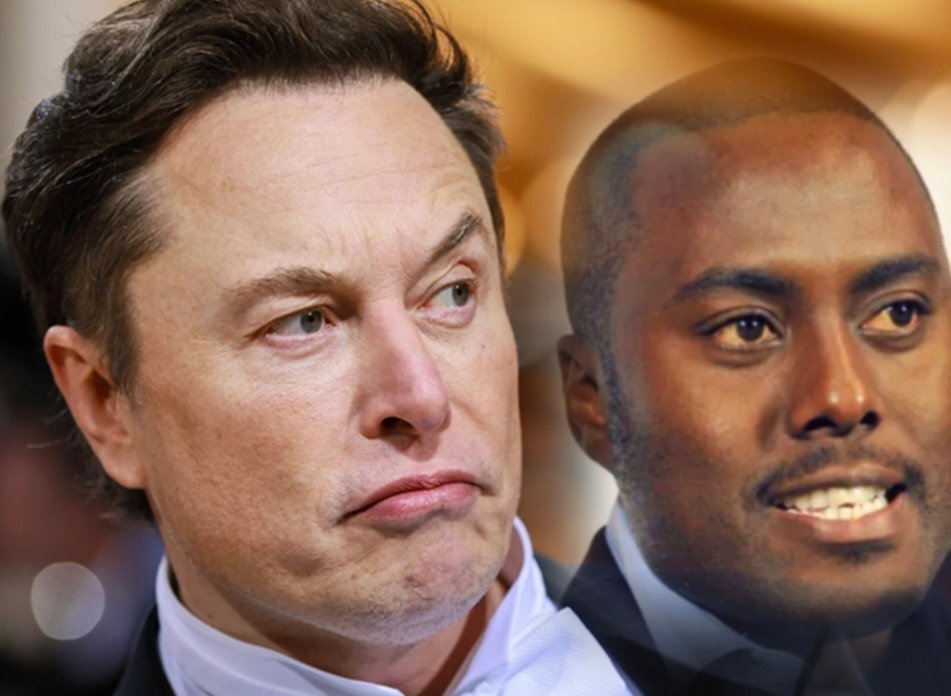
A fiery exchange on X has drawn global attention after Elon Musk lashed out at South African diplomat Clayson Monyela in a dispute over Starlink’s blocked entry into the country.
The clash began when a widely shared post defended Musk’s criticism of SA’s Broad-Based Black Economic Empowerment (B-BBEE) laws, arguing that they unfairly require companies like Starlink to cede 30% ownership.
Musk responded forcefully, repeating his long-standing claim that Starlink is facing exclusion on racial grounds — a claim local authorities have consistently rejected. Previous NOWinSA reporting has fact-checked and dismantled that claim, showing how Musk misrepresents South Africa’s B-BBEE laws.
At the centre of the dispute sits Starlink, the satellite broadband service operated by SpaceX. While Musk insists regulatory resistance stems from racial motives, SA government maintains the issue is straightforward: comply with local ownership and transformation laws.
Policymakers have explored alternatives such as equity equivalents, but no exemptions have been finalised. That full policy debate covers why Starlink became the flashpoint.
Musk vs Monyela: from meme to meltdown
The situation escalated when Monyela, Head of Public Diplomacy, responded to Musk’s complaints with a mocking meme — showing an unimpressed child staring at a tiny dessert — suggesting that hundreds of US companies comply with local laws and operate successfully in South Africa .
Musk did not hold back. In a blunt reply, he told Monyela to “stop being such a racist” and called him an “asshole” in a post that quickly went viral and intensified the standoff.
The meme itself follows a familiar internet trope: a deadpan, unimpressed child signalling disbelief — in this case, aimed squarely at Musk’s repeated grievances.
Social media splits sharply
The exchange triggered a flood of reactions, exposing deep divisions over the issue.
Some users backed Musk, arguing that South Africa risks missing out on transformative connectivity, particularly in rural areas. They pointed to Starlink’s ability to deliver fast internet without traditional infrastructure and questioned whether policy rigidity holds back progress.
Others pushed back just as strongly. Critics noted that hundreds of multinational companies — including American firms — comply with South Africa’s laws without controversy. One user highlighted that sectors ranging from finance to retail operate within the same framework, raising questions about why Starlink should face different treatment.
Another widely shared response dismissed Musk’s proposed $30 million rural schools initiative as a strategic move rather than pure philanthropy; the user argue that empowerment policy demands long-term ownership, not once-off investment.
One X user put it bluntly, capturing the frustration many South Africans feel:
“Musk wants to call us racist while charging rural Africans R12,000 for a dish they’ll never afford. He’s not bringing internet to poor kids. He’s selling a luxury product to rich people and pretending it’s charity. Sit down.”
The debate also drew in Dr Boyce Watkins, who weighed in from the United States. He argued that any discussion of race in South Africa must account for the country’s history, suggesting that corrective policies cannot separate themselves from the legacy of apartheid.
The affordability question that Musk doesn’t mention
While Starlink is a technological marvel, the affordability argument remains one of the most contentious points in the South African context.
Musk touts Starlink as the solution for the “unconnected,” but local critics point to a massive cost barrier. With a hardware setup fee nearing R12,000 and monthly subscriptions around R950, the service remains a luxury out of reach for the very rural communities it aims to serve.
For context, many South Africans spend less than R300 per month on prepaid mobile data. A family in a remote village cannot drop nearly R13,000 upfront just to get a dish installed. Critics argue that celebrating Starlink as a saviour for the unconnected ignores basic economics: if people cannot afford bread and electricity, they certainly cannot afford a high-end satellite subscription.
This reality undercuts Musk’s narrative that South Africa is simply blocking a benevolent service. Even if regulators granted a licence tomorrow, how many rural households could actually pay for it?
Government holds the line
Despite the intensity of the online exchange, South African authorities have remained consistent: they have not singled out Starlink, and the regulatory framework applies equally to all operators.
Officials have rejected comparisons between current empowerment laws and apartheid-era discrimination, calling the analogy false and misleading. South Africa’s full rebuttal to Musk lays out why the two eras share no meaningful comparison.
Regulators have also demonstrated a willingness to enforce compliance. In a recent move, authorities acted against unauthorised usage of the service within the country, disconnecting users. NOWinSA covered those disconnections in detail, including how many users lost access and why.
Starlink’s African expansion — but not in SA
While the standoff continues in South Africa, Starlink has expanded elsewhere on the continent. The service now operates in several African countries, including Botswana and Ghana, including Botswana and Ghana.
The technology — a constellation of low-Earth orbit satellites — has been widely hailed as a breakthrough for regions with limited infrastructure. A detailed explainer shows how it bypasses the need for fibre or mobile towers.
Yet South Africa remains a notable exception. Despite having one of the continent’s more developed telecoms sectors, internet access remains uneven — particularly in rural and underserved communities.
More than just a tech dispute
The Musk-Monyela clash highlights a broader and more complex question: how to balance rapid technological expansion with economic transformation.
Supporters of Starlink see an opportunity to accelerate access and innovation. Critics argue that allowing companies to sidestep empowerment rules risks deepening inequality. And now, the affordability question adds another layer: even if Starlink arrived tomorrow, would it truly serve the poor — or just the wealthy?