

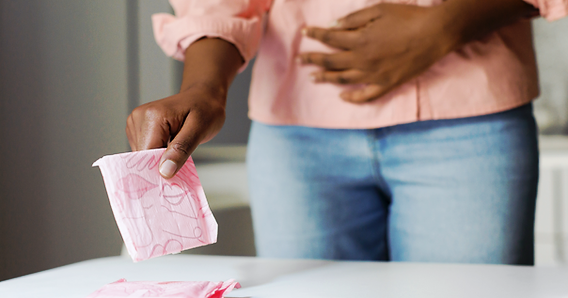
Millions of South African girls and women use menstrual pads every month. It’s routine. It’s necessary. And most people assume these products are safe.
But now, nine menstrual pad suppliers are officially under investigation after a university study found hormone-disrupting chemicals in popular menstrual products.
The National Consumer Commission (NCC) confirmed it has launched a probe following research conducted by the University of the Free State (UFS).
Read the official NCC media statements.
How did this start?
The concern began with a peer-reviewed study titled:
The presence of endocrine disrupting chemicals in sanitary pads: A study done in South Africa
Researchers tested:
- 16 menstrual pad brands
- 8 pantyliner brands
Every product tested contained at least two endocrine-disrupting chemicals (EDCs).
Professor Deon Visser from UFS said:
“Our study highlights a concerning reality regarding the safety of menstrual products. Many menstrual pads and liners contain hormone-disrupting chemicals, even when they are marketed as being ‘free from harmful chemicals’.”
What chemicals were found?
The research focused on three major groups of endocrine disruptors:
- Phthalates
- Bisphenols (including BPA)
- Parabens
Findings showed:
- Bisphenols were detected in 100% of menstrual pads tested.
- Parabens were found in more than 81% of pads.
- Phthalates appeared in 50% of pads and all pantyliners tested.
These chemicals interfere with the body’s hormone system and may affect growth, fertility, and overall health. You can read more about their effects in studies on endocrine disruptors in menstrual products.
Why long-term exposure is riskier
The levels in one pad may seem small, but menstrual products touch mucosal tissue, which absorbs chemicals faster than normal skin. Most women use these products for several days each month — for decades.
Repeated exposure could increase risks linked to hormonal imbalance, infertility, endometriosis, and certain cancers.
Professor Visser explained:
“The heat-pressing process can cause these chemicals to move into the top layer that touches your skin.”
He added:
“This study serves as a wake-up call that current regulations and ‘clean’ labels in South Africa may not be providing the protection consumers expect.”
These are the 9 suppliers now under investigation
The NCC confirmed it is investigating the following companies:
- Kimberly-Clark of SA (Pty) Ltd (Kotex)
- Procter & Gamble (Pty) Ltd (Always)
- Anna Organics
- The Lion Match Company (Pty) Ltd trading as Comfitex
- Here We Flo trading as Flo
- Johnson & Johnson (Pty) Ltd trading as Stayfree
- Premier Group of Companies trading as Lil-lets
- Essity Hygiene and Health AB trading as Libresse South Africa
- My Time
Acting Commissioner Hardin Ratshisusu said:
“The findings of the study raise serious concerns affecting women and girls that warrant an investigation, making this a priority investigation.”
The NCC is assessing whether these suppliers comply with Sections 55 and 24 of the Consumer Protection Act, which require goods to be safe and fit for purpose. Suppliers have been asked to conduct further tests or submit recent laboratory results. Once reviewed, the NCC will decide whether product recalls under Section 60 are necessary.
At this stage, no recall has been announced.
Political pressure and public health concerns
The investigation follows calls from the Democratic Alliance (DA), urging regulators to act quickly and ensure full ingredient transparency.
They argued that menstrual hygiene products are essential items used by:
- Schoolgirls
- Working women
- Vulnerable communities relying on dignity programmes
This comes shortly after another consumer product investigation made headlines:
SA stores impacted by ButtaNutt peanut butter recall
What happens next?
The NCC says suppliers will have an opportunity to respond before a final decision is made.
The Commission will also engage with other regulatory authorities during the investigation.
For now:
- The probe is ongoing.
- No products have been officially recalled.
- Laboratory results are being reviewed.
This story is still developing. For millions of South African girls and women, the outcome could shape how menstrual pads are regulated — and how transparent companies must be about what’s inside the products people rely on every month.