

JOHANNESBURG — The National Prosecuting Authority (NPA) has finally confirmed it will prosecute the officials behind the Life Esidimeni tragedy. Nearly ten years after more than 140 mental health patients died “negligently”, families edge closer to long-awaited justice.
The decision breaks years of frustration and silence for the bereaved families. Between 2015 and 2016, one of South Africa’s worst healthcare disasters unfolded after a series of Gauteng Department of Health failures saw vulnerable patients moved from licensed facilities to unregistered NGOs. Many starved or died from the neglect.
The NPA says it now has enough evidence to pursue criminal charges, including culpable homicide. Advocacy groups, including the Section27 Life Esidimeni campaign, have spent years pushing for this moment.
NPA spokesperson Lumka Mahanjana acknowledged the long delays but defended the process. She said the complexity of the case and the volume of evidence demanded a thorough approach. Still, the drawn-out wait has deeply frustrated families and civil society groups who have fought for accountability since 2016.
“After he was briefed, the NDPP, Advocate Andy Mothibi, expressed appreciation at the progress and that the affected families and public needed to be informed,” Mahanjana said.
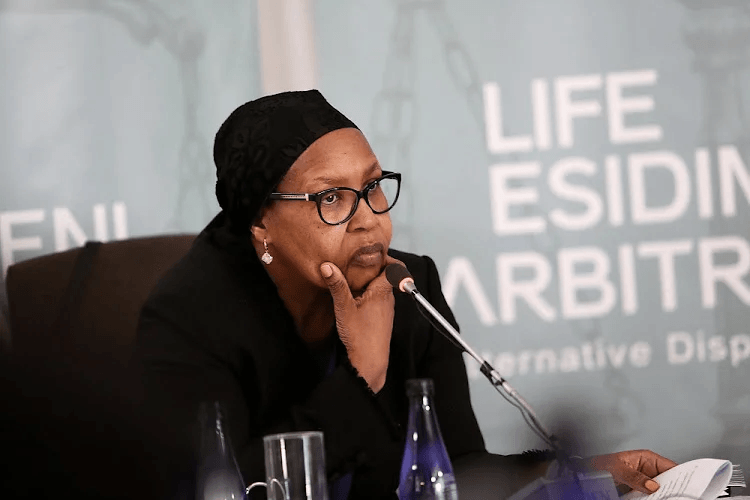
The prosecutions follow a 2021 inquest led by Judge Mmonoa Teffo. That court found that negligence and systemic failures inside the provincial health department directly caused most of the deaths. The judge also named former Gauteng Health MEC Qedani Mahlangu and former Mental Health Director Dr Makgabo Manamela as people who could face criminal liability.
The NPA has now started informing those to be charged through their legal representatives. Court dates and specific charges should follow soon.
For families who have waited years, this announcement feels like the first real step toward justice. According to a statement from Life Esidimeni memorial resources, 144 people lost their lives “from neglect and starvation… at the hands of those who were supposed to protect them.” Many have called this one of democratic South Africa’s gravest human rights violations.
Civil society warns that prosecutions must mean more than symbolism. Senzo Msiza from the South African Federation for Mental Health put it plainly in an opinion piece on the tragedy’s human rights perspective. “The Life Esidimeni tragedy reinstates the urgent need for a human-rights-centred approach to healthcare governance,” he said. “The absence of accountability from government officials defeats the means of justice.”
The NPA’s move now pushes South Africa toward a historic legal process. For the first time, senior government officials could face criminal responsibility for failures in public office.
The country now watches closely as all eyes shift to the courts. For 144 families, one question remains: will justice finally arrive? For the first time in nearly a decade, that answer feels one step closer.
For more context on recent public health claims, read our clarification on the R1200 false HIV grant claim.