


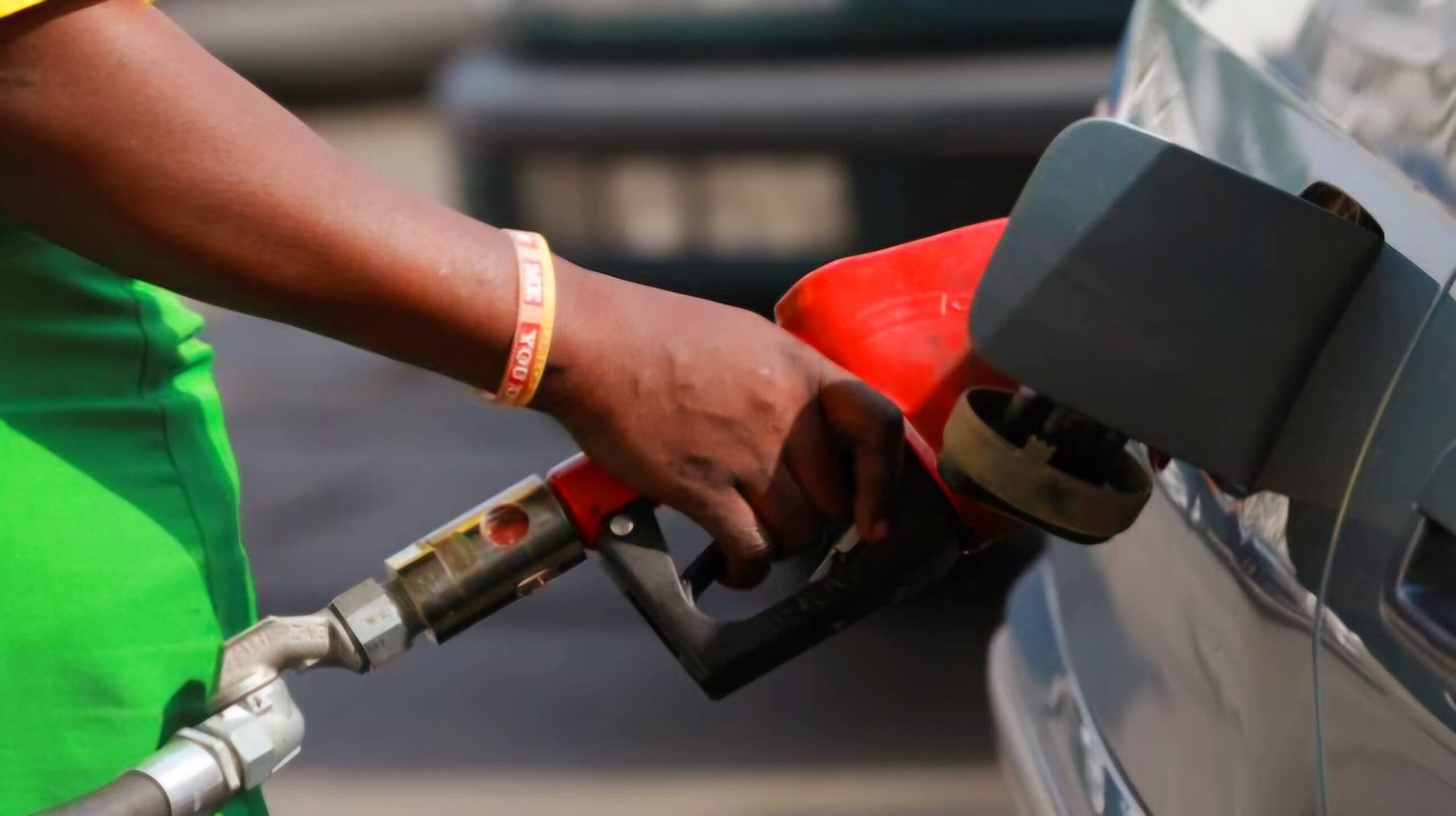
JOHANNESBURG – New Year fuel cheer: Major drop in petrol and diesel this January in South Africa
South African motorists are heading into 2026 with rare and welcome relief, as fuel prices are expected to fall sharply when the new adjustments take effect in early January.
The latest data from the Central Energy Fund (CEF) shows that by the end of the fourth week of December, fuel price recoveries had strengthened significantly — all but guaranteeing a petrol and diesel price cut in the first week of the new year.
After starting December in negative territory, recoveries swung decisively into the positive, with petrol adding a further 15 cents in gains over the past week alone. Diesel has performed even more strongly.
According to the most recent CEF daily snapshot, these are the expected fuel price changes heading into January 2026:
Expected fuel price changes (Week 4 projections)
- Petrol 93: decrease of 46 cents per litre
- Petrol 95: decrease of 51 cents per litre
- Diesel 0.05% (wholesale): decrease of 124 cents per litre
- Diesel 0.005% (wholesale): decrease of 136 cents per litre
- Illuminating paraffin: decrease of 85 cents per litre
With one final pricing week bleeding into early January, a petrol and diesel price cut is now virtually guaranteed.
Why fuel prices are falling
The sharp improvement is being driven by two powerful tailwinds:
a stronger rand and a weaker global oil price — a combination that directly benefits South African fuel imports.
December is traditionally marked by lower global trading volumes as markets slow for the festive season. Yet the limited activity that did take place proved overwhelmingly positive for local consumers.
Ahead of Christmas and the Day of Goodwill, the rand strengthened notably against the US dollar, supported by a commodity rally led by gold and platinum. By the end of the week, the rand was trading at around R16.65 to the dollar.
ETM Analytics summed it up bluntly:
“The rand appears to be ending 2025 on the front foot.”
The currency is now on track for gains of more than 12% against the dollar for the year, helped by improved fiscal discipline, easing inflation and strong export prices — all factors that continue to cushion fuel costs.
A sharp turnaround after months of volatility
January’s fuel relief also follows a rollercoaster final quarter, where prices moved sharply month to month:
- October: cautious forecasts amid global uncertainty
👉 October fuel price outlook - November: major petrol relief, down 60 cents
👉 November fuel drop - December: prices jumped again by up to 82 cents
👉 December fuel hike
Despite December’s increase, the broader trend has turned decisively positive — reinforcing earlier signals that fuel prices were approaching their lowest levels since 2021
👉 Lowest fuel prices since 2021
United States targets oil — but prices stay contained
Globally, oil markets have not been without drama.
Brent crude has rebounded above $60 a barrel, briefly touching $62 before Christmas, marking its strongest weekly gain since late October. The uptick followed reports of US action targeting Venezuelan oil shipments and military strikes against militant groups in Nigeria.
Despite these geopolitical flare-ups, Brent crude remains down roughly 16% for the year, putting it on track for its biggest annual decline since 2020. Most major traders continue to forecast a global oil surplus in 2026, as production rises both within and outside OPEC+.
That expected oversupply has helped keep a firm lid on prices — and by extension, protected South African motorists from global shocks.
Relief beyond the pumps
The fuel price drop lands at a critical moment for households already under pressure — even as interest rates have begun easing.
Lower fuel costs are expected to ripple through transport, food prices and logistics, offering indirect relief well beyond the forecourt.
When do the new prices take effect?
Fuel price changes will officially take effect on Wednesday, January 7, 2026, with the Department of Petroleum and Mineral Resources expected to announce final figures shortly before implementation.
For millions of South Africans heading back to work, school runs and long-distance travel, January’s fuel drop may be the best New Year gift yet.
NOWinSA — Stories Shaping South Africa Today