

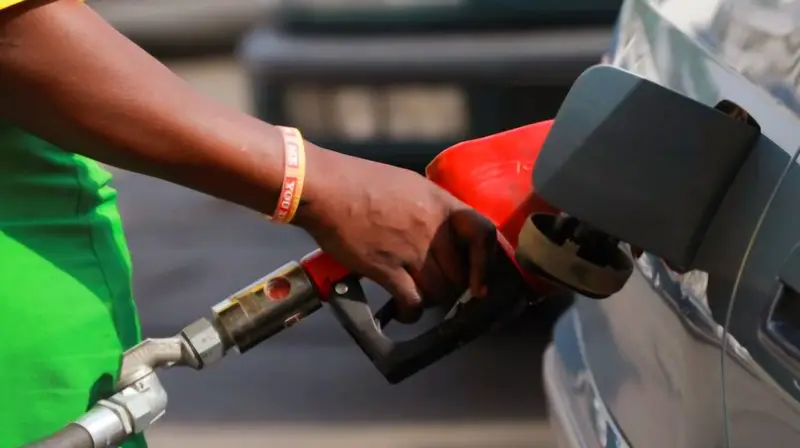
South African motorists and consumers will start 2026 with confirmed relief at the pumps, as the Department of Mineral Resources and Petroleum (DMRP) announced official price decreases for both petrol and diesel, effective Wednesday, January 7, 2026. The adjustments reveal a split in the scale of relief, with diesel seeing a dramatic cut and petrol registering a smaller, yet welcome, decrease.
The Department stated that the decreases were driven by a stronger rand and lower international oil prices.
“The average international product prices for Petrol, Diesel and Illuminating Paraffin decreased during the period under review,” the DMRP said.
It confirmed, “The Rand appreciated against the US Dollar during the period under review, on average, when compared to the previous period.”
Official January 2026 Fuel Price Adjustments
The official figures, as published by the DMRP and confirmed in the Central Energy Fund (CEF) schedule, are as follows per litre:
- Petrol 93: Decrease of 62 cents
- Petrol 95: Decrease of 66 cents
- Diesel 0.05% (wholesale): Decrease of 137 cents
- Diesel 0.005% (wholesale): Decrease of 150 cents
- Illuminating Paraffin (wholesale): Decrease of 110 cents
- LPGAS: Increase of 21 cents per kilogram
For continuous updates on daily price changes, visit the Automobile Association’s fuel pricing page.
New Prices at the Pump
Here is how the price changes will reflect at the pumps nationwide from January 7 (Note: Diesel prices listed are wholesale; retail pump prices will differ):
Inland Prices (Gauteng):
- 93 Petrol: R20.64 (down from R21.26)
- 95 Petrol: R20.75 (down from R21.41)
- Diesel 0.05%: R18.41 (down from R19.78)
- Illuminating Paraffin: R12.63 (down from R13.73)
Coastal Prices:
- 93 Petrol: R19.85 (down from R20.47)
- 95 Petrol: R19.92 (down from R20.58)
- Diesel 0.05%: R17.58 (down from R18.95)
- Illuminating Paraffin: R11.62 (down from R12.72)
The DMRP attributed the favourable conditions to a stronger local currency and subdued global oil markets.
“The average Rand/US Dollar exchange rate for the period December 4, 2025 to January 1, 2026 was 16.8485 compared to 17.2343 during the previous period,” the department noted.
It added, “The main contributing factor [for lower oil prices] is the oversupply of oil in the market due to increased production by Opec+ and non-Opec producers.”
This confirmation aligns with NOWinSA’s earlier prediction of significant fuel price relief and follows a period of fluctuation in late 2025, which included a notable hike in December after the biggest relief of the year in November.
A Boost for the Inflation Fight
The confirmed cuts, particularly the substantial decrease for diesel, are a positive signal for South Africa’s inflation trajectory. Fuel prices are a key driver of inflation, impacting not only motorists but also transport and energy costs that ripple through the entire value chain to consumers.
This relief provides a favourable backdrop for the South African Reserve Bank’s monetary policy, potentially supporting the case for sustained interest rate cuts.
The rand’s performance has also been a crucial factor, with analysts noting its resilience and positive momentum into 2026. As discussed in the RMB analysis on the rand’s “new normal” and Investec’s economic outlook, a firmer local currency directly translates to lower imported fuel costs — a crucial stabilizer for domestic inflation.
Bottom line
The confirmed January 2026 fuel price adjustments deliver clear, quantifiable relief. Diesel’s major drop promises to lower input costs across logistics, agriculture, and transport sectors, while the decrease in petrol prices puts direct savings back into motorists’ pockets.
With real-time price tracking available via the AA and official confirmation from the CEF, this development marks a positive economic story for South Africa at the start of the new year — and a promising sign that inflation pressures may continue to ease in 2026.
Stories Shaping South Africa Today — NOWinSA.