


South Africa – The Gauteng Department of Health issued a warning after malaria cases climbed sharply in the province.
Officials recorded 414 cases and 11 deaths between January and March 2026. That number more than doubles the figures from the same period last year.
Health officials link the rise to holiday travel to high-risk areas like Limpopo, Mpumalanga and neighbouring countries. Many people return home already infected without realising it, while recent flooding has created ideal breeding conditions for mosquitoes.
You can read more about travel risks linked to infectious diseases before planning your next trip – especially if you are pregnant.
What causes malaria and why early treatment matters
Malaria is a life-threatening disease spread by infected mosquitoes. Once transmitted, parasites attack the body.
Without treatment, malaria can become deadly within 24 hours. But officials stress that early treatment saves lives, and prevention works.
Malaria symptoms to watch and when to seek help
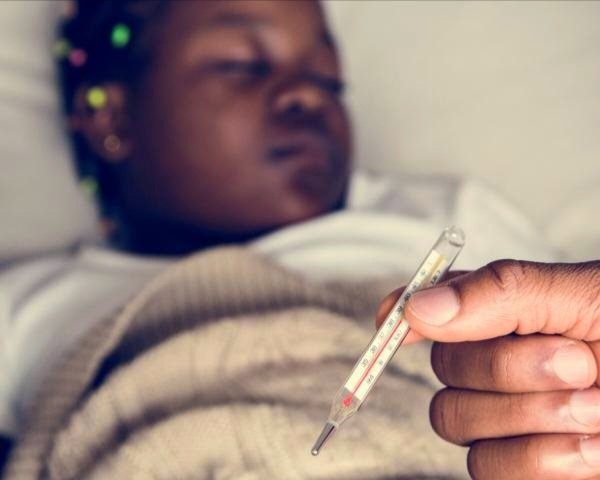
Mild malaria symptoms come and go, making them easy to ignore or mistake for flu. Watch for fever, headache, body aches, weakness, nausea, vomiting and flu-like signs.
Health authorities say: visit your nearest clinic or doctor as soon as symptoms appear. A quick test gives clear answers, and treatment works well when you start it early.
In a social media post shared by the Gauteng Department of Health, as shown in the X (formerly Twitter) thread below, residents are urged to act without delay:
Learn more about mild malaria symptoms and why early diagnosis matters.
Personal stories highlight malaria risk in Gauteng
Media personality Ntsiki Mazwai spent weeks in hospital after catching malaria. She did not travel to any known malaria area – she got sick while working in Johannesburg.
“I literally almost died,” she wrote on X. “You lose your mind and become delirious. Any signs of fever or changes in your bodies, please go to the doctor immediately.”
Mazwai said doctors did not pick up her malaria at first. Her sister-in-law’s cousin in America diagnosed it from a distance after hearing her symptoms. “That’s how they got it,” she said.
Another social media user shared a similar story: “My son had malaria at the end of December through to January. Our GP picked it up right away and luckily he began treatment immediately. But even with that, we worried we’d lose him. It is a deadly disease!”
Health advisory warns against delays in testing
During the COVID-19 pandemic, many people avoided clinics because symptoms overlapped with malaria. That led to late diagnoses and more severe illness. Officials say this pattern must not repeat. The far-reaching impact of COVID-19 showed how fear can strain health systems, and residents are urged to test early.
Experts also warn against panic. While the rise in cases is serious, malaria remains manageable with the right response. Officials say the focus should be on awareness, early testing and quick action — not fear.
The warning arrives just before World Malaria Day on April 25, with a call to action to protect children globally. Malaria remains a leading cause of death for children in high-burden countries. Authorities say early action saves lives – for both adults and children.
Malaria prevention tips for households and travellers
Residents can protect themselves. Use insect repellent. Sleep under a mosquito net. Wear long sleeves and pants at night. Remove standing water where mosquitoes breed.
Recent heavy rains and flooding in Limpopo and Mpumalanga, as well as other storm-prone parts of the country, left stagnant water, allowing mosquito populations to grow and spread the disease.
All countries in the Southern African Development Community are malaria-risk areas, except Lesotho and Seychelles. Travellers should take extra precautions when visiting these regions.
One concerned resident wrote online: “With rising global temperatures we’re seeing malaria regions all over the world spread, as well as extended transmission seasons. DOH needs to be more proactive in educating us.”
Officials say: do not ignore the signs. If you feel unwell after travel, get tested without delay.