

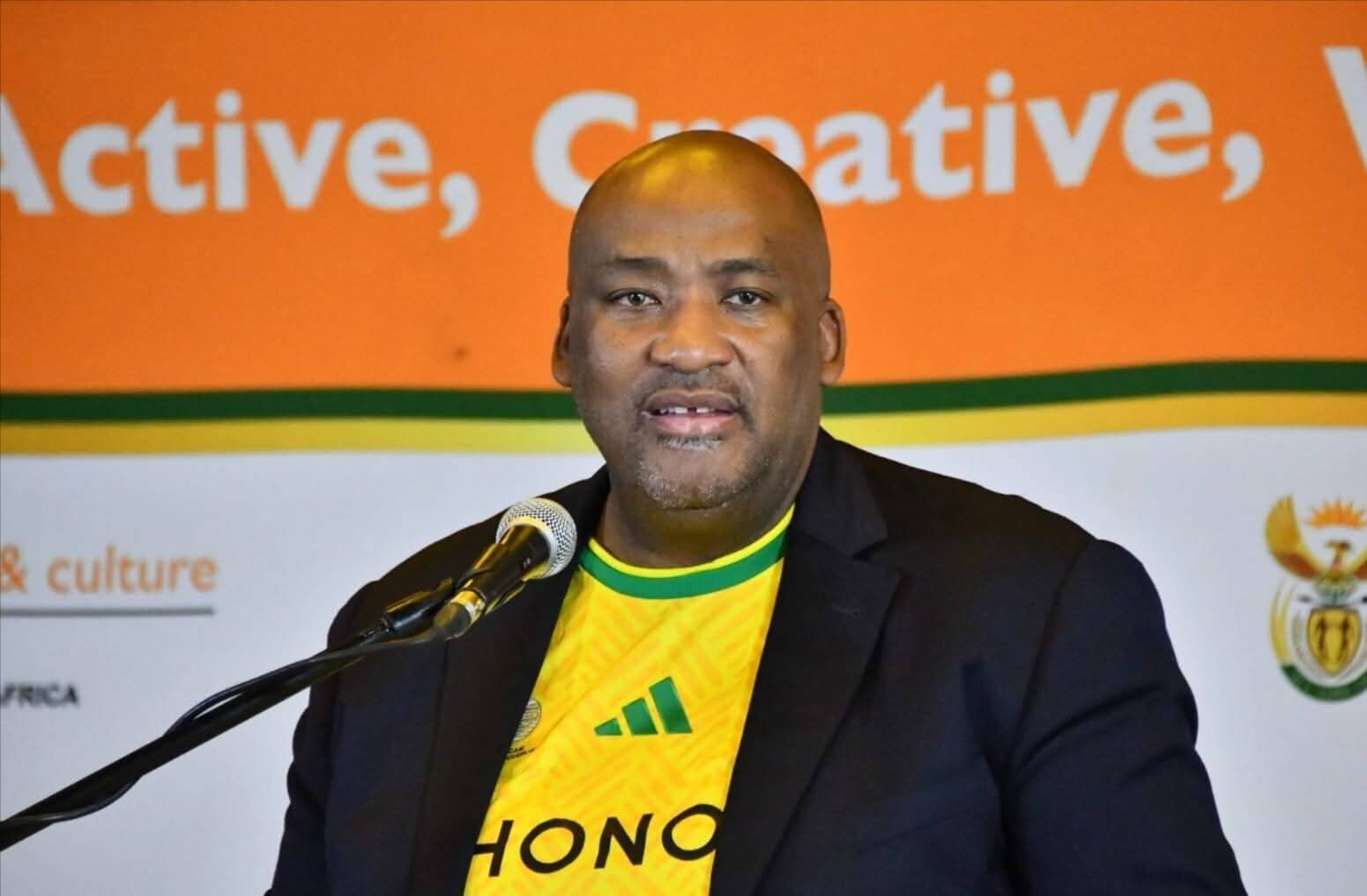
South Africa’s Minister of Sport, Arts and Culture, Gayton McKenzie, has unveiled plans to send a delegation of local artists to the 2026 FIFA World Cup, positioning the initiative as a cultural showcase.
However, the move has sparked a growing backlash over spending priorities and the exclusion of emerging talent and grassroots sporting structures in favour of established mainstream acts.
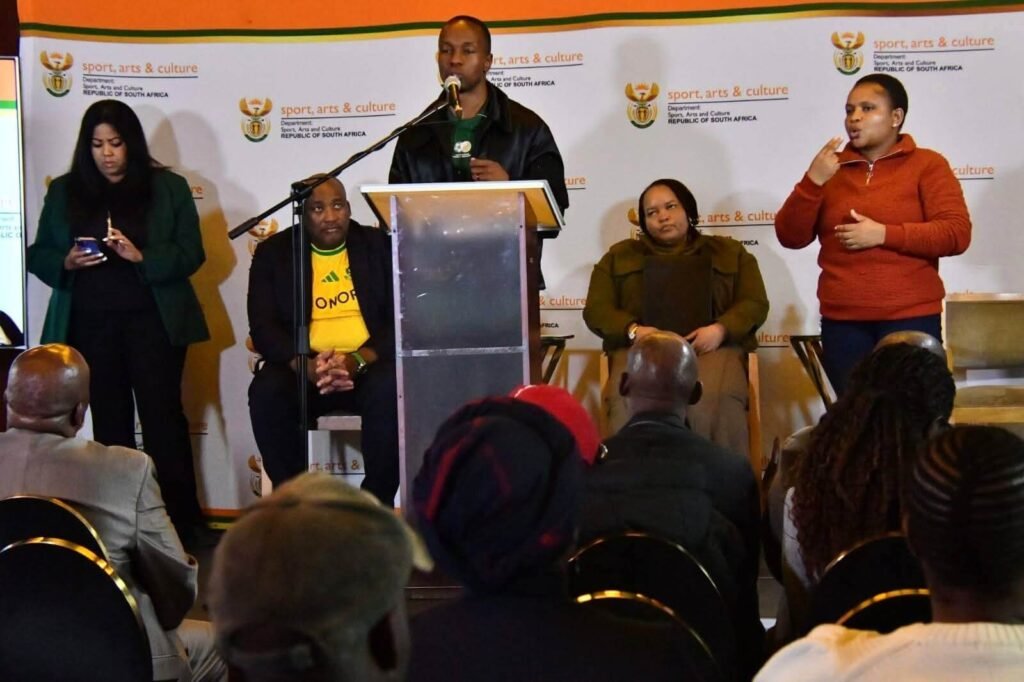
Speaking at a media briefing at Freedom Park in Pretoria, which NOWinSA attended, McKenzie outlined a vision that blends sport, heritage, and sound.
The announcement forms part of the “Mzansi to the World Cup” lucky fans competition, which will see 20 South African supporters win fully funded trips to attend a Bafana Bafana group-stage match.
The Department encourages all South Africans to take part in this exciting campaign by visiting the DSAC website.
The initiative builds on renewed optimism around the national team’s progress following recent triumphs that helped strengthen World Cup hopes for the squad as they prepare to watch FIFA 2026 World Cup action live across the continent.
Expanding the fan experience across North America
The 2026 edition marks a historic shift as the first World Cup ever hosted by three nations: the United States, Mexico, and Canada.
While the United States will host 78 of the 104 matches, the early stages are a joint effort spread across the continent.
Mexico will host the tournament’s opening match and fixtures in Mexico City, Guadalajara, and Monterrey, while Canada welcomes fans to Toronto and Vancouver.
During the briefing, McKenzie confirmed that the delegation will include up to 20 artists. Established acts such as Mafikizolo and Mi Casa, who celebrate 30 and 15 years in the industry respectively in 2026, will feature prominently.
“We will take Mi Casa and Mafikizolo to the Americas. We are not taking background music, we are taking the soundtrack of modern South Africa. They will go with 18 other acts,” McKenzie confirmed.
These artists will perform at Ekhaya fan parks during Bafana Bafana World Cup fixtures, including their opening match against Mexico on June 11, 2026.
The broader delegation also includes chefs, media personalities, and creatives, with activations planned to mirror the energy of a FIFA fan fest across Mexico City, Atlanta, and Monterrey.
In its official statement, the DSAC noted:
“The initiative forms part of DSAC’s broader commitment to uniting the nation through sport, promoting national pride, and showcasing the energy and spirit of Mzansi on the global stage.”
Critics question “diabolical” spending and Mama Joy fallout
The announcement triggered a wave of criticism on social media, where users questioned using taxpayer funds to support established artists. One widely shared post on X argued: “Using taxpayers’ money to take artists to the World Cup is diabolical. What’s Mafikozolo and MI Casa’s affiliation to soccer anyway?”
This scrutiny follows previous public statements by Minister McKenzie regarding his commitment to fiscal discipline.
The debate has revived tensions regarding his earlier decision to end government-funded trips for individual superfans, which led to a public feud with Mama Joy Chauke.
McKenzie previously defended the policy shift by stating:
“Why should I lie using diplomatic language. Our policy is not under review… We are not going to pay for super fans as a department. It’s unfair because South Africa is full of super fans.”
Critics now point to a perceived contradiction between cutting support for superfans like Mama Joy to save money while backing a high-profile artist delegation for the same tournament.
2026 fan experience and Mandela Day
Despite the backlash, some industry leaders have stepped forward to defend the strategy. Morris Roda of the Promoters Forum commended the Minister for providing “ordinary” South Africans an opportunity to experience a global event of this magnitude.
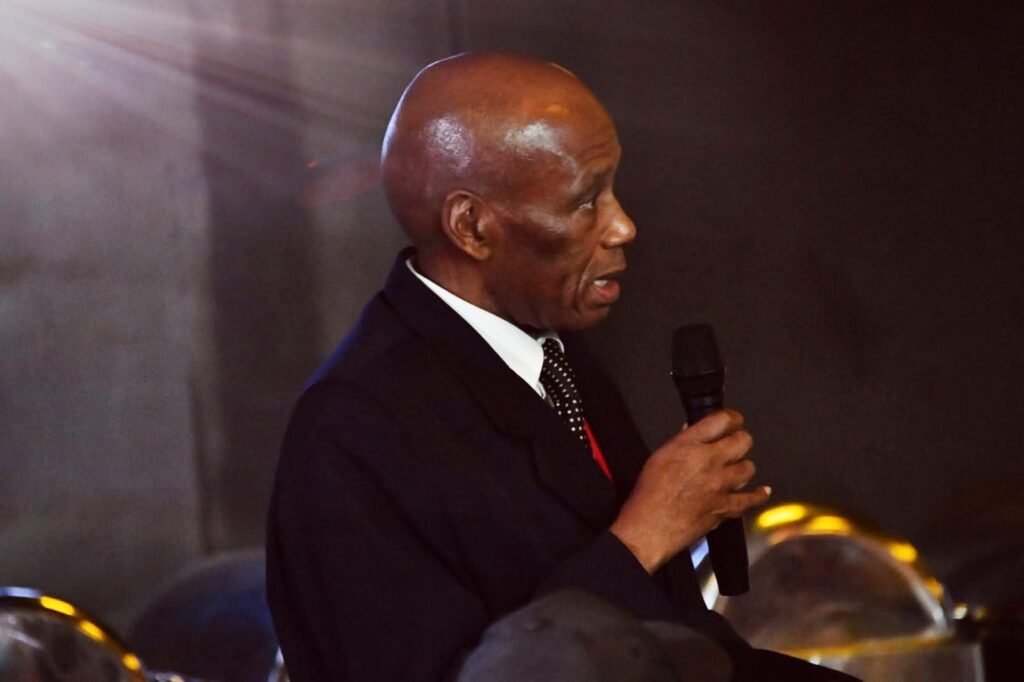
“It is a difficult situation in our country where you face criticism whether you take action or stay idle,” Roda noted. “We commend Minister McKenzie for ensuring that ordinary South Africans—the lucky fans—who wouldn’t normally afford an event of this magnitude, can attend. For many, this will be the first time they board a plane or travel overseas.”
Roda further highlighted the importance of the selected acts in the broader context of cultural diplomacy, noting that the World Cup performances are part of a larger global calendar. Several of the 20 artists, including Mafikizolo, are also scheduled to perform in London for the International Mandela Day festivities on July 18.
”We can never say ‘thank you enough’ to Nelson Mandela and other liberation leaders. This is cultural diplomacy at its best—our artists raising our flag for the world to take notice. For that, it is money well spent,” Roda added.
Controversial music executive Nota Baloyi also dismissed critics, as seen in the X post below, suggesting the department is simply fulfilling its mandate by supporting the creative economy, in this case cultural exports.
Supporters like Roda and Baloyi believe that showcasing established acts like Mafikizolo and Mi Casa provides a “soundtrack” to the South African identity that can attract global interest and tourism.
As the countdown to 2026 continues, the department faces pressure to justify its approach and ensure more South Africans feel included in the journey to the Americas.
Whether the artist plan is seen as a success will likely depend on how effectively government balances global ambition with local expectations.