

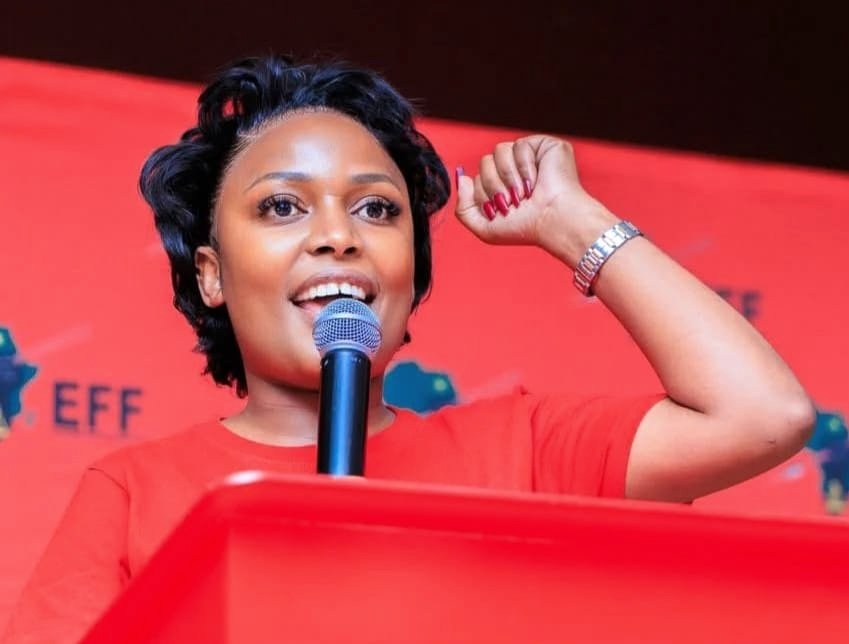
The EFF has opened a criminal case against Tshwane Executive Mayor Dr Nasiphi Moya and the City Manager over the failure to chlorinate water at the Bronkhorstspruit Water Treatment Plant.
The development has exposed tensions within the city’s governing coalition as residents continue to grapple with the Bronkhorstspruit water crisis.
A government investigation found that the City of Tshwane failed to warn residents about unsafe tap water, with 408 gastrointestinal illness cases reported, most involving children under four.
The EFF’s move has drawn a sharp response from coalition partner ActionSA, which questioned the party’s attempt to hold the administration accountable while occupying key positions in government.
EFF criminal case raises questions over Tshwane accountability
ActionSA said the EFF was entitled to demand accountability but could not portray itself as an opposition party while serving in the multiparty coalition governing Tshwane.
In a statement on Tuesday, October 20, ActionSA noted that the EFF holds the environment and agriculture management and health portfolios in the mayoral committee.
The party argued that both portfolios have a role in the broader crisis, which involves environmental contamination, public-health surveillance and community awareness.
The EFF has acknowledged the failure to chlorinate water at the Bronkhorstspruit Water Treatment Plant.
Chlorination involves adding chlorine to drinking water to kill or inactivate harmful microorganisms.
Without adequate disinfection, contaminated water can expose residents to waterborne diseases, including diarrhoea, cholera and typhoid, according to the World Health Organization (WHO).
Chlorination is not a substitute for other necessary treatment processes, but it is a critical barrier against disease-causing pathogens.
ActionSA acknowledged that the operational failure to chlorinate water falls within the water and sanitation function.
The party said the city’s Chief Operations Officer had been tasked with investigating the failures.
It called for consequences wherever negligence or misconduct is established.
ActionSA also pointed to ongoing efforts to rehabilitate the plant, including R20.8 million in expenditure during the 2025/26 financial year and a further R57 million approved for the current year.
Tshwane health MMC demands accountability over water crisis
Meanwhile, Tshwane MMC for Health Tshegofatso Mashabela defended her department’s response to the crisis, saying health officials had been working in affected communities alongside the district health authorities.
In a post on X, Mashabela questioned criticism over her office’s involvement and challenged calls for the mayor to be accompanied by other officials during community engagements.
“This is not the time for pictures and political grandstanding. It is a time for accountability and decisive action,” she wrote.
Mashabela also questioned why the Group Head of Regional Operations and Coordination (ROC) remained in office, arguing that the official should be suspended while investigators establish what went wrong.
She called for a transparent investigation into the treatment plant’s failures and the responsibilities of officials involved.
“The people of Bronkhorstspruit deserve answers, decisive action and consequences for those whose negligence or failure to act contributed to this crisis not cameras,” she said.
Five communities affected by unsafe water
The crisis has affected Zithobeni, Dark City, Bronkhorstspruit, Rethabiseng and Sokhulumi, where authorities have been working to provide safe alternative drinking water.
Residents can find details of where to access safe water in the affected communities.
The investigation into the failures at the plant and the failure to warn residents promptly will be central to determining accountability.
The EFF’s planned criminal case adds pressure on the city’s leadership as questions persist over how the crisis was allowed to unfold.
Follow our latest breaking South African news for further developments.