

Key points
- Kelly Osbourne denies using Ozempic, saying her weight loss followed the death of her father, Ozzy Osbourne.
- Ozempic is officially approved only for Type 2 Diabetes in South Africa but may be prescribed off-label for weight loss.
- Monthly treatment costs range between R3,000 and R6,000, limiting access for many South Africans.
- Doctors say demand is rising as obesity is increasingly recognised as a chronic metabolic disease.
JOHANNESBURG, South Africa — Ozempic has returned to the global spotlight after Kelly Osbourne appeared noticeably slimmer at a recent awards event, sparking renewed debate around the weight-loss drug.
But while social media quickly turned the moment into “Ozempic speculation,” her story — and the reality for thousands of South Africans — is far more complex than a weekly injection.
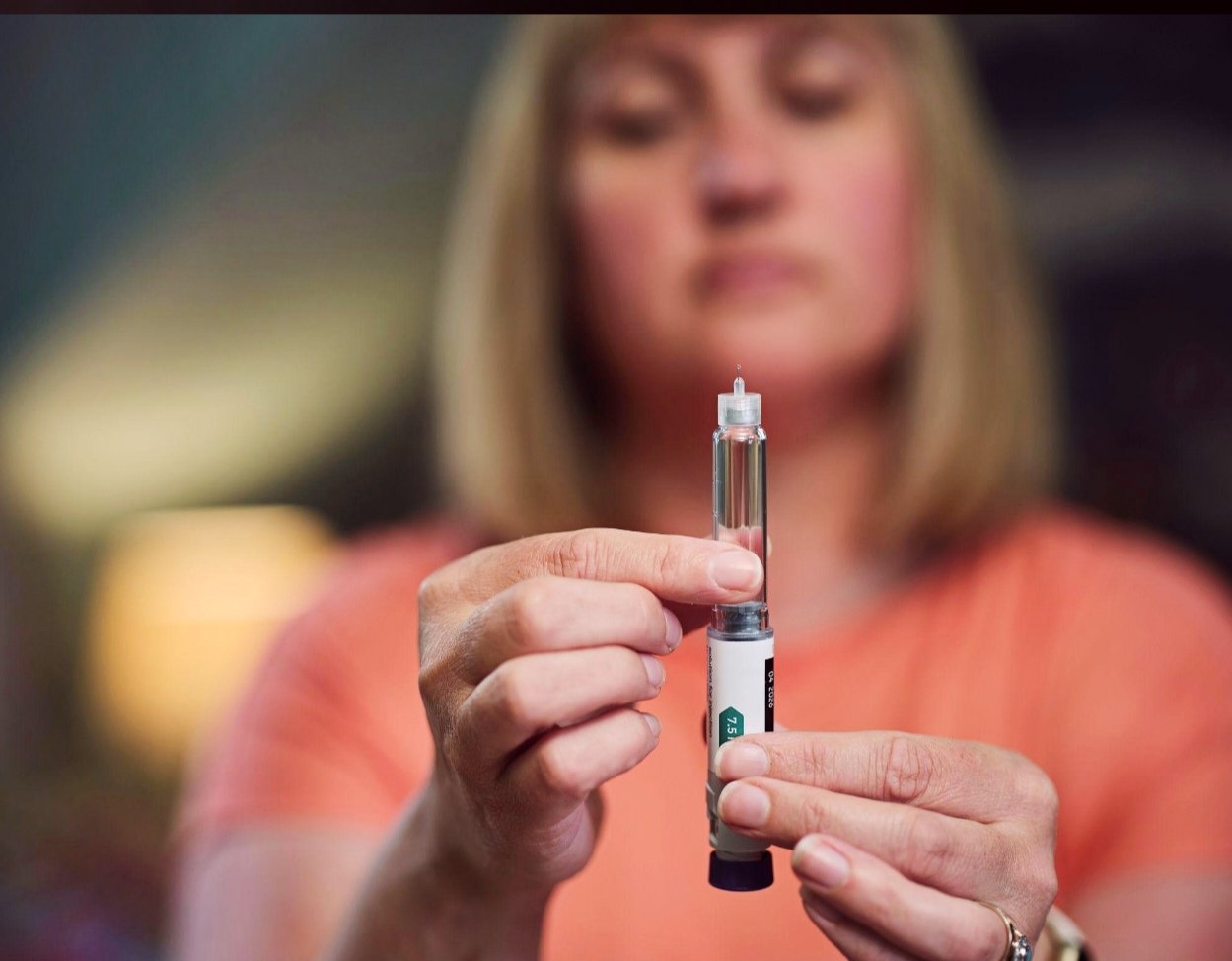
South Africa is quietly becoming part of the global Ozempic boom. While Hollywood debates the ethics of the drug, doctors in cities like Johannesburg say demand for semaglutide prescriptions has surged as patients search for medical solutions to obesity and metabolic disease.
The conversation also comes as South Africa’s diabetes crisis reaches a turning point — a public health challenge closely tied to rising obesity rates.
The Kelly Osbourne controversy: grief or ‘the Ozempic jab’?
Kelly Osbourne has denied using Ozempic for her recent weight loss, saying the changes followed the emotional trauma of losing her father, Ozzy Osbourne, in July 2025.
Responding to critics who described her appearance as “frail,” she wrote on Instagram:
“My life is completely flipped upside down. I don’t understand why people expect me to bounce back… these mean comments are helping nobody.”
Her comments highlight how quickly weight changes are now linked to Ozempic — whether the drug is involved or not.
Is Ozempic legal for weight loss in South Africa?
Yes. Doctors may prescribe Ozempic for weight loss off-label, provided patients give informed consent.
However, the drug is officially registered only for Type 2 Diabetes by the South African Health Products Regulatory Authority.
Readers can review the official guidance in the SAHPRA semaglutide FAQ.
Doctors often prescribe it off-label because:
- Wegovy delays: The dedicated weight-loss version of semaglutide has been slow to reach South Africa.
- Proven clinical results: Studies show semaglutide can help patients lose 10–15% of body weight.
Related: Beyond the Scale: How SA’s Pioneers of Science-Led Aesthetic Wellness Built an Empire — Why the shift toward clinical beauty is reshaping the local luxury market.
Global trends vs local costs
Globally, public figures have helped bring attention to GLP-1 medications. Actor Whoopi Goldberg has spoken publicly about using them to treat obesity as a metabolic disease.
But South Africans face a different reality:
- High cost: Treatment can range between R3,000 and R6,000 per month.
- Medical aid limits: Schemes including Discovery Health typically fund the medication only for Type 2 Diabetes.
- PMB gap: Obesity is not yet recognised as a Prescribed Minimum Benefit.
The shift toward medicalised weight management mirrors the rise of South Africa’s science-led aesthetic wellness industry.
South African doctors explain the Ozempic boom
The debate around Ozempic recently featured on CapeTalk’s Good Morning Cape Town, where host Lester Kiewit sat down with leading medical experts to discuss the Ozempic dilemma: diabetic lifesaver versus weight-loss trend. Here are the key takeaways from that conversation:”
What exactly does Ozempic do?
Q: How does the drug work?
Prof. Joel Dave — head of endocrinology at University of Cape Town and Groote Schuur Hospital — explains:
“Ozempic belongs to GLP-1 receptor agonists. It stimulates insulin release in Type 2 Diabetes and reduces appetite, which helps with weight loss. It was one of the first drugs to show reduced heart attack risk in diabetic patients.”
Are diabetes patients affected by rising cosmetic demand?
Q: Are shortages an issue?
Prof Dave:
“Yes. When the medication becomes popular off-label, supply strains can occur. Illegal black-market use is also a concern. Patients must use it under professional guidance.”
Does Ozempic fix the root cause of weight gain?
Q: Is this a long-term solution?
Prof Dave:
“No. It helps control appetite and metabolism, but it doesn’t address the underlying causes of weight gain. Lifelong use is often necessary to maintain results.”
Cosmetic weight loss vs medical treatment
Q: How do you distinguish legitimate medical use from cosmetic use?
Dr Charlene Wolberg:
“Obesity is a chronic disease linked to hypertension, cholesterol and diabetes. Patients seeking cosmetic weight loss must be differentiated from those with obesity-related health risks. Ozempic is only part of a broader lifestyle programme including diet, exercise and medical monitoring.”
Can the drug be abused?
Dr Wolberg notes:
“In some communities, patients become ‘addicted’ to Ozempic, trying to reach extremely low weights. This reinforces why only qualified practitioners should prescribe it.”
Understanding Ozempic side effects: headaches, dehydration and vision concerns
While experts emphasise medical monitoring, users on the ground highlight a range of side effects that vary from manageable daily adjustments to serious clinical considerations.
Manageable adjustments: headaches & dehydration
Pounding headaches are frequently reported during the first weeks of treatment. A local user who has been on semaglutide for two years shared a crucial insight with NOWinSA: “Hydration is non-negotiable.” Because the drug often suppresses the body’s thirst signals, drinking 2 to 3 liters of water daily is essential to combat these headaches. If they persist despite high fluid intake, consulting a doctor is the only safe next step.
Physical transformation: avoiding “Ozempic face”
To manage the gaunt, “frail” look often termed “Ozempic face,” fitness experts and seasoned users suggest a two-pronged approach. First, strength training is vital to preserve the muscle mass that is often lost during rapid weight drops. Second, gradual weight loss allows the skin more time to retain its elasticity.
This holistic approach—combining medical aid with physical discipline—is exactly what fueled the rise of South Africa’s pioneers of science-led aesthetic wellness, who successfully scaled their business into a national empire.
Clinical considerations: Vision risks
Research has recently highlighted potential vision-related concerns that require professional monitoring:
- Common issues: Blurred vision and the potential worsening of diabetic retinopathy.
- Rare risks: A condition known as non-arteritic anterior ischemic optic neuropathy (NAION).
Studies published in JAMA Ophthalmology indicate an increased risk of NAION in people taking Ozempic, though experts stress that association does not prove causation. The American Academy of Ophthalmology currently recommends that patients discuss these specific eye risks with their practitioners before starting the journey.
Read More: Rachel Kolisi’s Reinvention: Exits Foundation, Graces Top Health Magazine Cover Amid Siya Split
What does Ozempic cost in South Africa?
- Monthly treatment: R3,200–R6,000
- Most medical aids fund it only for Type 2 Diabetes
- Off-label weight-loss use is not widely covered
Myth vs reality: Is Ozempic safe?
| Myth | Reality |
|---|---|
| It’s a magic shot | It still requires lifestyle changes including diet and exercise |
| Only celebrities use it | Many South Africans use it, though cost is high |
| It has no risks | Side effects can include nausea, headaches, digestive discomfort, and vision changes |
Ozempic in South Africa: quick facts
- Registered for Type 2 Diabetes
- May be prescribed off-label for weight loss
- Costs R3,200–R6,000 per month
- Works best with diet, exercise and medical supervision
The verdict: why Ozempic is reshaping obesity treatment
Medications like Ozempic have moved from niche diabetes treatments to one of the most debated tools in weight management.
The WHO guideline on GLP-1 medicines for obesity recognises these medications as legitimate when used responsibly.
For doctors like Joel Dave, the key message remains balance: medication can aid patients with metabolic conditions — but only alongside lifestyle changes and professional guidance.
More from NOWinSA: Health & Celebrity Deep Dives
- Beyond the Scale: How SA’s Pioneers of Science-Led Aesthetic Wellness Built an Empire
- The Diabetes Crisis: Is South Africa Finally at a Turning Point?
- Rachel Kolisi’s Reinvention: Exits Foundation, Graces Top Health Magazine Cover
What’s your take?
Is Ozempic transforming obesity treatment in South Africa—or creating a risky new trend? We want to hear your perspective.
Share your story: Have you experienced the “Ozempic journey” firsthand? You can reach our newsroom at info@nowinsa.co.za to share your experiences or tips confidentially.
Join the conversation: Follow the discussion on X (formerly Twitter) at @NowInSA and tag us using #NOWinSA.