

The City of Tshwane is stepping up efforts to restore safe drinking water in Bronkhorstspruit, following a contamination crisis that left hundreds of residents ill.
The city is working with Rand Water on urgent treatment work. It has also started disinfecting water tankers supplying affected communities.
However, residents must continue following strict water restrictions until the city confirms the supply is safe.
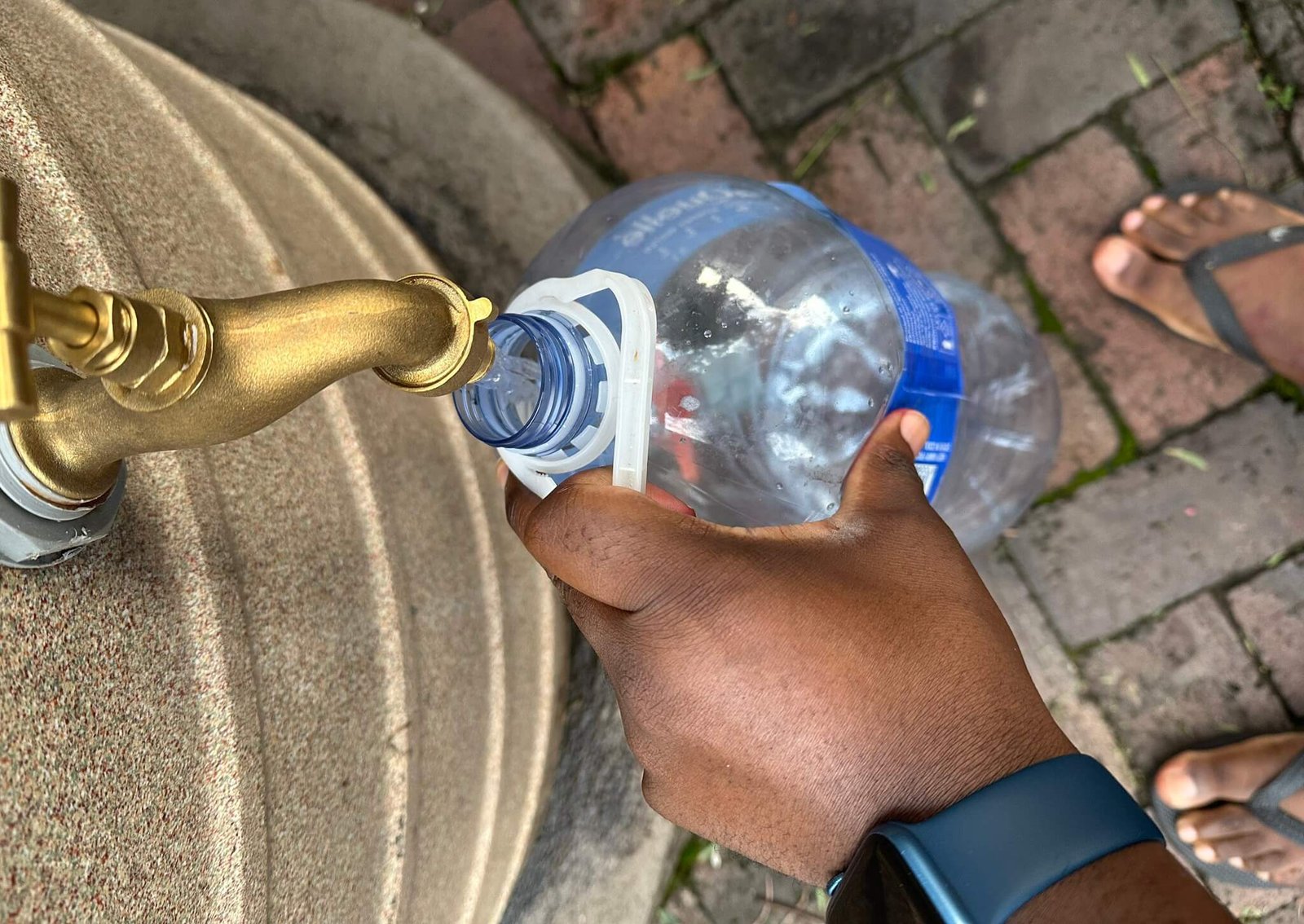
The crisis has affected five communities. Our guide explains where residents can get safe drinking water.
Tshwane intensifies water treatment and tanker checks
The city has started disinfecting water tankers to help ensure the water distributed to residents is safe.
It is also working with Rand Water to address problems at the Bronkhorstspruit Water Treatment Plant.
According to the city’s latest Region 7 update, teams will switch the plant on and off at intervals to carry out treatment work.
Residents may experience water supply interruptions during these interventions.
The city has also begun shock chlorination. This process uses higher chlorine levels to help eliminate harmful microorganisms in the water system.
However, a strong chlorine smell does not confirm that water is safe to use. Testing must establish whether the treatment has worked.
The city has not confirmed when residents can resume normal tap water use.
Water restrictions remain in place
For now, residents must use affected tap water only to flush toilets.
Do not drink it or use it for cooking, brushing teeth, bathing or washing clothes. Avoid using it to clean fruit and vegetables, too.
Boiling the affected tap water does not make it safe for these uses under the current advisory. Residents should discard stored tap water and use safe alternative supplies from authorised water tankers.
The restrictions affect Bronkhorstspruit, Zithobeni, Dark City, Rethabiseng and Sokhulumi.
Investigation exposed failures at the treatment plant
The city’s response follows a government investigation into the water contamination crisis.
The investigation found that water from the plant had not been chlorinated between 24 September and 14 October. It also found that Tshwane failed to warn residents promptly about the unsafe supply.
The city had not met the 2025 Compulsory Standards for Water Services, which require appropriate warnings when water is unsafe.
Our investigation into Tshwane’s failure to warn residents examines the findings and the impact on affected communities.
Residents should follow official City of Tshwane updates until authorities lift the restrictions.
Anyone experiencing diarrhoea, vomiting or stomach cramps after possible exposure should seek medical attention.
Follow our latest breaking South African news for further updates.