


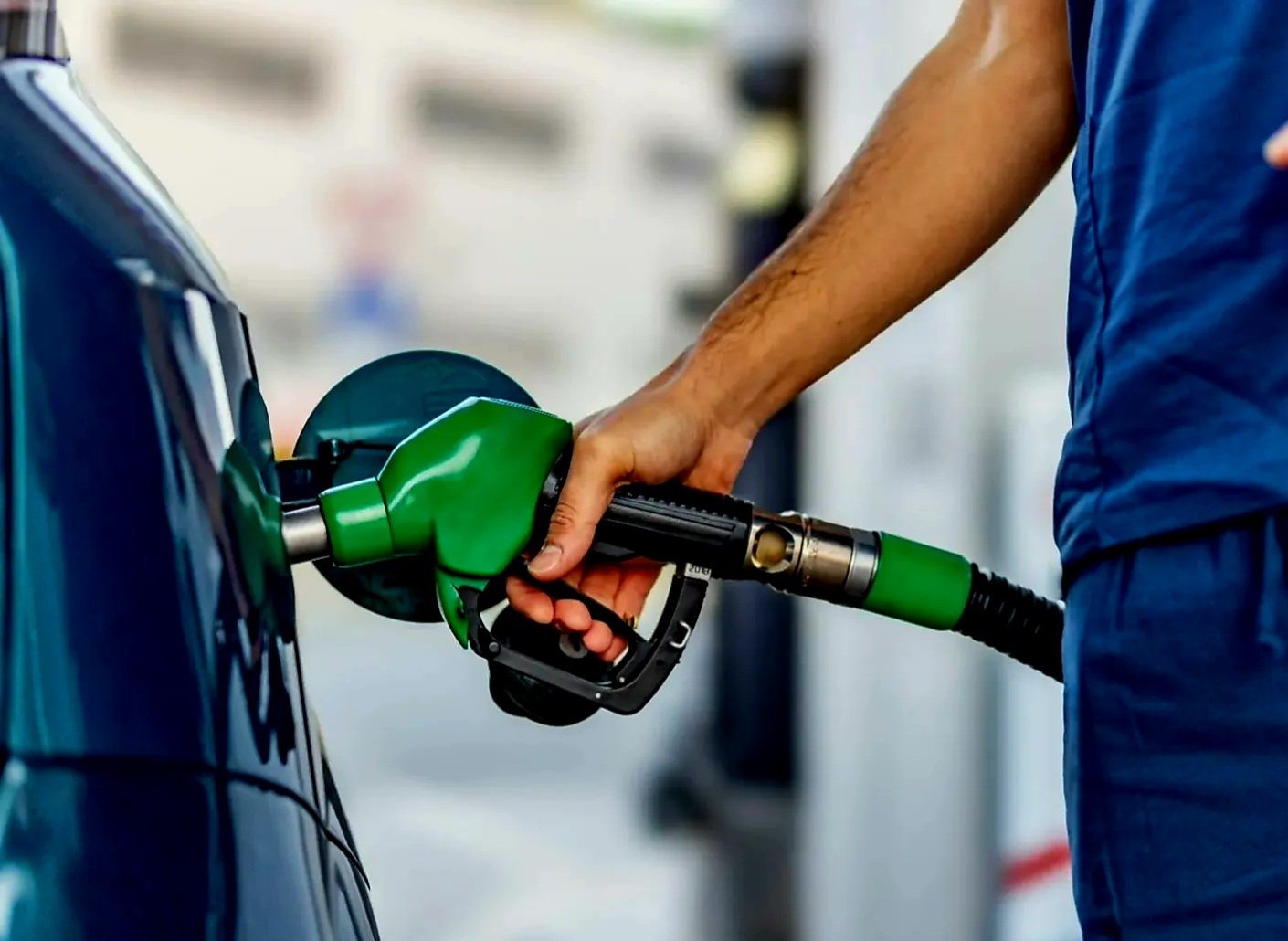
South African motorists will pay more at the pump from midnight after the Department of Mineral and Petroleum Resources (DMRE) confirmed fuel price increases across the board, effective from midnight on Wednesday, March 4 2026.
Petrol will increase by 20 cents per litre, while diesel rises between 62 and 65 cents per litre — marking a sharper blow for transport operators and logistics companies.
The increases were widely anticipated after earlier indications that global oil volatility could erase the relief motorists enjoyed at the start of the year. In late February, analysts had already warned that March could bring a sharp reversal as Brent crude trended upward and geopolitical tensions intensified.
How much fuel is going up
The DMRE confirmed the following adjustments:
- Petrol 93 (ULP & LRP): 20c/l increase
- Petrol 95 (ULP & LRP): 20c/l increase
- Diesel (0.05% sulphur): 62c/l increase
- Diesel (0.005% sulphur): 65c/l increase
- Illuminating Paraffin (wholesale): 44c/l increase
- SMNRP for IP: 58c/l increase
- Maximum Retail Price of LPGas: 23c/kg increase (26c/kg in Western Cape)
The department said fuel prices are adjusted monthly “based on current local and international factors”.
Why prices are rising again
According to the DMRE, the average Brent crude oil price climbed from $64.08 to $69.08 per barrel during the review period.
“The average Brent Crude oil price increased from 64.08 US Dollars (USD) to 69.08 USD during the period under review. The main contributing factors are higher shipping rates and geopolitical uncertainty caused by the tension between the US and Iran, which could result in the disruption of crude oil supply in the Strait of Hormuz.”
The department added:
“The average international product prices followed the increasing trend of the crude oil price. These factors led to higher contributions to the Basic Fuel Prices of petrol, diesel, and illuminating paraffin by 37.53 cents a litre, 81.36 cents a litre, and 63.81 cents a litre, respectively.”
Cold weather in the Northern Hemisphere and tighter global supply also pushed up propane and butane prices.
Rand strength not enough to offset oil spike
While oil prices surged, the rand showed modest strength during the period under review.
“This led to higher contributions to the Basic Fuel Prices of petrol, diesel, and Illuminating Paraffin by 16.96 cents a litre, 19.20 cents a litre, and 19.21 cents a litre respectively,” the department said.
According to the latest South African Reserve Bank market and exchange rate data, the rand was trading around R16.26 to the US dollar on 3 March, with the policy rate steady at 6.75% and the prime lending rate at 10.25%.
The slate levy remains unchanged at 0.00c/l, with a positive cumulative balance of R5.9 billion at the end of January.
A reversal from early 2026 relief
The March hike marks a sharp turn from the start of the year, when motorists benefited from meaningful cuts. In January, drivers welcomed lower pump prices after significant diesel and petrol reductions kicked off 2026.
Even February brought mixed relief, with petrol edging down and diesel dropping by up to 24c before global oil markets turned volatile again.
Now, the upward pressure is back.
NADA: “Renewed pressure on consumers”
The National Automobile Dealers’ Association (NADA) warned that the increases will stretch already strained household budgets.
“Higher fuel prices affect more than the cost of filling up at the pump. As transport and logistics costs rise, these increases filter through the value chain, contributing to higher prices across the basket of goods and services purchased by households. This places additional strain on already constrained consumer budgets.”
NADA added that affordability remains a major constraint in the vehicle market and that sustained fuel increases will “reinforce a cautious approach to inflation management by the South African Reserve Bank, which in turn affects purchasing behaviour.”
The warning comes as Treasury projected national inflation at around 3.5% in the recent Budget Speech 2026 — a figure that could face renewed pressure if fuel-driven transport costs rise further.
What happens next?
The fuel price schedule for different Magisterial District Zones will be published on March 3, 2026.
For motorists, the immediate takeaway is clear: filling up before midnight could save you up to 65 cents per litre — especially if you drive diesel.
With global oil markets reacting to rapidly escalating Middle East tensions and shipping risks, further volatility cannot be ruled out in the months ahead.