


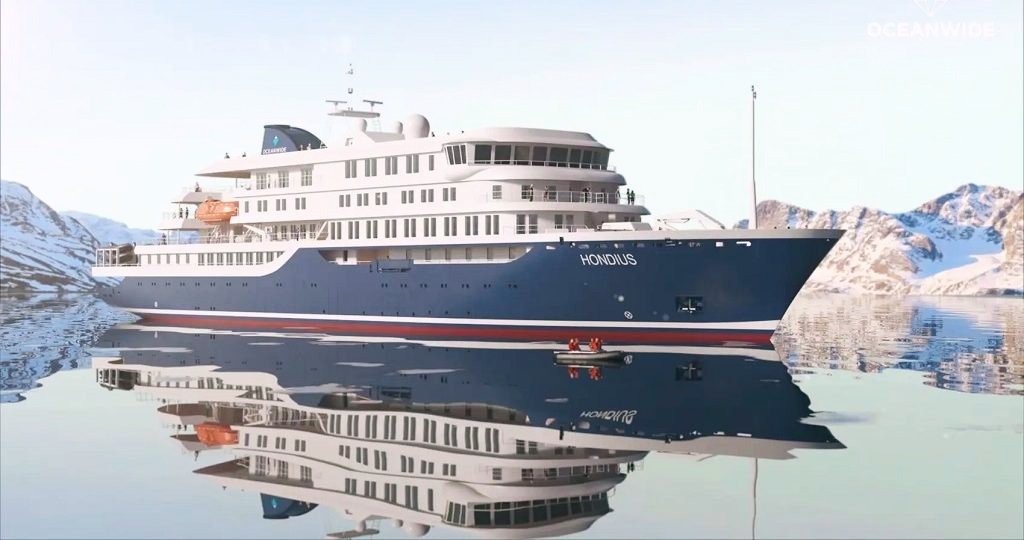
JOHANNESBURG, SOUTH AFRICA: May 4, 2026 —A deadly medical standoff is developing off the coast of West Africa after Cape Verdean authorities denied permission for symptomatic individuals to disembark the MV Hondius.
The vessel, currently grappling with a hantavirus outbreak, has now seen three fatalities, including a Dutch couple who fell ill mid-voyage.
The situation has escalated as Oceanwide Expeditions confirms two crew members now require urgent medical intervention. However, coordination with local health officials has stalled. The news comes as South Africa battles a Gauteng malaria outbreak, which has already sharpened the focus on provincial public health readiness and isolation protocols.
A growing death toll in the Atlantic
The South African National Department of Health has confirmed that the outbreak has claimed three lives. Among the deceased are a 70-year-old Dutch man and his 69-year-old wife. While the husband passed away in the British territory of Saint Helena, his wife later died in a Johannesburg hospital after being evacuated for emergency care.
Department of Health spokesperson Foster Mohale earlier confirmed the two deaths, stating:
“I can confirm that two people have demised from acute respiratory infection.”
The third person who died was also Dutch, and efforts are currently underway to repatriate the bodies.
A British national remains in a critical condition in a Sandton intensive care unit, marking the only laboratory-confirmed case currently linked to South African soil.
Medical disembarkation denied off Cape Verde
Despite the urgency, the ship’s operators, Oceanwide Expeditions, have hit a diplomatic wall. The vessel is currently stationed off the port of Praia, but guests and sick crew members remain confined to the ship.
In an official statement, Oceanwide Expeditions clarified the delay:
“Disembarkation and medical screening of all guests require coordination and permission with local health authorities. As of now, they were not given permission to disembark and go to hospital.”
This refusal leaves two symptomatic crew members in a precarious position as they await a decision on whether they can be transferred to local medical facilities or repatriated.
For more information on the protocols used in such scenarios, the WHO hantavirus outbreak toolbox provides a detailed overview of international response frameworks.
Understanding hantavirus and local risks
Hantaviruses are a group of viruses carried primarily by rodents. Humans typically contract the virus by inhaling dust contaminated with the urine, saliva, or droppings of infected animals. While rare, it can lead to severe respiratory failure.
Research from the International Journal of Infectious Diseases confirmed human exposure to hantavirus in South Africa as early as 2014. While the study found a 1% antibody prevalence in tested residents, confirmed clinical cases remain exceptionally rare in the region.
Symptoms and precautions for South Africans
The Department of Health advises that those who have recently travelled or been in contact with international maritime guests should monitor for:
- Sudden high fever and fatigue
- Severe muscle aches in the thighs, hips, and back
- Headaches, nausea, or abdominal pain
- Shortness of breath as the illness progresses
To minimise general risk, South Africans should ensure homes are rodent-free and use disinfectant rather than dry sweeping when cleaning areas where rodents may have been present.
While this event is a stark reminder of how quickly rare diseases can travel, Foster Mohale insists there is no reason for local panic:
“In our view, there is no need for the public to panic because only two patients from the cruise ship have been within our borders.”
ALSO READ: The launch of ‘I am Number 15’ campaign aimed at improving outcomes for patients with rare diseases
For breaking South African stories that matter, visit: NOWinSA daily!