


UPDATE — May 5, 2026: The Department of Mineral and Petroleum Resources has issued an official erratum for the May 2026 fuel price adjustments.
Due to a calculation error where a 93.00 cents per litre reduction was erroneously captured as 0.93 cents, the diesel hike has been revised down from R6.19 to R5.27 per litre. Petrol prices remain as originally announced.
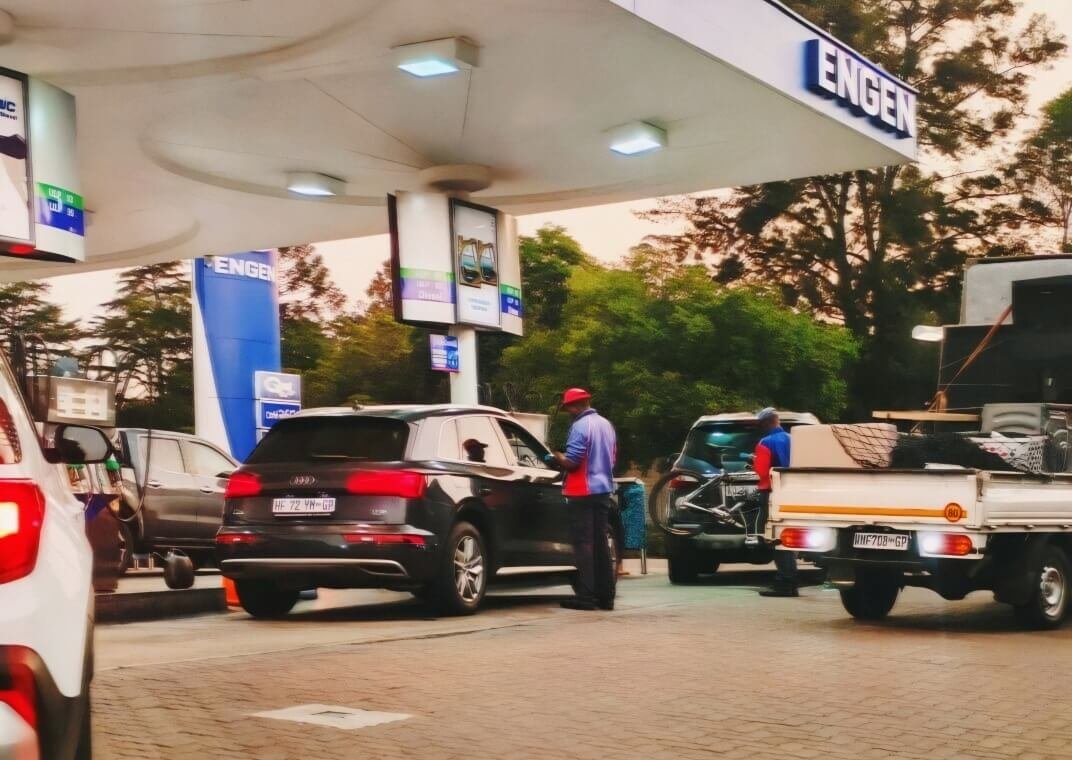
The Department of Mineral Resources and Energy (DMRE) has officially confirmed a staggering increase in fuel prices, set to take effect this Wednesday, May 6. While the National Treasury has extended the R3 Gov fuel levy subsidy, the relief is largely overshadowed by global oil shocks and a significant local slate levy adjustment.
According to the DMRE, petrol prices for both 93 and 95 grades will increase by R3.27 per litre. Following a late correction from the Ministry, diesel users face a revised hike of R5.27 per litre—down from the initially reported R6.19. These adjustments come as crude oil price data for Monday, May 4, shows international markets trading above $100 per barrel, driven by the ongoing conflict in the Middle East and a blockade in the Strait of Hormuz.
The fuel subsidy decision made by the government confirms that the petrol levy reduction remains at R3.00, while the diesel relief effectively increases to R3.93 per litre. However, a negative slate balance of over R14 billion has forced a slate levy implementation of R1.23 per litre, further penalising motorists at the pump.
Global shocks meet local fuel strain
This latest surge compounds the financial strain following the April fuel price surge, where diesel previously spiked by over R7.50. The cumulative effect is already altering how South Africans move.
New data from Discovery Insure highlights that fuel spending dropped by 35% in April, with transactions falling by 28% as motorists began rationing trips. Discovery Insure CEO Robert Attwell had this to say:
“The data shows a clear and immediate response to higher petrol prices… Even with the government’s effort to soften the impact by temporarily cutting the fuel levy by R3, consumers are tightening their belts by driving less and being more deliberate about when they use their cars.”
Motorists can track daily prices for future trends, but for now, the inland price for 95 Petrol will hit a record R26.63 per litre on Wednesday.
Labour and Parliament flag sustainability concerns
Labour unions have reacted with alarm to the confirmed figures. The Congress of South African Trade Unions (COSATU) warned:
“Government’s extended fuel levy relief is a positive step forward, but more relief may be needed due to the massive rise in fuel prices resulting from the war in the Middle East. Workers already drowning in debt will not be able to continue to survive such painful petrol, diesel and paraffin price hikes.”
In Parliament, the Chairperson of the Standing Committee on Appropriations, Dr Mmusi Maimane, welcomed the levy reduction but acknowledged its limitations:
“Given the continued instability in global energy markets, this intervention will go some way in easing the financial burden… whilst reduction of levy is unsustainable, we wish that a peaceful resolution can be found to end the war.”
National fuel crisis deepens
The massive diesel hike of R5.27 is expected to hit the logistics and agricultural sectors hardest. NOWinSA has extensively reported on existing diesel supply pressures, and this price jump risks further destabilising the supply chain for essential goods.
The Department noted the error was “highly regrettable” and apologised for the inconvenience caused ahead of the Wednesday adjustment.
Corrected Official Price Changes (Effective May 6, 2026)
The following table outlines the new official prices:
| Fuel type | Corrected increase | New price (Inland) |
|---|---|---|
| 93 Petrol | R3.27 per litre | R26.52 |
| 95 Petrol | R3.27 per litre | R26.63 |
| Diesel 0.05% | R5.27 per litre | R31.17 |
| Diesel 0.005% | R5.27 per litre | R31.38 |
| Illuminating Paraffin | R4.22 per litre | R28.43 |
| LPGas (Gauteng) | R5.07 per kg | R41.12 |
| LPGas (Western Cape) | R5.78 per kg | R37.87 |
With the rand hovering around R16.64 to the dollar and global supply chains under siege, the DMRE confirms that market conditions remain the primary driver of these record-breaking costs. For South Africans, Wednesday marks the start of an even more expensive winter.