


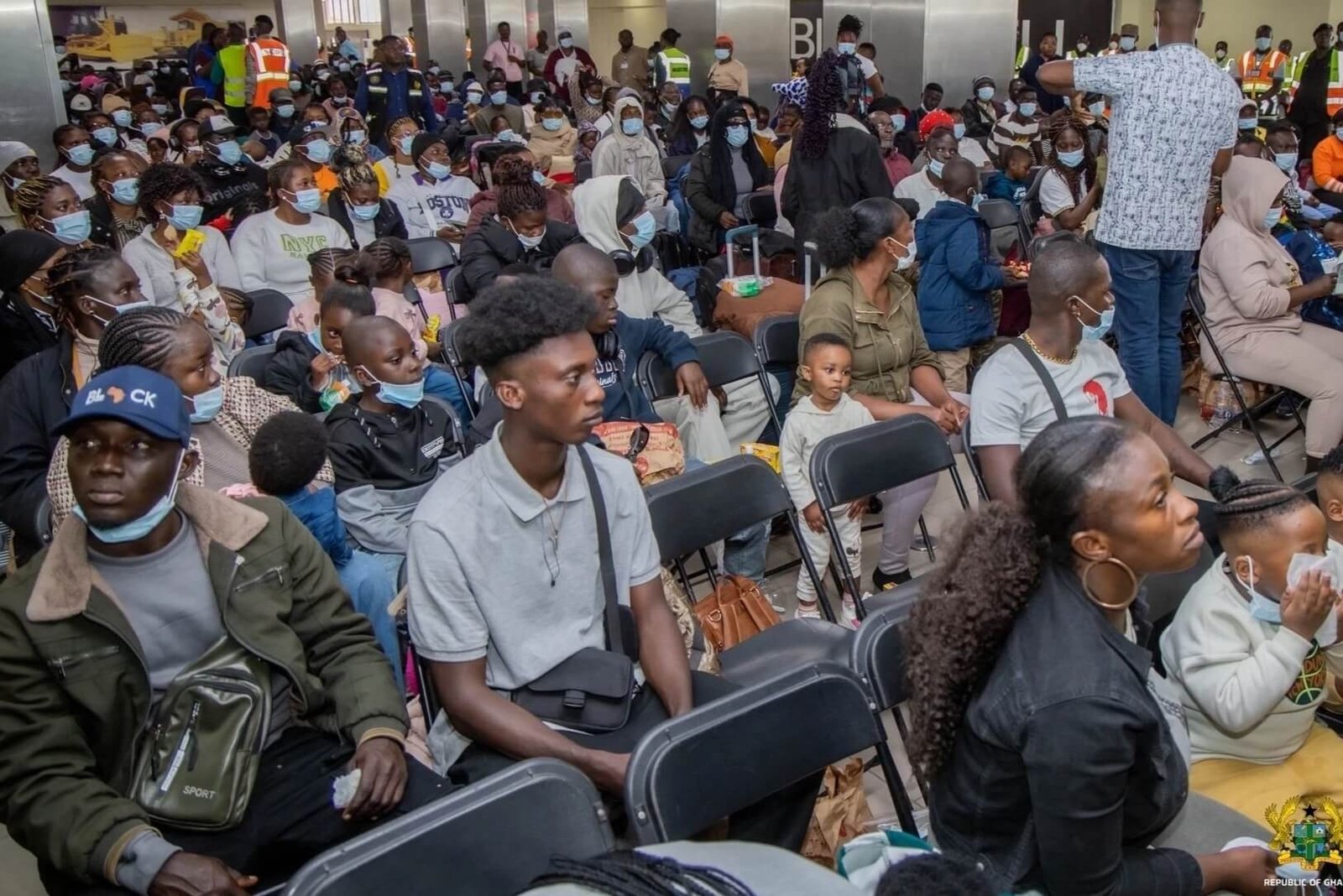
JOHANNESBURG — Malawi has become the latest African nation to arrange repatriation for its citizens in South Africa.
The move comes in the back of the June 30 deadline set by anti-immigrant groups for undocumented foreigners to leave intensifies pressure on migrant communities.
President Cyril Ramaphosa has issued a direct and unusually candid warning on undocumented migration, admitting that the high influx is fuelling real tensions in communities already battered by unemployment and economic hardship.
Speaking alongside Botswana’s President Duma Boko in Gaborone, Ramaphosa drew a clear line: while many migrants have integrated and contributed positively, violence against foreign nationals is unacceptable and has been strongly condemned.
The remarks come as South Africa prepares to take over the rotating SADC chairmanship in August, with both leaders pushing for stronger trade and investment ties between the two neighbours – highlighting how migration, economics and regional stability increasingly overlap across the region.
Malawi repatriation begins as Ghana suspends evacuation registration
The Malawian Ministry of Foreign Affairs announced on Monday, June 2 that it will commence a voluntary repatriation exercise for nationals who have requested government support.
The Malawi Consulate in Johannesburg is the central point of contact.
“The Government is making necessary arrangements and undertaking the required processes to provide consular support to Malawians affected,” the statement read.
Mozambique previously said five of its citizens were killed in violence in Mossel Bay.
Meanwhile, Ghana’s High Commission in South Africa temporarily suspended new registrations for its evacuation exercise after more than 1,500 Ghanaians applied.
NOWinSA team was on the ground during the initial, Ghana repatriation registration at the Pretoria embassy, where dozens arrived with luggage ready for departure.
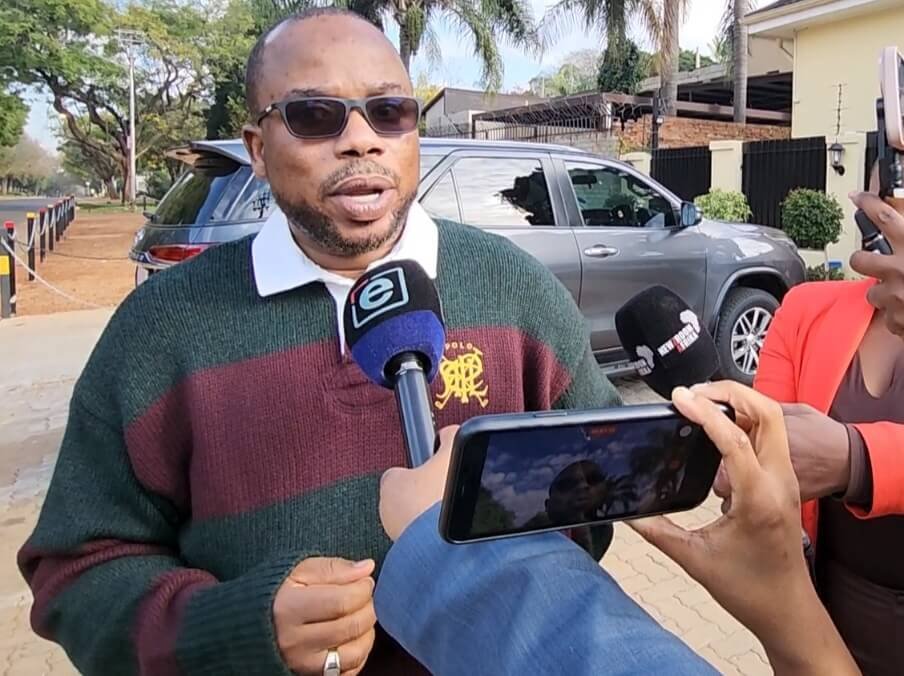
Ghana’s next repatriation flights are scheduled for Saturday, June 6 and Sunday, June 7, carrying 336 and 334 passengers respectively.
The government also issued a travel advisory urging citizens to “exercise extreme caution” and avoid non‑essential travel to South Africa until further notice.
Ramaphosa warns undocumented migration fuels community tensions
In Gaborone, Ramaphosa did not shy away from the difficulties that undocumented migration creates.
“We cannot pretend that large numbers of undocumented people crossing our borders do not create strains in communities that are already struggling with unemployment and limited services,” he said.
However, he strongly rejected any form of vigilantism.
“We must never give in to violence, xenophobia or lawlessness. The rule of law binds all – citizens and non‑citizens alike.”
The president confirmed that government is cracking down on immigration violations, increasing workplace inspections, prosecuting employers who break labour laws, and strengthening border security.
He also pledged to tackle corruption within the immigration system.
The diplomatic fallout between South Africa and Ghana has spilled into the commercial sector, as seen in the Gold Fields lease dispute and rising calls for resource nationalism in Ghana.
Still, Ramaphosa’s Gaborone appearance signalled that South Africa intends to address the tensions through regional channels rather than confrontation.
Nigeria warns citizens against retaliation
Nigeria has warned its citizens against retaliatory attacks on South African businesses or nationals following reports of stores being destroyed and cars attacked in Nigeria.
The Nigerian government urged calm, while South Africa’s presidency has not yet commented on the reported reprisals.
SADC chairmanship puts migration tensions in regional focus
With South Africa set to take over the SADC chair in August, both Ramaphosa and Botswana’s President Boko stressed the need for a coordinated regional approach to migration.
According to the African Human Rights Law Journal, migrants from Mozambique, Zimbabwe, Lesotho and Malawi comprise the majority of undocumented immigrants, estimated at between 500,000 and one million people.
Anti‑immigrant groups have set a June 30 deadline for undocumented foreigners to leave, but Ramaphosa’s message was clear: enforce the law, but never through violence.
Related coverage:
Ghana repatriation: Citizens arrive with luggage at Pretoria embassy
Stay updated with the trending, insightful stories driving the continent’s growth on the NOWinSA‑Africa news page — Stories Shaping South Africa Today.