


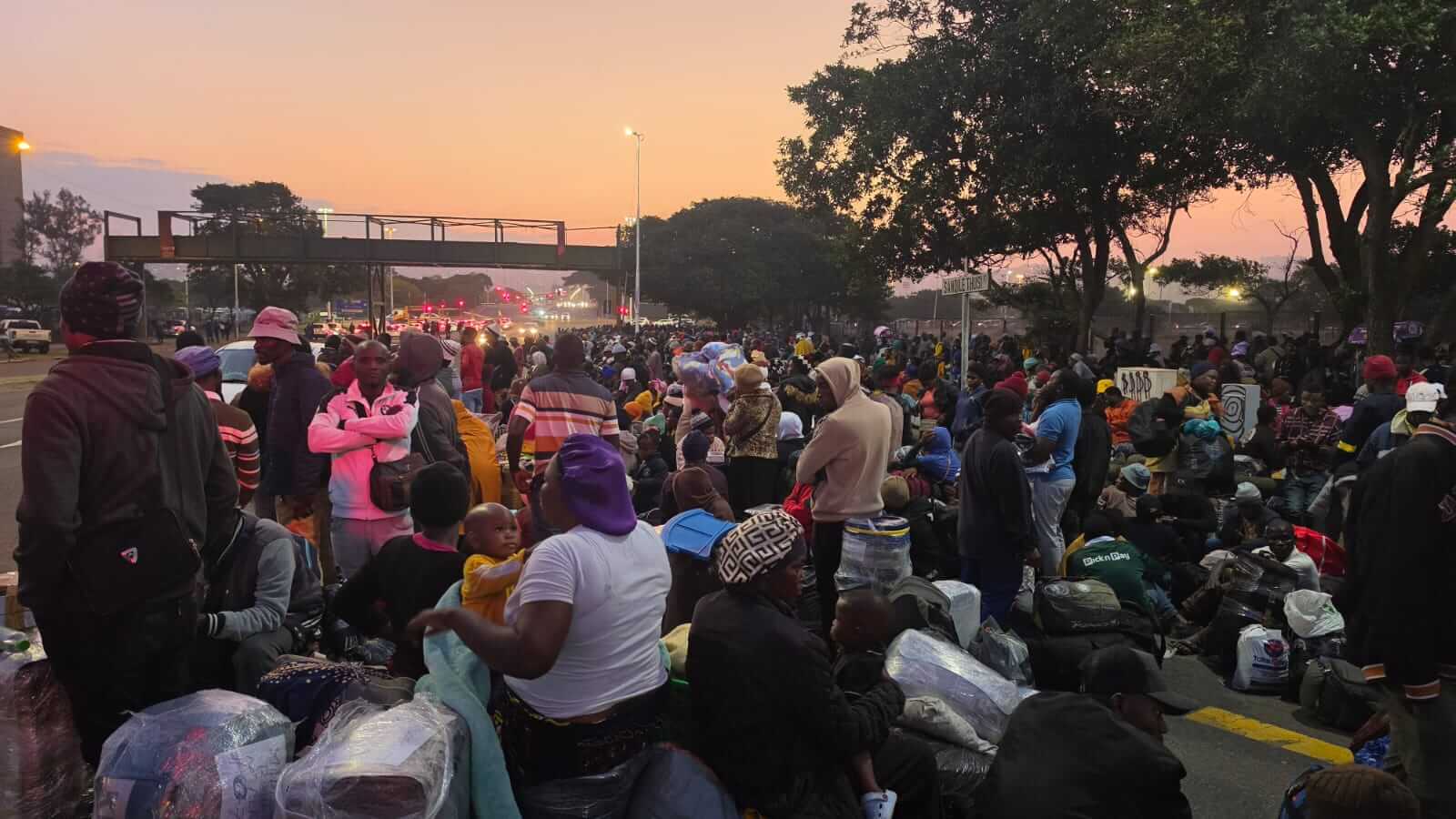
Mozambique has unveiled plans to help repatriated Mozambican workers secure jobs in Portugal and the United Arab Emirates (UAE) after South Africa’s illegal immigration protests forced hundreds to return home.
The initiative forms part of the Mozambique government’s professional reintegration strategy for citizens who lost their livelihoods during the unrest.
Officials are working with the Institute for Vocational Training and Labour Studies (IFPELAC) to certify the skills of 1,363 repatriated Mozambican citizens, allowing eligible workers to access employment opportunities in Portugal and the UAE under existing labour agreements.
The announcement also comes as South Africa continues processing undocumented migrants through temporary repatriation centres after introducing new immigration reforms and a national migration plan.
It follows NOWinSA’s coverage of regional repatriation programmes, beginning with Ghana and later Nigeria.
Speaking after Tuesday’s Council of Ministers meeting in Maputo, Mozambique government spokesperson Inocêncio Impissa said more than 800 returnees have already declared recognised trades, with officials now focusing on skills certification and overseas job placements.
Portugal and UAE jobs for repatriated Mozambicans
Impissa said the government has already mapped the professional backgrounds of most returnees.
Of the 1,363 repatriated Mozambicans, 809 reported having recognised trades.
The largest groups include:
- 363 bricklayers
- 102 artisans
- 77 domestic workers
- Painters
- Electricians
- Carpenters
- Plumbers
Rather than relying solely on Mozambique’s domestic labour market, the government plans to use bilateral labour agreements to place qualified workers in Portugal and the UAE.
President Daniel Chapo previously said his administration is also exploring opportunities to absorb repatriated Mozambicans into national megaprojects while expanding overseas employment partnerships to ease pressure on the local job market.
South Africa repatriation efforts continue
The announcement follows weeks of illegal immigration protests in Gauteng, KwaZulu-Natal, Mpumalanga and North West, where foreign nationals have reported intimidation, looting and forced displacement.
Mozambique says at least 283 of its citizens were affected during the unrest, while seven Mozambicans who died during the violence have since been repatriated for burial.
South Africa has also intensified the processing of undocumented migrants through temporary repatriation facilities.
During Parliament’s immigration oversight visit to Musina and the Beitbridge Port of Entry on Tuesday, Home Affairs Acting Chief Director Albert Matsaung said officials had helped 20,803 undocumented migrants return to their countries of origin.
According to Matsaung, the group included:
- 17,370 Malawians
- 3,324 Zimbabweans
- 109 Mozambicans
Most departed through the temporary repatriation centre in Musina, Limpopo, before returning home.
ALSO READ: Malawi’s repatriation programme as stranded Malawians gather outside their Sandton consulate
Malawi repatriation transit through Mozambique grows
Mozambique is also managing a steady flow of Malawian nationals travelling through the country after leaving South Africa.
Impissa said around 6,156 Malawian citizens have passed through Mozambique since June.
They entered through the Ressano Garcia and Ponta do Ouro border posts before travelling to the Zóbwè border in Tete Province.
Mozambican authorities have provided transport and basic humanitarian assistance while coordinating onward travel with the Malawian government.
The developments highlight the wider regional impact of South Africa’s protests against illegal migration.
RELATED| See how iIllegal immigration protests may affect July SASSA grant payments and read President Cyril Ramaphosa’s response to illegal immigration while urging against xenophobia and vigilantism.
Mozambique says its immediate priority is helping repatriated citizens return to work instead of facing prolonged unemployment.
Labour certification and overseas recruitment now sit at the centre of Mozambique’s reintegration strategy as officials continue monitoring developments in South Africa and cordinating support for returning citizens.