


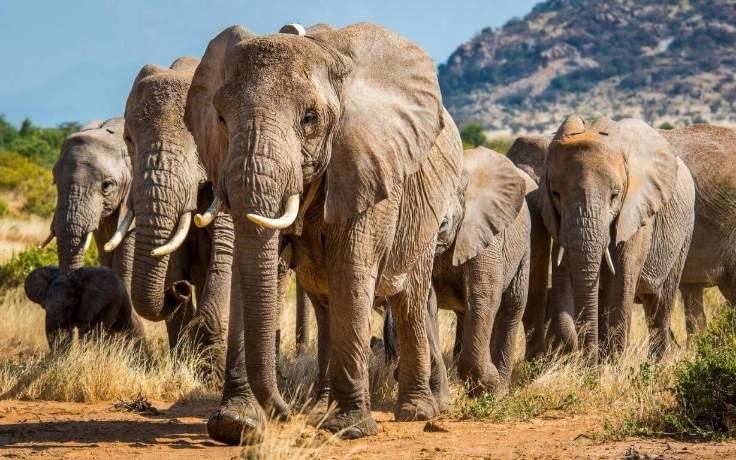
South Africa joined the global community on 12 August to mark World Elephant Day 2026, with the Department of Forestry, Fisheries and the Environment (DFFE) renewing its call for coordinated elephant conservation across the country.
The day is one of several important events in South Africa marked this month by DFfE.
World Elephant Day launched in August 2012 after Canadian filmmaker Patricia Sims and Michael Clark of Canazwest Pictures, alongside Sivaporn Dardarananda of Thailand’s Elephant Reintroduction Foundation, conceived the initiative a year earlier.
Sims continues to lead the initiative, which is now marked by more than 100 wildlife organisations worldwide.
According to World Elephant Day, the day highlights threats facing Asian and African elephants, including habitat loss and poaching.
“World Elephant Day provides an opportunity to raise awareness of the importance of elephant conservation, habitat protection and promoting coexistence between people and elephants,” the DFFE said in a statement sent to NOWinSA.
South Africa’s elephants face changing conservation threats
South Africa is home to an estimated 44 000 to 45 000 African savanna elephants, which form an important part of the country’s natural heritage, biodiversity, cultural identity and tourism economy.
The African savanna elephant is classified as Endangered by the International Union for Conservation of Nature (IUCN), with habitat loss, fragmentation and illegal killing among the key threats facing elephant populations across the continent.
National Elephant Heritage Strategy guides elephant conservation
The World Elephant Day 2026 commemoration comes after a major policy development.
On May 29, 2026, government gazetted the National Elephant Heritage Strategy (NEHS) under Government Gazette No. 54764.
The 10-year strategy provides a framework for the conservation and sustainable management of elephants as a national heritage asset.
It promotes coordinated planning, cooperative governance, regional connectivity and safe migration pathways across Transfrontier Conservation Areas.
“The NEHS provides a long-term framework for the conservation and sustainable management of elephants as a national heritage asset,” the DFFE said.
The strategy also recognises the ecological, cultural and socio-economic value of elephants.
Read the full gazette here.
The DFFE says it remains committed to implementing the National Elephant Heritage Strategy.
It is also calling on government, traditional leaders, the private sector and civil society to strengthen partnerships that protect elephants for future generations.
Related reading: South Africa’s conservation efforts have also produced unexpected stories, including the unlikely friendship between a sheep and an orphaned rhino that helped highlight Shamwari’s pioneering wildlife rehabilitation work.