

South African motorists and commuters are facing the immediate fallout from April’s historic fuel price hikes, with petrol set to rise by over R3 per litre and diesel by up to R7, following surging global oil prices and supply disruptions in the Middle East.
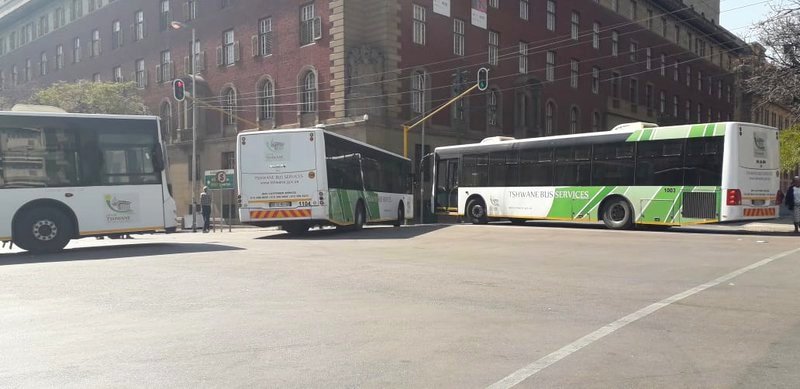
The City of Tshwane has warned residents of major disruptions to bus services, as all Tshwane Bus Service depots have run out of fuel. Only 65 out of 155 planned bus shifts were able to operate on Monday, with the city cautioning that services could be further affected if fuel supplies are not restored quickly.
Executive Mayor Dr Nasiphi Moya said contingency measures are being considered to prioritise essential municipal services.
“The nation must consider approaches similar to COVID, where people work from home. Internally, we are prioritising key service delivery departments. Electricity teams must not be affected so they can reach households or substations to fix issues. The same applies to water services, TMPD and emergency services,” Moya said.
Transport MMC Tlangi Mogale added:
“At present, all three Tshwane Bus Services depot filling stations have run out of fuel. This situation has had a major impact on operations, resulting in a reduced number of buses in service and the disruption of scheduled trips. There is a strong likelihood that no bus services will operate in the afternoon should fuel supplies not be restored in time. We are engaging with suppliers and expect fuel deliveries later in the week.”
Passengers are being urged to make alternative arrangements while the city works to restore full operations.
Fuel prices and levy relief
The Department of Mineral and Petroleum Resources confirmed that with effect from Wednesday 1 April, petrol prices will increase by R3.06 per litre, while diesel will rise between R7.37 and R7.51 per litre.
Earlier this week, Finance Minister Enoch Godongwana announced a temporary R3 per litre cut in the general fuel levy to offset part of the spike, providing temporary relief to motorists and households.
Full coverage: R3 fuel levy relief, April 2026
This intervention partially tempers the sharp increases previously forecast:
- April fuel shock predictions had projected petrol could rise by nearly R6 per litre and diesel by over R10. With the levy relief, these increases are reduced to around R3 per litre for petrol and R7 per litre for diesel.
Fuel hoarding and national shortages
Reports of shortages at petrol stations across the country have been linked to hoarding by consumers responding to sudden spikes in prices. The Middle East conflict and US-Iran tensions have disrupted global oil exports, driving the surge.
“We acknowledge the inconvenience this disruption causes commuters. While alternative transport options may be limited and not always affordable, we urge passengers to make necessary arrangements to reach their destinations,” Mogale said.
Experts warn that fuel hoarding, combined with high prices, could strain the supply chain further if not managed carefully.
For those seeking real-time tracking, motorists can consult the Central Energy Fund’s daily fuel price updates: Daily fuel price tracking.
Context: March 2026 fuel u-turn
For broader context on how rapidly conditions have shifted, last month’s March 2026 fuel price adjustments saw a diesel increase of 65 cents per litre and a petrol hike of 25 cents. These modest shifts were dwarfed by the April surge, highlighting the speed at which projections can escalate amid international crises.
Key takeaways
- Tshwane Bus depots currently out of fuel, affecting daily commuter services.
- Temporary R3 fuel levy relief partially offsets April price increases.
- Diesel and petrol hikes remain substantial despite the intervention.
- Consumers are urged to monitor fuel prices and plan travel accordingly.