

Limpopo musician Lehlogonolo “Shebeshxt” Chauke remains behind bars after his latest High Court bail appeal hit a setback — not because of the serious charges against him, but because the presiding judge questioned the credibility of parts of his defence submissions.
Case highlights
- The appearance: Shebeshxt appeared at the Limpopo High Court in Polokwane on Wednesday, May 27, 2026, for his ongoing bail appeal.
- The concern: Presiding Judge Karin Pillay flagged supplementary defence documents as unverified and potentially AI-generated.
- The procedural issue: The advocate who drafted the contested papers was not the legal representative officially on record in court.
- The delay: The court postponed the matter to June 12, 2026, to allow the state to file supplementary heads of argument.
- The charges: The 31-year-old faces 20 criminal charges, including three counts of attempted murder, robbery with aggravating circumstances, and illegal firearm possession.
- The status: Courts have now denied or delayed his bail application four times, keeping him in custody ahead of trial.
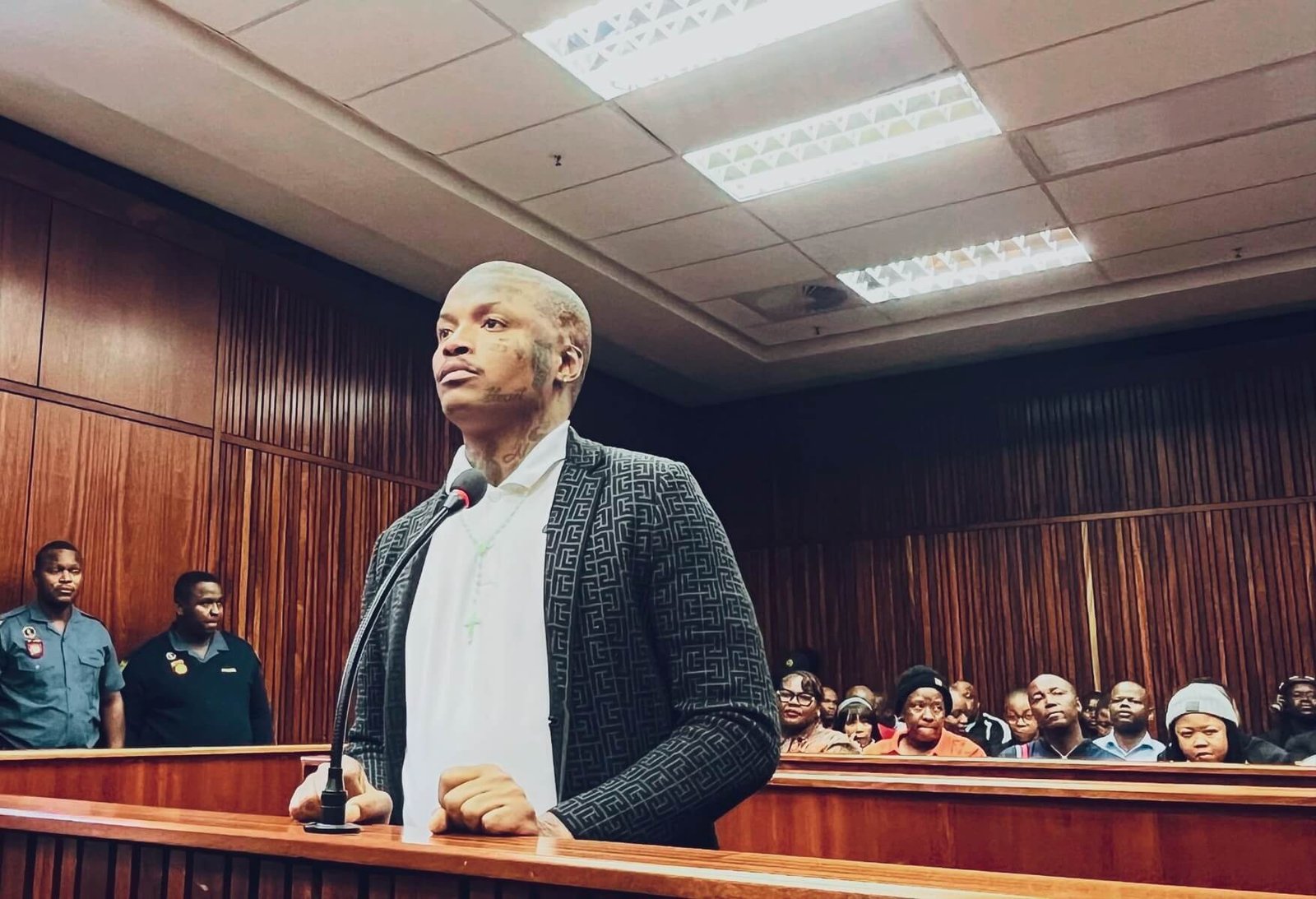
POLOKWANE — Rapper Lehlogonolo “Shebeshxt” Chauke walked into the Limpopo High Court in Polokwane on Wednesday hoping to secure his release on bail.
Instead, the matter was postponed after the court raised concerns about the way parts of the defence submissions had been prepared.
Judge Karin Pillay postponed the troubled musician’s bail appeal to June 12, 2026 after questioning whether parts of the defence’s supplementary submissions were verified and properly sourced.
The matter has also drawn attention to the growing use of artificial intelligence tools in legal work and the standards courts expect from practitioners.
Suspicious court papers stall Shebeshxt bail application
Proceedings slowed after Judge Pillay questioned the credibility of supplementary information filed in support of the rapper’s bail application.
According to the court, some of the claims in the documents could not be independently verified by either the prosecution or the court itself.
”The advocate who provided the information was not the legal representative appointed in court,” Judge Pillay stated during the proceedings.
She further indicated that the claims may have been AI-generated or otherwise unverified, and said the court had to approach it cautiously.
The advocate linked to the supplementary papers did not appear in court alongside Shebeshxt on Wednesday. That raised further questions about how the documents were prepared and submitted.
The judge then postponed the matter to allow the state time to prepare supplementary heads of argument in response to the disputed submissions.
Fourth attempt at freedom stalls again
The postponement marks another failed attempt at freedom for the Song of the Year award-winning hitmaker.
Lower courts previously denied him bail three times at the Polokwane Magistrates’ Court, and this latest appeal has now been delayed at High Court level.
His attorney, Michael Khumalo, argued that Magistrate Godfrey Netshiozwi acted with bias when dismissing the musician’s third bail application on April 30.
Khumalo further argued that Netshiozwi should not have presided over the matter because he had signed the J50 warrant of arrest.
The defence also cited Chauke’s alleged need for leg surgery as a new fact supporting bail.
However, Magistrate Netshiozwi rejected that argument in April, citing official records from correctional services.
“The evidence from one of the managers in the correctional service suggested that if the prisoner has a complaint, such a complaint is recorded in a register. Ever since the incarceration of the applicant in the correctional service, he has never made any request or complaint,” Netshiozwi said during his ruling.
The state continues to oppose bail, arguing that the 31-year-old remains a flight risk.
Chauke faces 20 charges, including three counts of attempted murder, robbery with aggravating circumstances, assault with intent to cause grievous bodily harm (GBH), malicious damage to property, and illegal possession of a firearm.
Growing scrutiny over AI in legal work
The court’s comments about possible AI-generated material quickly sparked discussion online. But the issue extends beyond social media debate and reflects wider concerns within the legal profession.
Law firms globally are increasingly testing AI tools to assist with research, drafting and case analysis. When used properly, the technology can speed up administrative and research work.
Problems arise when legal practitioners fail to verify the information produced by these systems.
Generative AI tools can produce inaccurate case law, fabricated citations or non-existent legal precedents that appear convincing at first glance.
Submitting inaccurate or unverified information to court can amount to professional misconduct and may expose legal practitioners to disciplinary action under the Legal Practice Act.
That appeared to be the court’s central concern on Wednesday. The issue was not necessarily the use of technology itself, but whether the information presented to the court had been properly checked before filing.
What happens next on June 12, 206?
When proceedings resume in June, the prosecution is expected to submit supplementary heads of argument.
The High Court will then consider whether Magistrate Netshiozwi’s April ruling was legally sound and whether the defence has presented genuine new facts that justify bail.
Separate from the High Court appeal, Chauke is also due back in the Polokwane Regional Court on Thursday, May 28, for ongoing pre-trial proceedings linked to the criminal case.
Until then, the ‘Rato Laka‘ rapper remains in custody at the Polokwane Correctional Centre.