

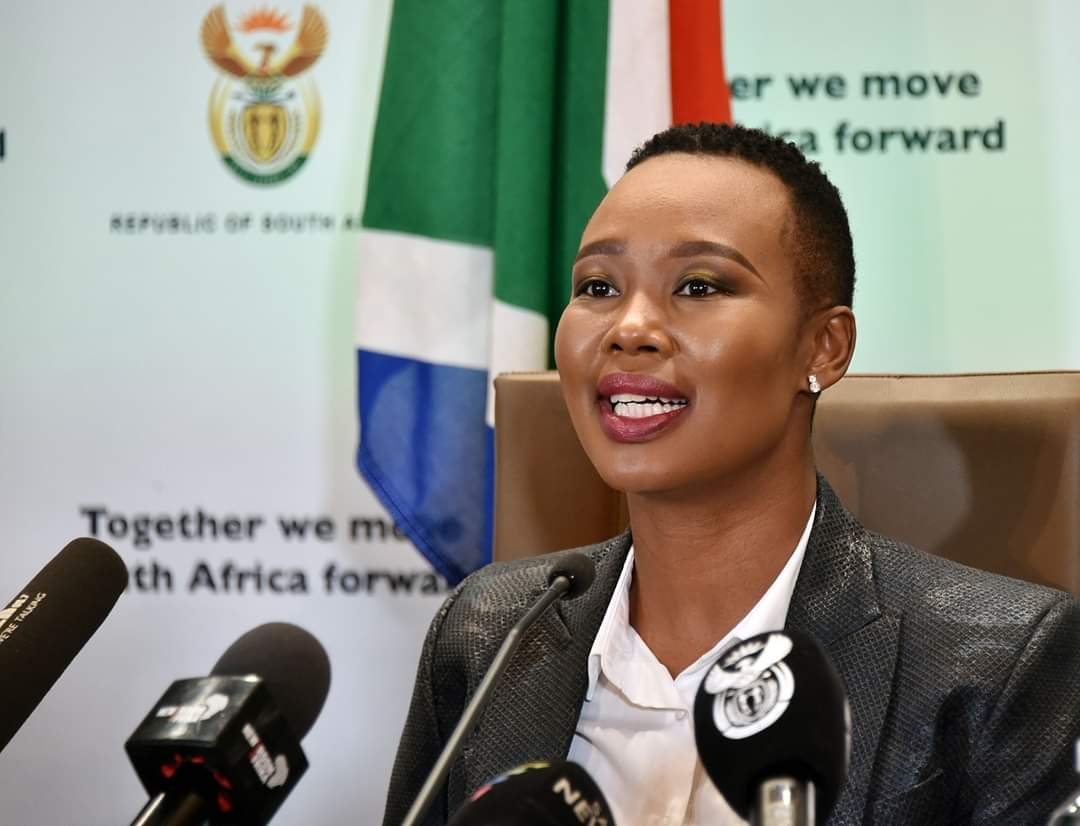
PRETORIA — Public pressure has pushed the Department of Small Business Development (DSBD) to call an impromptu briefing in Pretoria ON girfay (May 29, 302y), as concerns continue to grow over transparency surrounding the R500 million Spaza Shop Support Fund.
The fund, launched in April 2025 by Minister Stella Ndabeni-Abrahams and Trade Minister Parks Tau, aimed to support South African-owned spaza shops in townships and rural communities. But more than a year later, many applicants and members of the public say the rollout lacks accountability.
The department confirmed that the Small Enterprise Development and Finance Agency (SEDFA) approved R79.6 million for 1,316 spaza shop owners across all nine provinces.
With R500 million originally allocated, critics are now demanding clarity on the remaining funds and a full beneficiaries list.
From R500 million pledge to R79.6 million disbursed
President Cyril Ramaphosa first announced the R500 million spaza shop fund in November 2024 following a national food safety crisis linked to some informal retailers.
More than 20 children died after consuming contaminated food products, prompting government to fast-track a nationwide spaza shop registration campaign.
Authorities later launched the spaza shop fund in Soweto in April 2025.
Government initially said each qualifying spaza shop would receive support worth R100,000, broken down into:
- R10,000 for consultants
- R50,000 for infrastructure
- R40,000 for stock purchasing
SEDFA received R150 million to administer stock support and Point-of-Sale (POS) devices. The remaining R350 million falls under the Department of Trade, Industry and Competition (dtic), the National Empowerment Fund (NEF), and other delivery partners.
Gauteng recorded the highest number of approvals at 593, followed by KwaZulu-Natal with 496.
Public calls grow for full spaza shop fund beneficiaries list
The DSBD update has not eased criticism online. Many South Africans continue to call for a public list of beneficiaries and a full breakdown of how the fund has been managed.
One user on X wrote:
“Create a fully transparent public dashboard/spreadsheet for the R500 million fund. It should clearly list all beneficiaries, their businesses, locations, the approval criteria used, and the exact amounts approved. Is that difficult?”
Another user questioned the lack of public reporting on rejected applications and consultant payments.
Political analyst Professor André Duvenhage also raised concerns about oversight and transparency surrounding the fund.
”We also need to question the procedure and who is likely to benefit and in what way. There are a number of serious questions, and the fact that government is not reacting may indicate deeper problems,” he said.
Video involving Bangladeshi traders intensifies scrutiny
Public scrutiny intensified after a video circulated online on May 18, 2026, showing a DSBD official meeting with a Bangladeshi business group in Johannesburg.
The meeting reportedly focused on a database census involving Bangladeshi-owned shops. While no direct discussion of grant allocations appeared in the footage, the video triggered backlash online.
Many social media users questioned whether foreign-owned businesses could indirectly benefit from the fund despite government assurances that the programme targets South African-owned spaza shops.
Officials maintain that 53% of more than 87,000 applications received came from South African-owned businesses and say measures are in place to prevent fronting.
However, critics argue that without a publicly available beneficiaries list, those claims remain difficult to verify.
You can read more about the requirements to register your spaza shop and the compliance process involved.
👉🏾 You can read more about the requirements to register your spaza shop and what the compliance process involved.
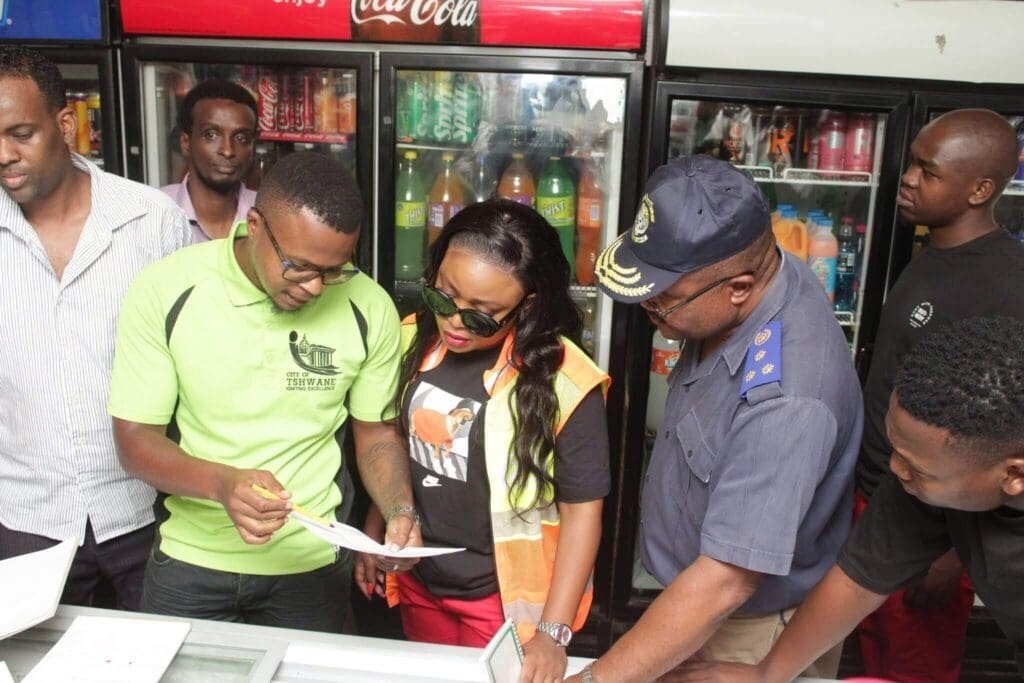
Some spaza shop owners claim they received partial payments
Questions have also emerged over how approved funds were distributed to beneficiaries.
Social commentator and former EFF chief of staff Sentletse Diakanyo shared claims from a spaza shop owner who allegedly received only the R40,000 stock allocation and not the additional amounts earmarked for infrastructure and consultant support.
Sentletse questioned the “inclusion of mandatory consultant fees in the funding structure” and called for a full audit trail.
Other users on X also questioned who received consultant payments and whether procurement processes were independently monitored.
The DSBD statement does not address consultant identities, procurement contracts, or payment breakdowns.
What the department has confirmed so far
In its latest statement, released ahead of the Pretoria briefing, the SEDFA confirmed is working closely with municipalities to verify licences and process outstanding applications.
The department also announced a nationwide outreach programme scheduled to begin in June 2026 to help qualifying spaza shop owners meet compliance requirements and complete applications.
Speaking at an earlier briefing, Minister Stella Ndabeni-Abrahams acknowledged delays in the rollout process.
“This is progressing at a slow pace due to the number of parties involved in coordinating the work, including inspections, verification of citizenship, and site and health inspections,” she said.
The minister also told Parliament that operational and compliance challenges slowed implementation.
However, several key details remain undisclosed, including:
- The names of the 1,316 approved beneficiaries
- The identities of delivery partners handling portions of the fund
- Fees paid to consultants and intermediaries
- A detailed breakdown of the R350 million managed outside SEDFA
Critics say the latest statement only accounts for SEDFA’s portion of the programme and leaves major gaps around the broader R500 million allocation.
Pressure mounts for full accountability
Entrepreneur Vusi Thembekwayo was among public figures who publicly called on the minister to provide greater transparency around the fund.
In a post on X, he wrote:
“When we ask for accountability, it’s not an attack. The youth of this country are desperate for jobs and dignity.”
Trade Minister Parks Tau previously described the fund as part of a broader effort to strengthen township economies and support local supply chains.
Whether the remaining funds achieve that goal may depend on how openly government accounts for the next phase of disbursements.
The Spaza Shop Support Fund official site remains the main information platform for applicants. SEDFA says it intends to ensure that all qualifying businesses receive support under its allocation.
For now, public attention remains firmly fixed on who benefited, how funds were distributed, and whether government will release a full spaza shop fund beneficiaries list.
In a related development, President Cyril Ramaphosa has warned employers against violating South African labour laws. Read more about Ramaphosa’s SONA 2026 crackdown on illegal hiring practices.
Stay updated with the trending, insightful stories shaping South Africa today on NOWinSA. Your pulse on what matters — from township economies to national politics.
…