

President unveils migration strategy and warns vigilantes
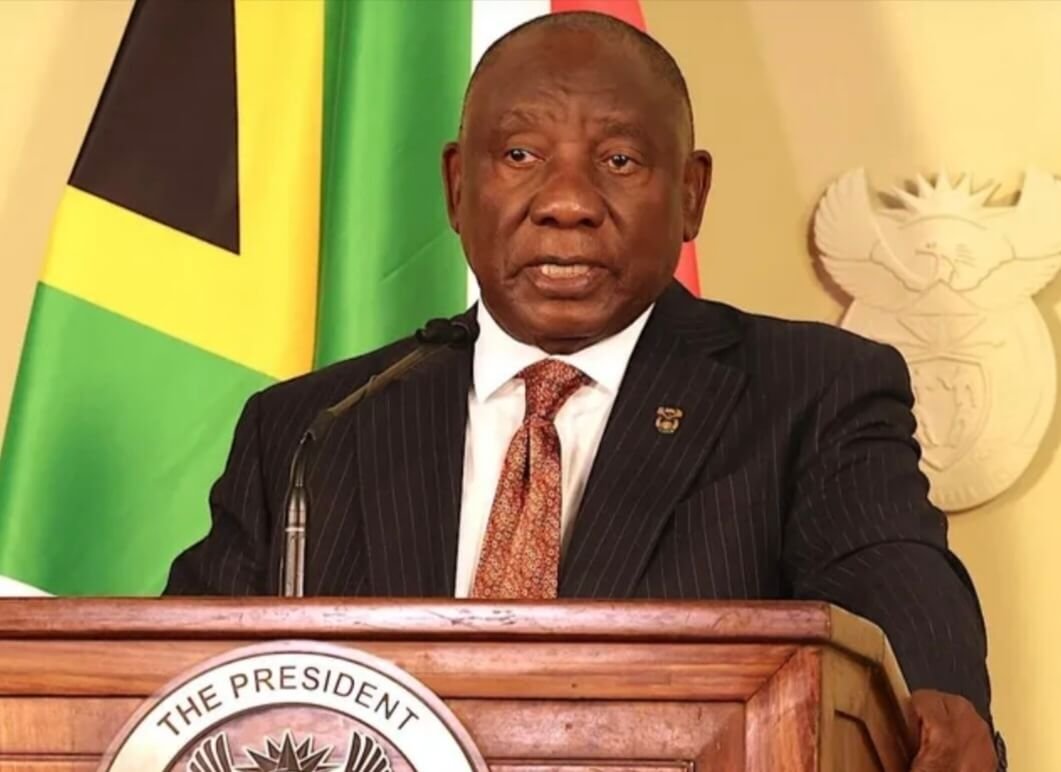
President Cyril Ramaphosa unveiled a new national plan to tackle illegal immigration on South Africa on Sunday, while warning that only authorised officials may enforce immigration laws.
Delivering an address titled “Managing Migration Together”, Ramaphosa outlined government’s approach to strengthening border management, improving immigration enforcement and addressing public concerns about undocumented migration.
The address comes months after growing concern over illegal immigration, pressure on public services, unemployment and border security. It also follows anti-immigration demonstrations in several communities and recent regional repatriation initiatives involving Ghana, Malawi and Nigeria.
The address also follows recent developments highlighted in NOWinSA’s coverage of migration tensions and regional repatriation efforts.
At the same time, Ramaphosa issued one of his strongest warnings yet against vigilantism and unlawful attempts by civilians to police immigration matters.
“I must make it clear that only the authorised government officials may act against violations of the law, including violation of our immigration laws.
No other person is allowed, for example, to confront someone in the street to demand proof of nationality.”
Addressing the nation during a broadcast monitored by NOWinSA, the president said South Africa can secure its borders and enforce immigration laws while remaining committed to constitutional values and human dignity.
What did Ramaphosa say about vigilante groups?
Ramaphosa said only authorised law enforcement officials may enforce immigration laws. He warned that civilians may not demand identity documents, block public services or intimidate people suspected of being undocumented migrants.
The president said government would act against individuals and organisations that use concerns about illegal immigration to promote violence, intimidation or political agendas.
As highlighted in the NOWinSA X post below, the president issued a direct ultimatum to groups trying to weaponise local anxieties for personal or criminal gain.
The president also warned against misinformation campaigns on social media, saying government would not be influenced by false narratives or online incitement.
His remarks follow months of public mobilisation around immigration issues, including last week’s anti-illegal migration march in Emalahleni.
Quick facts from Ramaphosa’s address
| What government rejects | What government supports |
|---|---|
| Vigilante enforcement | Rule of law |
| Demanding proof of nationality in the street | Authorised immigration enforcement |
| Blocking clinics, schools or hospitals | Access to public services |
| Violence and intimidation | Human dignity |
| Xenophobia and misinformation | Constitutional rights |
What South Africans cannot do under immigration laws
Ramaphosa drew a clear distinction between lawful immigration enforcement and unlawful civilian action.
According to the president, South Africans cannot:
- Demand documentation or proof of nationality from individuals in public spaces.
- Block access to clinics, hospitals, schools or other public facilities.
- Use violence, intimidation or threats against foreign nationals.
- Spread misinformation, incitement or fake news.
- Target people based on nationality, race or ethnicity.
He stressed that South Africa remains committed to the Constitution and that every person must be treated with dignity and respect.
The president reiterated that only authorised government officials may act against violations of immigration laws.
Illegal immigration concerns remain central to the debate
Ramaphosa acknowledged that concerns about illegal immigration, unemployment, crime and pressure on public services continue to dominate public discussion across South Africa.
He said many South Africans are asking legitimate questions about border security, jobs and the state’s ability to manage migration effectively.
“South Africans are raising these matters because they are concerned about pressure on public services.
“They are concerned about safety, security and the rule of law.
“These cconcerns are real. They seserve to be heard. They deserve to be addressed.”
The president also acknowledged weaknesses in the country’s migration system.
“There have been weaknesses in the way migration has been managed. There have been weaknesses in rigorous and focused enforcement. There have been instances of corruption. There have been gaps in our systems that have undermined public confidence.”
Critics question governmen’s delay
The address also prompted criticism from some South Africans who argued government should have acted sooner.
On Facebook, Phathiswa Tshangana questioned why systemic failures identified by the president were allowed to develop over time and what cost they had imposed on the country.
Journalist Redu Direko-Tlhabi argued that self-appointed immigration enforcers had been operating openly for years while authorities failed to intervene.
Writing on X, as shown in the thread below, she said the emergence of non-state actors carrying out their own forms of immigration enforcement reflected a prolonged absence of decisive state action.
Her comments echoed broader concerns that government is only now responding after public frustration over migration management reached a boiling point.
How government plans to tackle illegal immigration
A central part of government’s strategy involves stronger enforcement against undocumented migration and businesses that break immigration laws.
Ramaphosa announced plans to identify and deport undocumented foreign nationals, establish dedicated immigration courts, increase workplace inspections and recruit 10,000 additional labour inspectors.
Government also intends to increase penalties for employers who knowingly hire undocumented workers.
These measures align with provisions contained in the Immigration Act 13 of 2002, which seeks to ensure the employment of foreign nationals does not adversely affect labour standards or the rights of South African workers.
“Employers who knowingly hire undocumented workers and exploit their vulnerability are breaking the law.
“They undermine labour standards. They undermine fair competition. And they undermine opportunities for South Africans.”
How Ubuntu guides South Africa’s migration response
While announcing tougher immigration enforcement measures, Ramaphosa said South Africa should not abandon the constitutional values that underpin its democracy.
He rejected the idea that enforcing immigration laws and protecting human dignity are mutually exclusive.
“We reject the notion that we must tolerate illegal immigration.
“We can protect our borders while protecting human dignity.
“We can enforce our laws while upholding our Constitution.”
The president said every person who lives, works or operates a business in South Africa must do so lawfully, while the rights of all people must continue to be protected.
Regional cooperation remains part of the solution
Ramaphosa said migration cannot be addressed through enforcement measures alone.
South Africa will continue working through SADC, the African Union and bilateral partnerships to tackle conflict, instability and economic hardship that drive migration across the continent.
The president said government remains committed to pursuing long-term solutions alongside African partners.
This approach mirrors developments reported by NOWinSA in its coverage of the Nigeria voluntary repatriation programme and other regional migration initiatives.
Government now faces pressure to deliver
Ramaphosa concluded by saying government wants a South Africa where immigration laws are respected, businesses compete fairly and communities feel safe.
He said the country can address illegal immigration without resorting to violence, xenophobia or unlawful conduct.
“We can secure our communities while preserving the values of Ubuntu that define us as a people.”
Sunday’s address marks the clearest signal yet that government intends to combine tougher immigration enforcement with a crackdown on vigilantism.
The challenge now will be implementation. As pressure grows from communities demanding action, government will be judged on whether the measures announced translate into visible improvements in border management, immigration enforcement and public confidence.
Related Coverage: Ubuntu leadership during crisis response
ALSO READ: When South African art travels, the world listens