

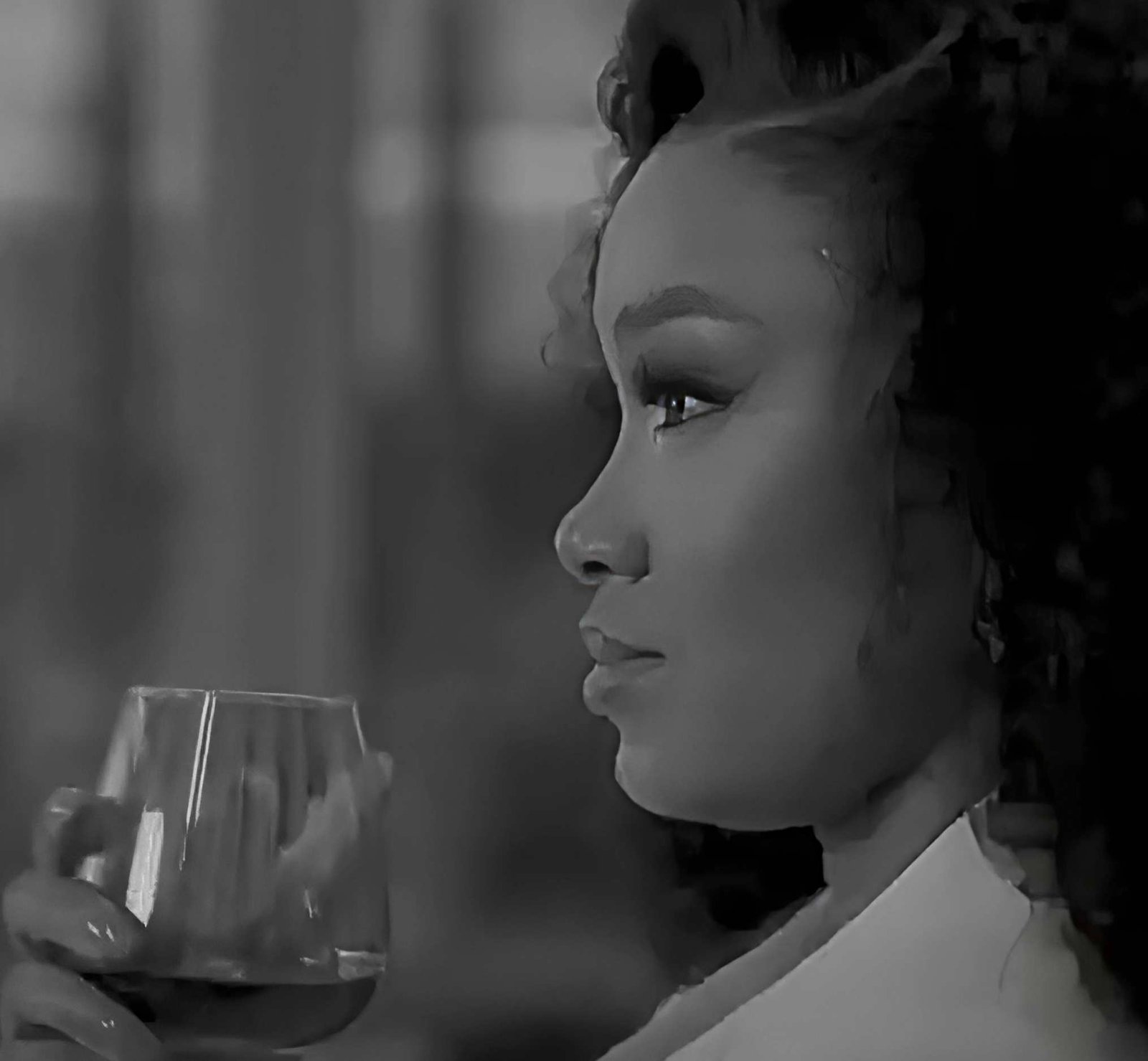
The Glenlivet SA and media personality and fashion designer Dineo Langa have apologised and removed a social media campaign linking Glenlivet whisky to the 1956 Women’s March.
The now-deleted post showed a woman toasting with Glenlivet while reflecting on the historic march. More than 20,000 women took part in the 1956 protest against apartheid pass laws at the Union Buildings in Pretoria.
Popular X user Noxolo Madonsela, as shown below, asked: “Am I the only one offended by this ad?
The campaign quickly drew criticism from historians, activists and the ANC.
Critics questioned the decision to associate alcohol with one of South Africa’s defining liberation moments.
Why the Glenlivet whisky advert sparked anger
Critics highlighted the history of alcohol as a tool of exploitation under apartheid.
The ANC made a similar argument in a statement issued on August 28.
“The use of this history to sell alcohol is particularly insensitive because it disconnects the legacy of these women from the lived experiences of communities that suffered under systems where alcohol was deliberately used as an instrument of exploitation and control,” the party said.
The statement cited the dop system, under which some farm and other workers were partly compensated with alcohol instead of fair wages.
Social media users also questioned the use of images associated with struggle figures.
One response called the campaign “Nonsense” and accused Glenlivet of trying to “cash in on the 70th anniversary”.
The user also argued that families and the estates of photographers could potentially challenge the use of historical images.
Another commentator described the campaign as “a special kind of consumerist hell”, adding: “Mam Sophie should sue them for control.”
A separate reaction questioned the decision to associate alcohol with the liberation struggle.
“Alcohol was used as a weapon to destabilise the black community and women too,” the user wrote, referring to accounts involving Winnie Madikizela-Mandela during her detention.
ANC condemns 1956 Women’s March campaign
The ANC has condemned the use of Winnie Madikizela-Mandela, Lilian Ngoyi and Sophie Williams-de Bruyn alongside the 1956 Women’s March to promote alcohol.
“The women of 1956 were not cultural props or marketing symbols,” the party said.
The ANC described the march as “one of the most defining acts of resistance against apartheid oppression”.
It said the legacy of the women who took part “must be protected from commercial exploitation”.
The party called on Glenlivet to withdraw the advert.
It also demanded an unequivocal public apology and a transparent explanation of how the campaign was conceptualised, developed and approved.
ANC national spokesperson Mahlengi Bhengu-Motsiri separately criticised the campaign.
“It is deeply disturbing to see The Glenlivet use Mama Winnie Madikizela-Mandela, Mama Lilian Ngoyi, Mama Sophie de Bruyn and the historic Women’s March to sell alcohol,” she said.
“Their legacies and sacrifices are not marketing props.”
Glenlivet and Dineo Langa apologise
Glenlivet and Langa subsequently removed the campaign.
“The Glenlivet and @therealdineo sincerely apologise for the recent social media post referencing the 1956 Women’s March,” their joint statement said.
“We recognise the concerns and offence caused by the post, and have removed it from our social media channels.”
Langa also issued a personal apology on X.
“I am sorry for the harm I have caused. I understand the gravity of this mistake and will be more mindful in future.”
The campaign has since been removed from the brands’ social media channels.
The backlash has also raised fresh questions about the commercial use of South Africa’s liberation history, particularly when brands draw on events and figures central to the anti-apartheid struggle.
The backlash has also raised fresh questions about the commercial use of South Africa’s liberation history, particularly when brands draw on events and figures central to the anti-apartheid struggle.
The debate comes as the legacy of other pivotal moments, including the 1976 Soweto Uprising, continues to shape conversations about resistance and social change.
South Africa’s liberation history remains deeply embedded in the country’s public memory.