


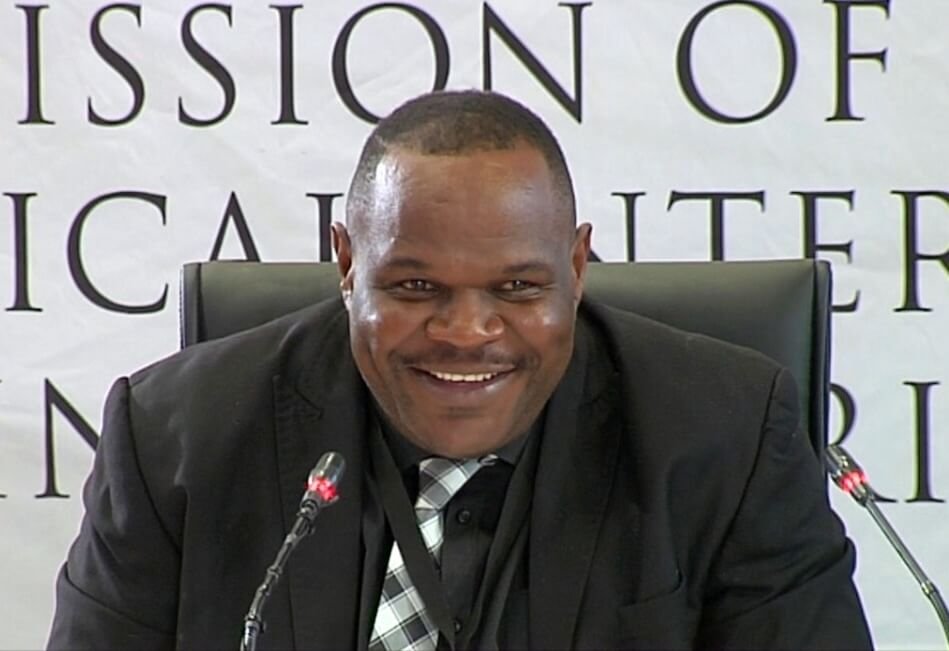
The South African Police Service (SAPS) faces fresh questions over accountability after Sergeant Fannie Nkosi resigned while in custody.
His exit comes just days after former deputy national commissioner Shadrack Sibiya also left the service amid criminal charges and disciplinary proceedings.
Nkosi, formerly attached to Gauteng’s organised crime unit, became a central figure in the Madlanga Commission’s investigation into alleged police-underworld dealings.
Police spokesperson Brigadier Athlenda Mathe confirmed on Saturday that SAPS had received his resignation letter.
“We have received the letter of his resignation,” Mathe said, adding that no decision had yet been taken on the matter.
Fannie Nkosi resigns ahead of disciplinary hearing
Nkosi submitted his resignation on Friday, October 23, ahead of an internal disciplinary hearing linked to alleged misconduct.
His legal troubles began escalating after police raided his Pretoria North home on April 2.
Officers reportedly seized firearms, ammunition, a hand grenade, official police case dockets and R52,700 in cash.
Nkosi remains in custody after the courts denied him bail.
He faces criminal charges including theft, fraud and defeating the ends of justice, alongside other allegations relating to firearms, explosives and the handling of police evidence.
In a separate matter, he is accused of fraudulently obtaining a police docket by allegedly posing as a senior officer and tampering with evidence.
The allegations have yet to be resolved through the courts.
Nkosi, Sibiya and alleged underworld links
MADLANGA COMMISSION
Read the allegations and evidence presented during Nkosi’s testimony
Nkosi’s testimony before the Madlanga Commission placed him at the centre of allegations involving senior police officials and suspected underworld figures, including businessman Vusimuzi “Cat” Matlala.
Matlala told the commission that Nkosi collected money for Sibiya, but declined to name names while recordings were under investigation.
The allegations have fuelled scrutiny of possible links between police officials and criminal networks, including those connected to the R360 million SAPS tender scandal involving Matlala.
The commission heard allegations about Nkosi’s contacts with suspected crime figures, his handling of sensitive police information and his alleged role as an intermediary between underworld figures and senior officers.
Sibiya resigned on October 12 as disciplinary proceedings against him began.
SAPS classified his departure as a dishonourable discharge because the disciplinary case was already under way.
He (Sibiya) remains in custody after the Randburg Magistrates’ Court denied him bail.
Sibiya faces separate criminal charges, including rape, sexual grooming of a minor and human trafficking.
He denies wrongdoing and remains presumed innocent unless proven guilty.
Two top cops exit as SAPS faces an accountability crisis
The back-to-back resignations raise uncomfortable questions about accountability in a police service entrusted with fighting organised crime and protecting the public.
The timing of both departures, amid disciplinary proceedings and criminal cases, has also sharpened scrutiny of how SAPS deals with allegations against its own members.
Following Sibiya’s bail denial, National Police Commissioner Fannie Masemola said filling the vacant post was a priority.
“We will be filling the post immediately; it is one of the priorities that I will be attending to now, and we will be filling it soon,” Masemola said.
The developments come amid wider upheaval in the Police Ministry, where allegations raised at the Madlanga Commission have intensified scrutiny of senior leadership.
Charges in police leadership and the appointment of an acting police minister have added to the pressure on the institution.
Resigning does not, by itself, erase criminal liability.
For the SAPS, the challenge now is to ensure that the cases proceed through the justice system and that allegations of police collusion with criminal networks receive proper scrutiny.
With two prominent officers gone from the service in less than a fortnight, restoring public confidence will require more than filling vacant posts.
It will require accountability and evidence that no one is above the law.