

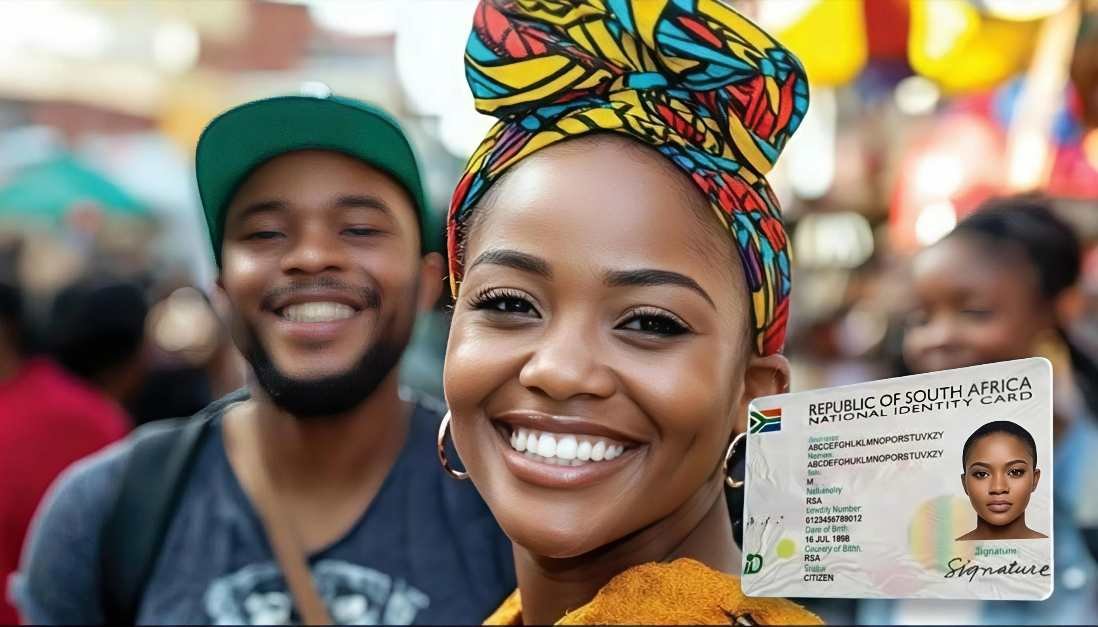
Home Affairs Minister Leon Schreiber has unveiled the first working prototype of South Africa’s new Digital ID system, offering a glimpse of how identity services could eventually move from Home Affairs branches to smartphones.
Schreiber demonstrated the system on October 1, 2026, at Constitution Hill in Johannesburg during the launch of the department’s “Quantum Leap” programme.
The programme aims to modernise identity, immigration and public service delivery.
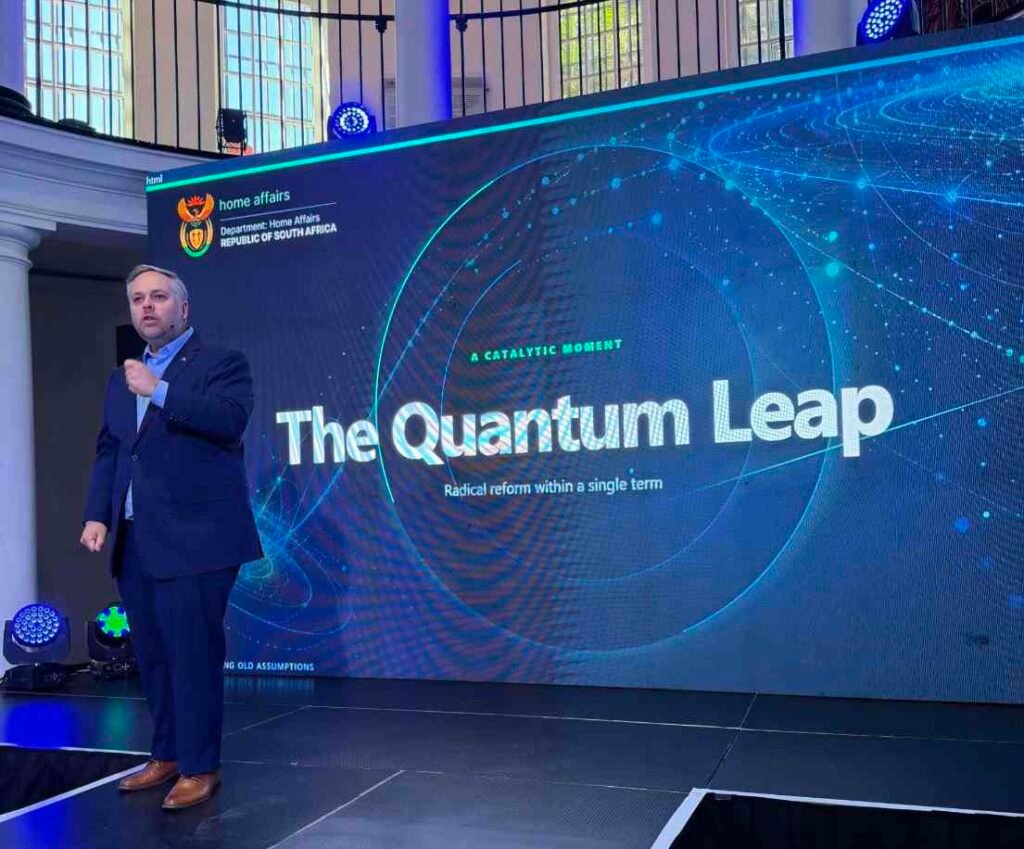
“Home Affairs is taking a quantum leap into the future!” Schreiber declared.
But the minister was quick to stress that this was more than a presentation.
“This is not some far-fetched promise. It is no longer hypothetical, it is reality.”
How South Africa’s Digital ID system works
Schreiber said the demonstration used a real working digital identity credential issued through the population register and securely linked to the smartphone he was using.
He also used his own personal information during the demonstration.
The Digital ID is designed to live on a smartphone through a digital wallet and operate alongside the physical Smart ID card.
That means the new system is not replacing the Smart ID immediately.
Instead, the Digital ID represents another stage in Home Affairs’ move towards digital identity services.
Your phone becomes the identity credential
The system links the user’s smartphone with biometric information held on the National Population Register.
During the demonstration, Schreiber used his thumb to confirm his identity. The application displayed his photograph, which he said had been verified against the population register.
The system is also designed to support biometric verification, including facial recognition.
That could eventually allow users to prove who they are without relying solely on a physical identity document.
For ordinary South Africans, the biggest potential change is convenience.
More Home Affairs, government and private-sector services could eventually be accessed without taking time off to visit a branch.
You control what information is shared
One of the most significant parts of the demonstration was the consent and privacy function.
A second phone running a verifier application requested information from Schreiber’s Digital ID.
His phone showed him what the verifier wanted.
He could then decide which information to share.
“I have the ability to select what I’m sharing,” Schreiber said.
He switched off his identity number but allowed other information to be shared because the demonstration was checking his citizenship.
The test then went further.
A second verification request was sent to the minister, who rejected it.
He denied access to his information from his phone.
The demonstration was designed to show that users can have a say in who accesses their information and what data they share.
Home Affairs from your couch
The bigger ambition is what Home Affairs calls “Home Affairs @ home”.
The department wants South Africans to complete more services remotely rather than travelling to a Home Affairs office.
A passport renewal provides one example of what that could eventually look like.
The system could notify a user months before a passport expires, pre-fill information already held by government, verify their identity using biometrics, process payment and arrange delivery.
That would cut down on paperwork and unnecessary trips to a branch.
The broader digital transformation is also intended to make government services easier to access through digital platforms and partnerships with banks.
What changes for South Africans?
What changes for South Africans?
The Digital ID would eventually affect much more than Home Affairs.
A secure digital credential would be used to verify identity for government and banking services, subject to the services and institutions that adopt the system.
It would also make it easier to confirm personal information without repeatedly submitting copies of physical documents.
The privacy element is equally important.
Instead of automatically handing over every piece of information on an identity document, the demonstration showed a system where users can see a request and decide what to approve.
That is a significant shift from simply producing an ID document whenever proof of identity is required.
The move also has implications for SASSA grant beneficiaries, particularly those who have previously relied on alternative forms of identification.
New SASSA ID rules introduced compulsory biometric enrolment and identity verification for clients using documents such as sworn affidavits or Home Affairs ID application slips.
The new Digital ID system would also make it easier for naturalised citizens to obtain recognised digital identification, addressing a limitation of the older identity system.
Digital ID could help fight identity fraud
Home Affairs also sees biometric identity verification as part of its response to identity theft and document fraud.
Physical documents can be manipulated or used fraudulently.
A biometric system adds another layer by checking whether the person presenting an identity credential matches information held on the population register.
The move away from the green barcoded ID book forms part of the same wider push towards more secure identity documents.
The phasing out of green ID books now has firm dates.
Green ID book deadline confirmed
Production of the green ID book will end on March 31, 2027.
The document will then stop being recognised as a valid identity document on March 31, 2028.
That gives existing holders a 12-month transition period to move to the Smart ID.
Schreiber said about 14.7 million South Africans currently hold only a green ID book.
The department has also said it will enable naturalised citizens, permanent residents and South Africans abroad to obtain Smart ID cards before the production deadline.
The green ID transition and the Digital ID rollout should not be confused.
The Smart ID is the immediate replacement for the green book. The Digital ID is the next stage of digital identity.
ALSO READ: Two South African banks to offer Smart ID services
Can you get the Digital ID now?
Not yet.
What Schreiber unveiled is a working prototype, not a public Digital ID service that South Africans can currently download and use for everyday transactions.
The physical Smart ID therefore remains the key identity document for now.
South Africans who still have green ID books do not need to wait for the Digital ID to replace them.
They can begin the process of switching to a Smart ID through the existing Home Affairs system and participating bank services.
Once you have applied, you can book a biometric appointment online where required.
The Digital ID demonstration nevertheless offers a clear picture of where Home Affairs is heading: identity verification that happens on your phone, more control over personal information and fewer reasons to stand in a Home Affairs queue.