

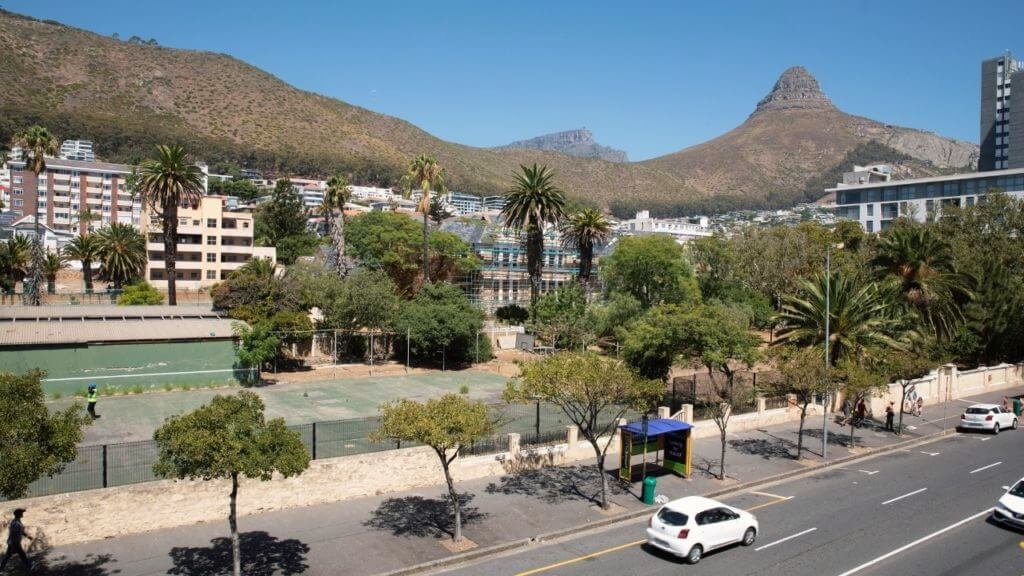
WESTERN CAPE — The Constitutional Court has ruled that the Western Cape government’s 2015 sale of the Tafelberg site in Sea Point was unlawful.
Judges found that both the province and the City of Cape Town failed in their constitutional duty to reverse apartheid-era spatial planning.
The ruling also raises fresh questions over the City’s recent public land sales, including the Good Hope Centre legal challenge.
Handed down on Thursday, 2 July 2026, the judgment sets aside the R135 million sale and gives the province three months to file a sworn report detailing its plans for affordable housing in the Cape Town CBD and Sea Point.
The court said government cannot rely on land shortages or soaring property values to avoid its constitutional obligation to provide housing close to jobs, schools and public transport.
It also found that the province’s public participation process before the sale amounted to a “hollow box-ticking exercise”.
Judges also struck down regulations under the Western Cape Land Administration Act, 1998 that allowed public participation only after a land sale had already been concluded.
Why the Tafelberg judgment matters
GOOD Party secretary-general and Cape Town mayoral candidate Brett Herron described the ruling as a victory for spatial justice.
“Location is not peripheral to housing access,” Herron said, adding that the judgment makes it clear government cannot treat location as an afterthought when delivering affordable housing.
“There is no justification for the City’s policies lacking geographical location considerations, and no justification for failing to provide housing in Sea Point.”
He also said the court’s order requiring government to disclose how many affordable homes it has delivered in the inner city since litigation began in 2017 could prove more damaging than political promises.
“The answer is zero.”
Herron added that the City’s claimed R1.7 billion rental housing programme is inconsistent with its published budget figures.
In a separate statement, the GOOD Party argued that the DA’s housing approach effectively expects people working in Sea Point to live in Khayelitsha or Kuils River while carrying the financial burden of long daily commutes.
Good Hope Centre sale faces renewed scrutiny
The ruling comes only months after the City proceeded with the sale of more than 50 publicly owned properties, including the 2.4-hectare Good Hope Centre precinct.
As NOWinSA previously reported in its coverage of Cape Town’s public land auction, civil society organisations and the GOOD Party challenged the disposal in court. They argued the City again prioritised selling valuable public land over expanding affordable housing opportunities.
The article also examined concerns that the auction failed to meet government’s constitutional duty to use well-located public land to address spatial inequality.
The latest Constitutional Court ruling now gives those concerns greater legal weight. It confirms that governments cannot rely on outdated consultation processes or market value alone when disposing of public land.
What happens next after the Constitutional Court ruling?
The Western Cape government must now submit a sworn report detailing its plans for affordable and social housing in Cape Town’s CBD and Sea Point.
The City also faces renewed scrutiny over the Good Hope Centre sale and its broader public land disposal programme.
More broadly, the judgment sets a significant legal precedent. Future governments will need to show how proposed land sales support constitutional housing obligations before disposing of valuable public land.