


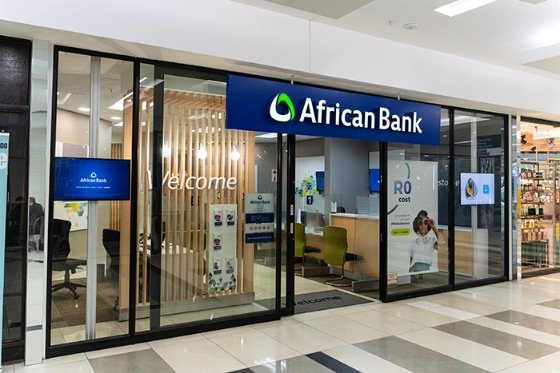
African Bank, which the South African Reserve Bank rescued more than a decade ago after it collapsed under reckless lending, is facing another major overhaul.
The lender confirmed on Thursday that it has entered the contemplation stage of Section 189A of the Labour Relations Act.
The process could affect 1,200 employees and lead to the closure of up to 90 branches.
“We have engaged with our relevant union, Sasbo, this morning,” the bank said, adding that it does not take the decision to retrench staff lightly.
African Bank retrenchments follow rising costs
The bank’s interim results, published on June 25, 2026, pointed to a strategy focused on operational consolidation.
African Bank told shareholders that costs exceed risk-adjusted revenue. It said it has been “focusing on reducing costs and increasing efficiencies across our full value chain, including IT, procurement, our lease agreement costs, and other operational costs.”
The lender said it will continue exploring alternatives to reduce costs and limit the impact on staff.
However, it has “reached a point where we have no other option but to review staff costs.”
Newly confirmed permanent CEO Zweli Manyathi led the process while serving as interim Group CEO. He said the move was necessary for the bank’s future.
“We understand that this is a difficult period for the business and our people. However, it is necessary for the future sustainability of the business,” he said.
African Bank says it remains financially sound
African Bank reassured customers and investors that it remains capitalised above minimum regulatory requirements and has adequate liquidity to meet its obligations.
The bank said it will manage the staff process “through a structured process and supported by our wellness partner.”
It also pledged to treat affected employees “with dignity and respect.”
Sasbo and Cosatu oppose African Bank job cuts
Sasbo, the finance union, condemned the manner and timing of the announcement.
The union said African Bank went public before properly engaging its recognised employee representative.
“Retrenchments are not merely a business exercise; they have profound consequences for workers,” Sasbo said.
Cosatu, of which Sasbo has been a direct affiliate since 1995, backed the union’s position.
Citing South Africa’s 43.7% unemployment rate, the federation said it “cannot afford to lose a single job” and vowed to do everything in its power to save all 1,200 positions.
Cosatu has also called on the South African Reserve Bank, as African Bank’s main shareholder, and the Department of Employment and Labour to intervene.
The bank’s half-year financial results showed a net after-tax loss of R624 million, reversing a prior profit of R202 million.
The loss came as African Bank absorbed the costs of a two-year acquisition drive.