

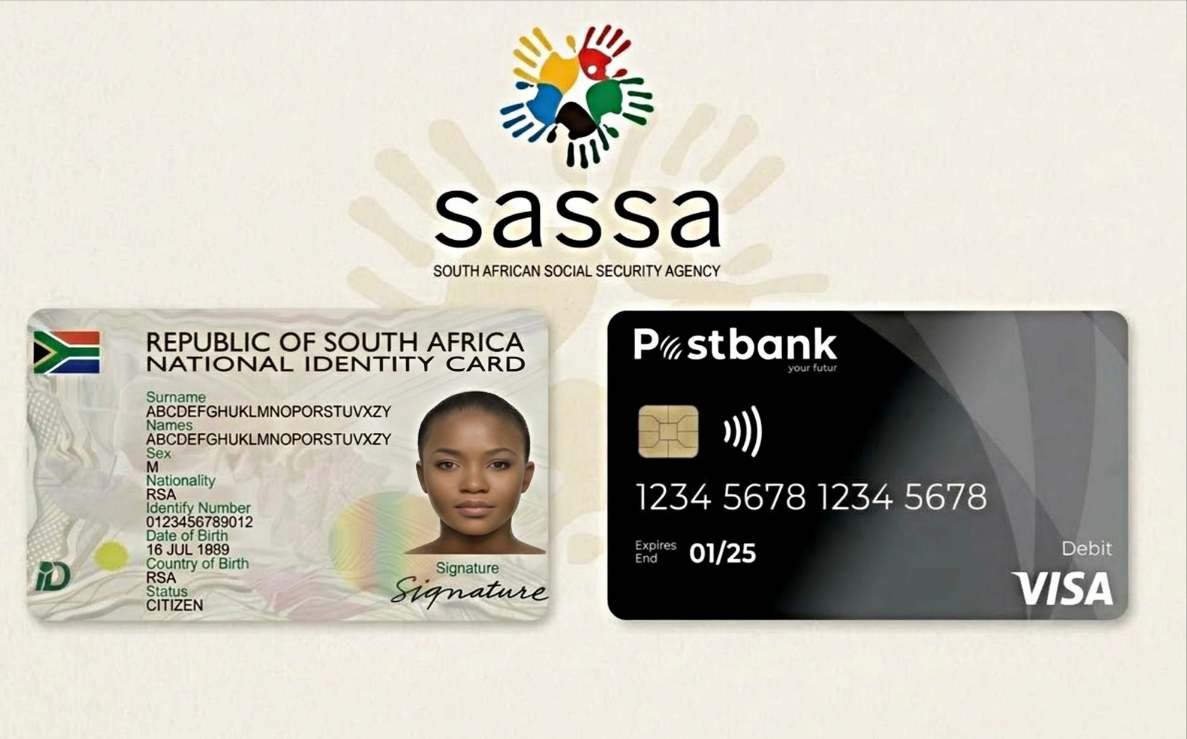
SASSA can now verify identity information against Home Affairs records in less than a second, thanks to the upgraded verification service linked to the National Population Register.
SASSA is among the government users of the system, which was already returning results in under a second before Home Affairs unveiled its new Digital ID prototype.
The development takes on added importance as the new Digital ID system moves Home Affairs further towards biometric and digital identity verification.
The change also comes while the SASSA grant review continues, making accurate identity and eligibility information increasingly important.
Faster SASSA identity checks
Home Affairs’ upgraded verification service was introduced after the previous system experienced serious reliability problems.
The department said more than half of verification attempts had previously failed. The upgraded service reduced the failure rate to below 1% and began returning results in less than a second.
For SASSA, faster verification can help reduce delays when beneficiary information needs to be checked against official records.
It also strengthens the system’s ability to detect identity discrepancies and potential fraud.
ALSO READ: Two South African banks offering Smart ID services
Why identity verification matters
SASSA needs to establish that applicants and beneficiaries are who they claim to be.
The agency has already tightened biometric requirements for people using alternative forms of identification.
New SASSA ID rules introduced compulsory biometric enrolment and identity verification for clients using documents such as sworn affidavits or Home Affairs ID application slips.
These checks can include fingerprints and facial recognition.
A failed verification does not automatically mean a grant is lost. But where identity information cannot be confirmed, the beneficiary may need to complete additional verification before the issue is resolved.
Why the green ID book matters
Home Affairs has now set firm deadlines for the old green ID book.
Production will end on March 31, 2027, while the document will no longer be recognised as a valid identity document from March 31, 2028.
Schreiber said about 14.7 million South Africans still hold only a green ID book.
“The continued use of the green ID book is irreconcilable with the functioning of a modern society,” Schreiber said.
The phasing out of green ID books means beneficiaries who still use the old document should plan their move to a Smart ID before the final deadline.
Home Affairs Deputy Director-General Tulani Mavuso has also stressed the importance of upgrading, saying a Smart ID “is going to be the only legal document that you can use in terms of transactions, particularly with financial institutions and others”.
What SASSA beneficiaries should do now
1. Apply for a Smart ID.
If you still have a green ID book, start the switch before the final deadline rather than waiting for demand to increase.
2. Complete biometric verification when required.
If SASSA asks you to complete an identity or biometric check, respond promptly. You can also visit a SASSA office if you need assistance.
3. Keep your cellphone number active.
Make sure the number linked to your SASSA records remains accessible so you can receive verification messages and other important communication.
4. Check your identity details.
Make sure your personal information is correctly recorded with Home Affairs and SASSA. Errors can complicate identity verification.
5. Respond to verification requests.
If SASSA asks you to verify your identity or complete an e-Life Certification, respond within the required timeframe to avoid delays with your grant.
See when SASSA e-Life Certification can be triggered for more information.
6. Use official SASSA channels.
You can access the SASSA online services portal for available digital services and application-related support.
Smart ID applications move closer to home
Beneficiaries who need to replace a green ID book can also use Home Affairs’ expanding bank partnership network.
Applicants can check participating partner branches and available Smart ID services through My Home Affairs Online.
The process involves completing the application, visiting a participating branch for identity verification and biometric capture, and then waiting for Home Affairs to process and produce the card.
For SASSA beneficiaries, the message is straightforward: faster identity checks make accurate records more important, not less.
Getting your documents in order before the green ID deadline can help you avoid being caught unprepared when further verification is required.