

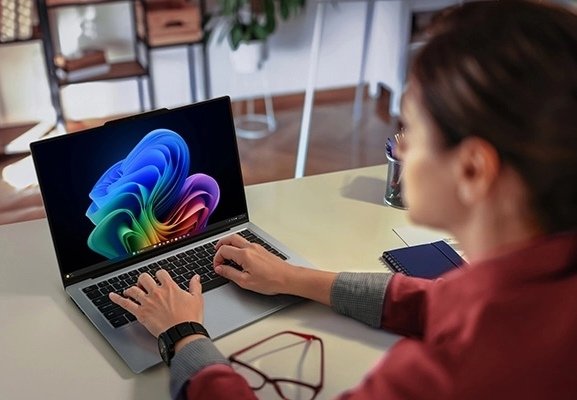
South African businesses are investing heavily in artificial intelligence, but many still face familiar challenges, including unreliable connectivity, cloud latency and rising computing costs.
The new Lenovo ThinkPad X9 Aura Edition aims to address those challenges by shifting AI processing from the cloud onto the device itself.
As Lenovo’s latest Copilot+ PC South Africa launch, it combines dedicated AI hardware with next-generation wireless connectivity for businesses embracing hybrid work.
Lenovo ThinkPad X9 Aura Edition brings on-device AI closer
At the heart of the laptop is a dedicated Neural Processing Unit (NPU) capable of delivering up to 48 TOPS (trillion operations per second).
Combined with up to 32GB LPDDR5X memory running at 8533MHz, the system is designed to process many AI tasks locally instead of relying on remote cloud servers.
That matters because every workload completed on the device reduces the need to send data across the internet.
For organisations managing AI costs, faster local processing could also improve efficiency while reducing cloud usage.
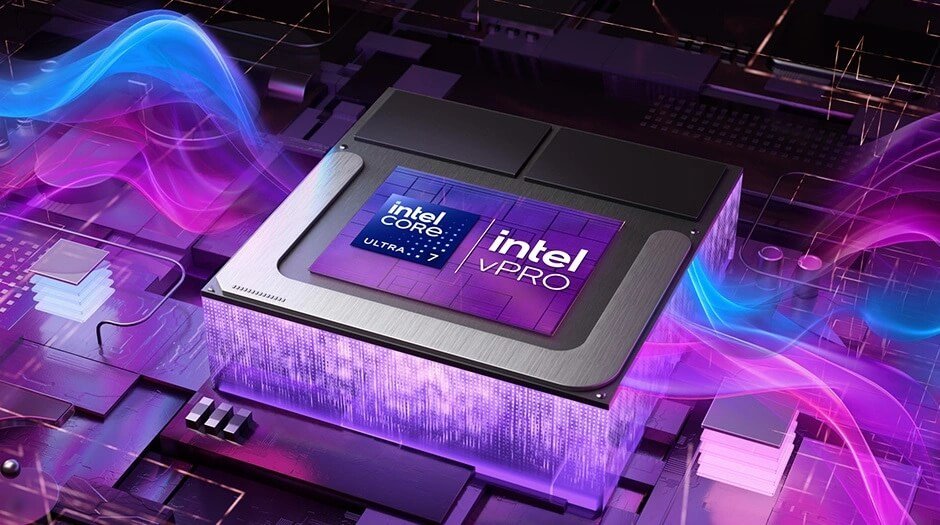
Wi-Fi 7 support helps reduce latency
Cloud computing remains essential for many AI workloads, but every request still depends on network performance.
By processing supported Copilot+ features directly on the NPU, the Lenovo ThinkPad X9 Aura Edition reduces the delay associated with sending information to remote servers and waiting for a response.
For workloads that still require cloud services, Lenovo has equipped the laptop with Wi-Fi 7, offering greater bandwidth and lower latency than previous wireless standards.
The timing also aligns with an important regulatory development in South Africa.
In May 2026, ICASA gazetted its innovation spectrum regulations, opening the lower 6GHz band for wireless technologies capable of delivering speeds of up to 800Mbps.
According to WAPA chair Paul Colmer, the move represents one of the regulator’s most significant connectivity decisions in recent years and creates the conditions needed for wider Wi-Fi 7 laptop adoption.
The ThinkPad X9 Aura Edition includes an Intel Wi-Fi 7 BE201 wireless card as standard. Compatible Wi-Fi 7 routers are already available from retailers including Evetech, Incredible and iStore.
Also read: Why SA artists need stronger AI protections — how local musicians are increasingly appearing in AI training datasets without consent.
Hybrid work features built for South African businesses
Beyond its AI hardware, Lenovo has focused on tools aimed at organisations with remote and hybrid workforces.
Shield Mode automatically detects potential shoulder surfers and blurs sensitive information on the screen.
Collaboration Mode adjusts lighting and background settings before video meetings begin, helping users present themselves more clearly during online calls.
Other productivity features include Attention Mode, which blocks distracting websites, and Wellness Mode, which encourages healthier screen habits and posture.
The laptop also includes Power Mode, which automatically balances battery life and performance, while Smart Share simplifies file transfers between supported smartphones and the laptop.
Pricing and availability
The Lenovo ThinkPad X9 Aura Edition is available directly from Lenovo South Africa from R38,999.
Positioned as a premium business laptop, it targets organisations looking to run AI workloads locally while benefiting from next-generation connectivity, enterprise-grade security and AI-powered productivity features.
Why Lenovo is investing in hybrid AI
The ThinkPad X9 Aura Edition arrives shortly after Lenovo’s Accelerate 2026 Southern Africa summit, where the company reported AI-related revenue growth of 84% year on year, with AI now contributing 38% of total group revenue.
Southern Africa also recorded double-digit growth, underscoring rising enterprise investment in AI infrastructure.
Southern Africa General Manager Yugen Naidoo said the regional growth reflects more than growing interest in artificial intelligence.
“Our growth in infrastructure and services across Southern Africa indicates that organisations are actively laying the physical and operational foundations required to operationalise AI. This transition is built entirely on localised collaboration and deep ecosystem trust,” Naidoo said.
Lenovo CTO and ISG Leader for the Middle East and Africa, Chadie Ghadie, said successful AI adoption depends on solving practical infrastructure challenges rather than simply deploying new software.
“Successful enterprise transformation is intrinsically outcome-driven. To move AI from the cloud to the edge, we must solve real-world physical constraints. This requires matching localised data processing with infrastructure optimised for efficiency and security,” Ghadie said during a technical session on hybrid systems.
Against that backdrop, the ThinkPad X9 Aura Edition looks less like a standalone product launch and more like Lenovo’s hybrid AI strategy brought to market through a device designed for everyday business use.
It also continues a pattern. Lenovo has spent years building laptops for hybrid work, and the same design philosophy now extends across its wider portfolio, including the Legion Go 2 handheld gaming device launched last year.
Whether the Lenovo ThinkPad X9 Aura Edition ultimately delivers on its promises in daily use will only become clear with hands-on testing.
For now, its combination of on-device AI, Wi-Fi 7 connectivity and hybrid work features makes the ThinkPad X9 Aura Edition a compelling option for South African businesses looking to reduce cloud dependence while expanding their AI capabilities.
Stay up to date with the latest technology news, reviews and product launches by visiting the NOWinSA Techdesk. Stories Shaping South Africa Today!