


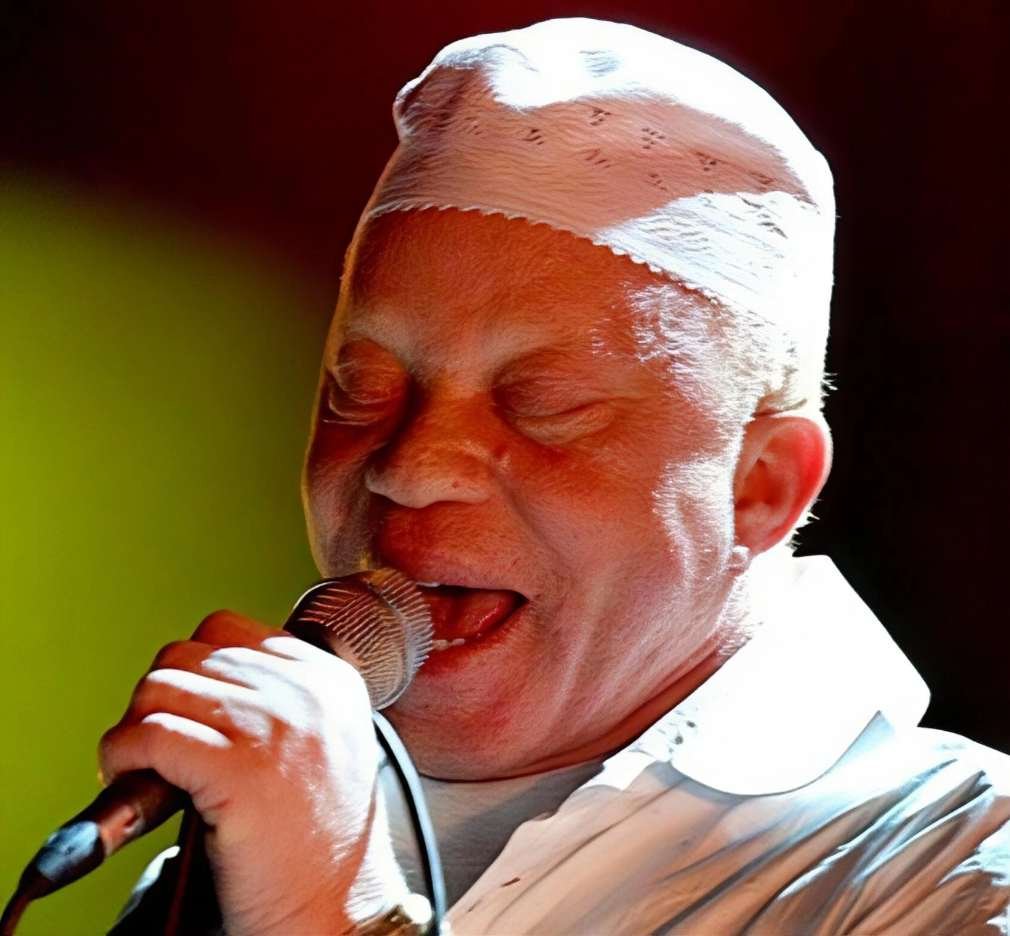
Legendary Malian musician Salif Keita has cancelled all his upcoming commercial performances in South Africa, citing rising xenophobic violence against African migrants.
The announcement comes just weeks after anti-immigration protests that cost taxpayers an estimated R600 million and amid growing scrutiny of the government’s migration tensions with neighbouring countries.
Keita’s decision also comes as South Africa’s music scene continues to reflect the wider debate around migration and the treatment of foreign nationals.
Salif Keita speaks out on xenophobia
Known as the Golden Voice of Africa, Keita announced his decision in an open letter addressed to his “brothers and sisters” in South Africa.
He made it clear that cancelling his concerts was not a rejection of ordinary South Africans. Instead, he said it was a response to the treatment of African migrants seeking work, safety and dignity in the country.
“I close the door on hate,” Keita wrote, while expressing hope for an Africa where people can live without fear.
The Malian star acknowledged the economic hardships facing many South Africans. But he argued that those frustrations should never become a weapon against fellow Africans.
He also pointed to Africa’s colonial history, reminding readers that the continent’s borders were drawn by colonial powers and should not override a shared sense of humanity.
Salif Keita and South Africa’s liberation history
Keita’s relationship with South Africa stretches back decades.
In 1988, he was among the international artists who performed at the Nelson Mandela 70th Birthday Tribute concert at Wembley Stadium. The landmark event helped draw global attention to the anti-apartheid struggle.
That history now sits at the heart of Keita’s decision.
He said the same conscience that pushed him to oppose apartheid is what now compels him to step away from commercial stages in South Africa.
But Keita has not closed the door on the country altogether.
The singer said he remains willing to perform in non-commercial spaces, including townships, where music can help encourage dialogue, healing and the spirit of ubuntu.
He also expressed hope that he can return to South Africa when solidarity and peace prevail.
Repatriation efforts add to migration tensions
Keita’s cancellation comes against a tense backdrop of repatriation efforts involving undocumented nationals from several African countries.
Government-led repatriation programmeinvolving Ghana have faced scrutiny, while wider regional efforts involving Nigeria and Malaw have kept migration high on South Africa’s political agenda.
The issue has also been accompanied by anti-immigration protests, adding to concerns about xenophobia and the treatment of African migrants in South Africa.
For Keita, who has spent more than five decades championing African identity and human rights, the developments have made his position clear.
His decision puts a prominent cultural voice behind calls for pan-African unity at a time when South Africa’s approach to migration is facing increasing attention.
Fans hoping to see Keita perform outside South Africa can still check his performance schedule for upcoming dates.