

Kigali, Rwanda — Africa has the talent, the market, and the momentum. What it still struggles to retain is the investment behind them.
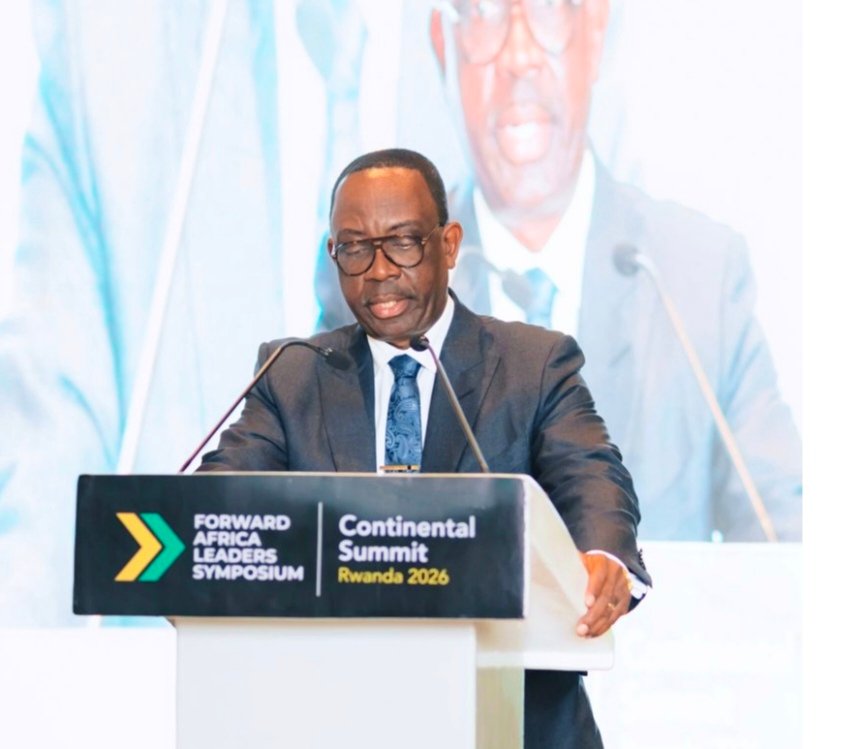
That was the core message from KGL Group Executive Chairman Alex Dadey during the 2026 Forward Africa Leaders Symposium (FALS) held in Kigali.
Dadey urged African governments to deliberately build investor-friendly ecosystems that attract and grow local business champions — companies with the scale and ambition to redirect capital into digital infrastructure across the continent.
Without that strategic shift, he warned, Africa will continue losing investment, talent, and opportunity to markets outside the continent.
“We must make it more attractive to invest in African digital infrastructure than to export African capital,” said Forbes Best of Africa Corporate Leadership Award-winninbusinessman and philanthropist.
Africa’s digital economy faces a defining moment
The continental digital economy is moving quickly. Artificial intelligence, digital finance, sovereign data systems, and advanced technologies are already reshaping global competitiveness.
The 2026 FALS summit brought together public and private sector leaders to discuss how Africa can strengthen its digital future and compete in the global AI economy.
The high-level gathering built on earlier discussions held at the NASDAQ in New York City during the 2025 symposium.
FALS Executive Director Hannah Awuku said Africa must stop thinking of itself as a passive player in the global technology transition.
“Africa must not simply participate in this transition. Africa must shape it,” she said.
That idea — participation versus ownership — shaped much of the summit’s discussions.
While Africa has already produced remarkable digital innovation across various sectors, much of the infrastructure, funding, and governance supporting that growth still sits outside the continent.
Organisers said closing that gap could define Africa’s next development decade.
🔗 ALSO READ: South African teacher wins prestigious US Tech award for robotics innovation
How KGL Group is driving digital innovation
Dadey pointed to KGL’s operational footprint across West Africa as a prime example of how African companies can drive digital transformation at scale.
Through its specialised subsidiaries, KGL Technology Ltd, Keed Ghana Ltd, and KGL Capital Ltd, the group has successfully modernised public revenue systems, built robust fintech infrastructure, and strengthened local innovation ecosystems through strategic funding and acquisitions.
Its most visible achievement remains the complete digitisation of Ghana’s National Lottery Authority. The. Ambitious project successfully transformed a legacy, paper-based industry into a secure digital platform that vastly improved accessibility and strengthen revenue collection. It is no surprise that the project earned KGL Technology top ‘innovation’ honours at the Ghana Club 100 awards.
The group’s fintech expansion into Côte d’Ivoire and Nigeria has similarly focused on improving financial inclusion for citizens long excluded from traditional banking systems.
For Dadey, KGL’s growth story is less about corporate recognition and more about proving what becomes possible when governments, investors, and businesses work in lockstep.
Pushing for digital ownership, not just inclusion
The African Peer Review Mechanism (APRM), an African Union institution and key summit partner, brought a critical governance lens to the conversation.
The Chief Executive Officer of the APRM Continental Secretariat, Marie-Antoinette Rose Quatre, said African countries must move beyond basic digital access and focus on long-term digital asset ownership.
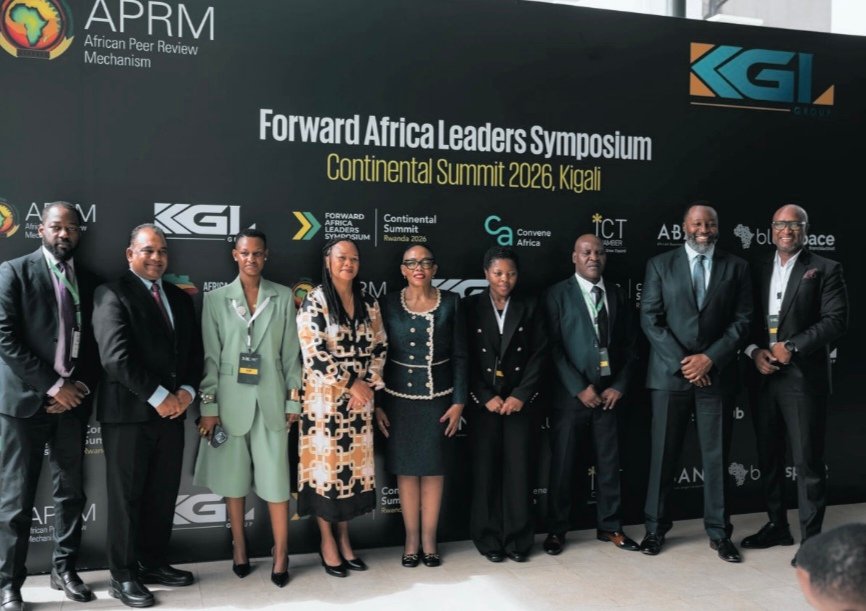
“With global tech rapidly shifting, Africa must think beyond digital inclusion to digital ownership of the technology we depend on,” Rose Quatre stated. “This includes ownership of our data, digital infrastructure, innovation ecosystems, and the policies and governance systems that will power the next wave of economic growth.”
Her comments reinforced one of the summit’s central themes: inclusion simply means more Africans using digital tools, whereas ownership means Africans building, governing, and profiting from them.
Addressing the infrastructure gap
Despite the growing pool of STEM talent strengthening the continent’s innovation ambitions, speakers agreed that human capital alone is not enough.
Policy certainty, regional infrastructure coordination, and targeted incentives remain critical hurdles.
Summit organisers acknowledged that fragmented regional policies, uneven digital capabilities, and siloed investments continue to slow down integration across borders.
However, delegates noted that the urgency around solving these friction points has grown sharply as global markets lean into automated economies.
The actionable insights and policy roadmaps emerging from the 2026 FALS summit are expected to feed directly into long-term development planning frameworks across the continent.
Dadey’s parting message to African leaders focused on a clear business case: align market incentives, protect local innovation, and build digital infrastructure that keeps African capital working within African markets.
To explore the group’s full continental footprint, strategic investments, and division layout, visit the KGL Group organisations portal.