

Timeline: how the Morita Forestry scheme unfolded
- April 2024: Planning begins — the first messages appear in the operation’s Telegram channel, more than a year before any public launch
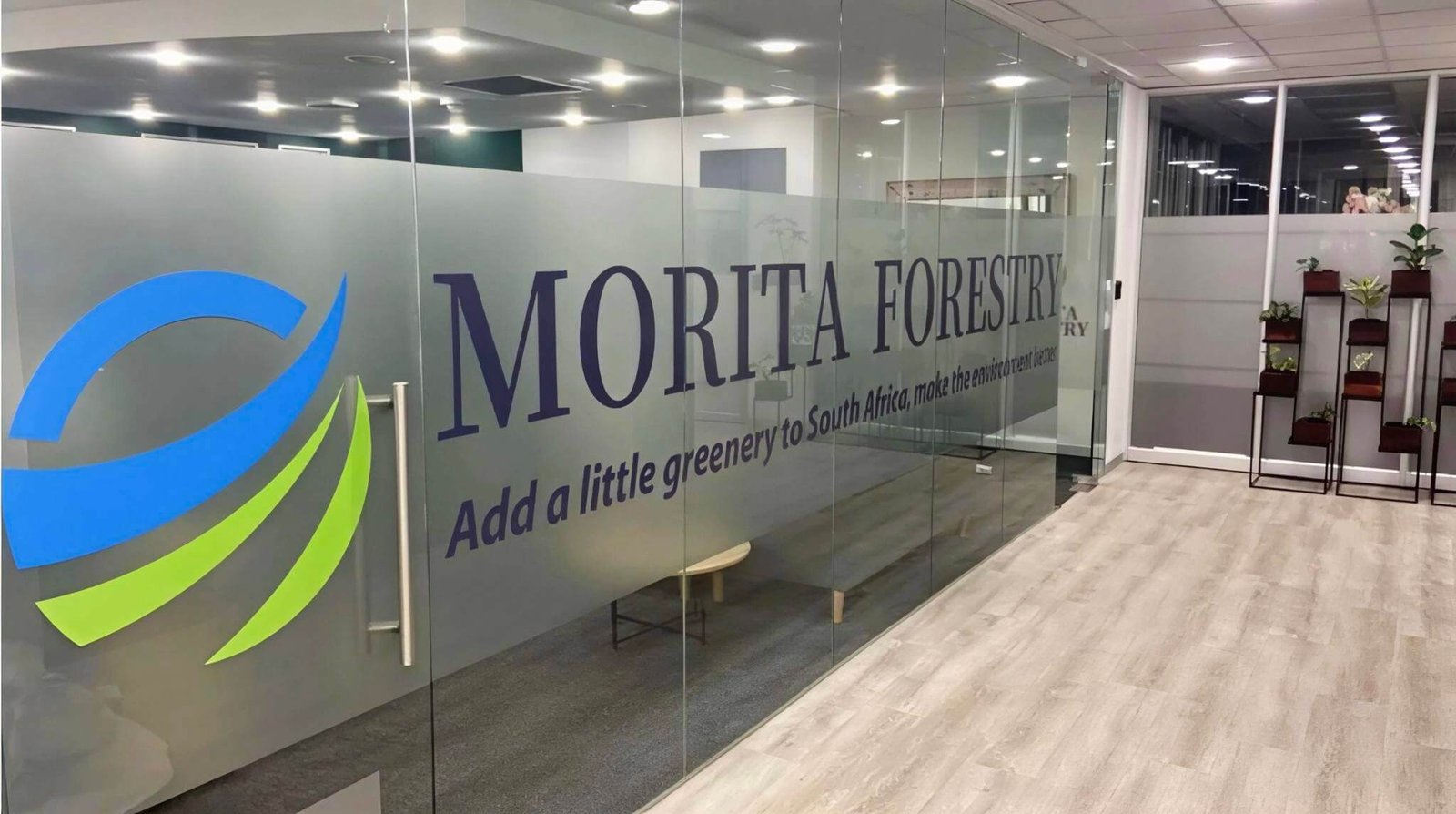
- July 2025: Morita Forestry Environmental Friendly is officially incorporated in South Africa.
- August 2025: Public marketing accelerates sharply, jumping from occasional Telegram posts to more than 30 messages in a month as recruitment ramps up on WhatsApp and via a wave of TikTok content creators
- November 2025: Director Simon Aphane resigns; Puleng Violet Phakisi takes over, and the company’s registered address shifts to Sandhurst, Johannesburg
- Early to mid-2026: The platform heavily markets fake US woodland and carbon credit packages, drawing hundreds of thousands of sign-ups
- July 24, 2026: Withdrawals stop processing
- July 29, 2026: The platform effectively shuts down, locking members out
- August 2, 2026: DFFE issues a statement distancing itself from the scheme
Morita Forestry has left thousands of South Africans out of pocket after the platform stopped paying withdrawals this week.

The company, registered in Sandton with a Colorado address, is accused of running a pyramid scheme disguised as a woodland investment fund.
Losses could run close to half a billion rand, and possibly more.
GroundUp’s tracing of the scheme’s cryptocurrency wallets found one wallet alone received close to R58 million in a single week, feeding into a network of 29 wallets holding over R338 million between them, figures that don’t account for the platform’s earlier months of operation.
Members who lost money have described feeling suicidal on social media. One member, known to NOWinSA, said she did her own checks before investing and came away convinced the platform was above board.
“I saw they had worked with SAPS and the Department of Forestry, so I believed it was legit,” she said.
She now says she acted in haste. “I feel played. I wish I hadn’t rushed into it, because that was money set aside for our household expenses.”
How the Morita Forestry pyramid scheme worked

The pitch was simple: invest in a woodland project in the United States and collect a daily payout.
Packages started at R350 and ran up to R165,000, with promised returns as high as twelve times the original stake.
Social media influencers, including the platform’s local director, Puleng Violet Phakisi, drove sign-ups and were paid for every new recruit.

Early investors were paid out to build trust, a pattern typical of pyramid schemes, before the platform quietly stopped honouring withdrawals from Friday, July 24.

Banks split on flagging Morita Forestry deposits
Not every bank treated the deposits the same way.
Members trying to pay into the scheme’s carbon credit trading round, which required an R8,700 stake, found that Nedbank and Capitec routinely flagged and blocked the transfers as suspicious.
Our source had a Nedbank payment stopped for exactly this reason. Standard Bank and FNB, by contrast, let the same payment through without a warning.
This isn’t a claim that Standard Bank is careless with fraud checks generally; the bank has previously issued its own alert on card fraud and WhatsApp scams, and inconsistent flagging is common across the industry when a scheme is new.
As the scheme unravelled, its administrators sent members a stream of messages blaming “financial audits” and banking delays for the missing payouts, promises that were never kept.
Independent investigation flagged Morita Forestry as high risk
Morita Forestry had posted its CIPC registration documents on social media to prove it was legitimate.
Likewise, The Civic Times confirmed the South African entity is indeed registered — but found no independent evidence of the timber harvesting, carbon credit programmes, or environmental permits the company cited to justify its returns.
It also could not confirm any formal link between the South African business and a similarly named company registered in Colorado in 2019, despite Morita Forestry’s own marketing pointing to that history.
Government distances itself from Morita Forestry
The Department of Forestry, Fisheries and the Environment (DFFE) confirmed it took part in a tree-planting event with Morita Forestry through the One Million Trees Programme, where the company donated roughly 300 trees.
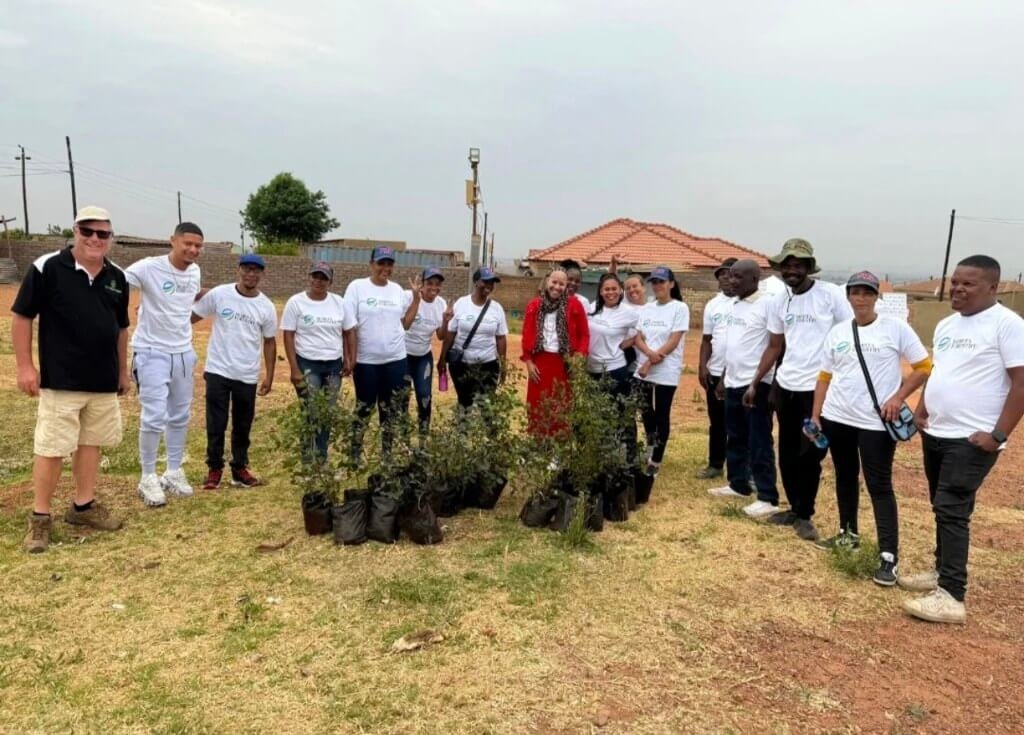
But the department has now moved to separate itself from the fallout. In an official statement sent to NOWinSA, DFFE said it has “no formal or official relationship with a company known as Morita Forestry.”
The department added that it will assess whether the company used the tree-planting event to appear legitimate while allegedly running the scheme.
“The Department will also consider all legally available options regarding the apparent unauthorised use of its name, programmes and officials to advance the interests of the company,” the statement read in part.
South African Police Service members also appeared at Morita Forestry training sessions and tree-planting events, lending the platform further credibility with members before it collapsed.

What to do if you paid into Morita Forestry
The company’s website, moritaforestry.com, is no longer reachable.
Anyone who deposited money should avoid paying any further “unlock” or verification fee, since these are hallmarks of the same scam repeating itself.
Report the receiving bank account to your bank’s fraud department, open a case at your nearest police station, and flag the scheme to the Financial Sector Conduct Authority.
Fixed daily returns, invite-only sign-ups, and pressure to recruit new members remain the clearest warning signs of a pyramid scheme, whatever product it claims to be selling.
Related
SASSA warns older persons and the elderly about a circulating social grant hoax